


Winter Hand and Feet Pain, Numbness & Tingling: 7 Causes, Symptoms, Treatment and Prevention
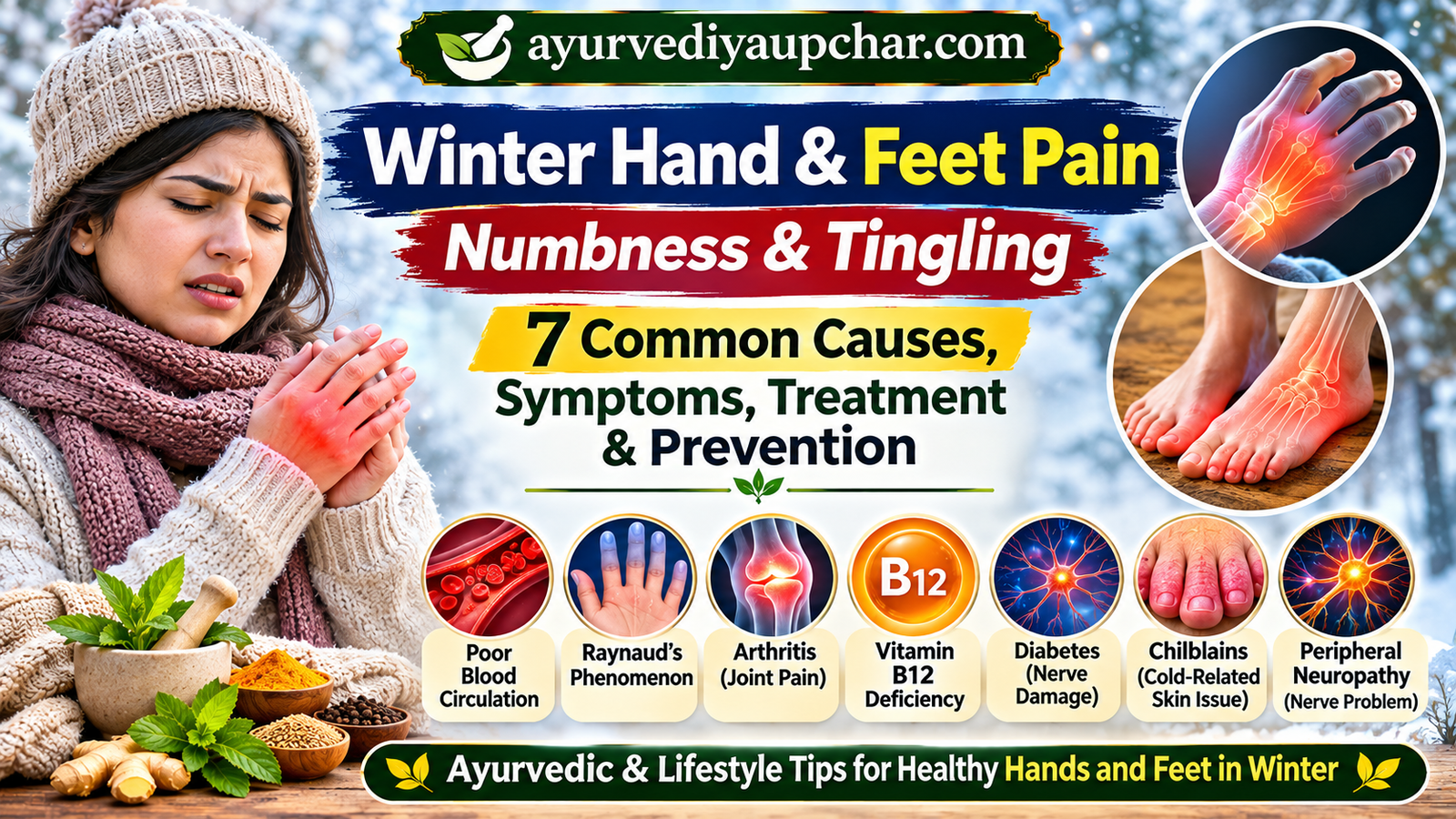
Winter Hand and Feet Pain: Why Do Your Hands and Feet Hurt, Feel Numb or Tingle in Cold Weather?
Winter brings cold temperatures, shorter days and changes in daily routines. While many people enjoy the winter season, others experience uncomfortable symptoms such as hand pain, foot pain, joint stiffness, numbness, tingling and burning sensations.
Have you ever noticed that your fingers become unusually cold, your toes feel numb, or your hands become stiff when you wake up on a winter morning? These symptoms may sometimes be related to normal responses to cold weather. However, persistent or recurring discomfort can also indicate an underlying health condition.
Several factors can contribute to winter-related hand and foot problems, including reduced blood flow, Raynaud's phenomenon, chilblains, arthritis, peripheral neuropathy, vitamin B12 deficiency and diabetes-related nerve damage.
Understanding the possible causes is the first step towards managing these symptoms safely.
In this article, we will explore seven common reasons for hand and feet pain during winter, their symptoms, treatment options, natural lifestyle measures, prevention tips and warning signs that should never be ignored.
1. Why Do Hand and Feet Pain Increase During Winter?
Cold weather can affect the blood vessels, muscles, joints and nerves. When temperatures drop, the body tries to conserve heat by narrowing blood vessels near the skin. This process is called vasoconstriction.
As a result, less warm blood reaches the fingers and toes, making them feel colder.
Some people may also experience increased joint stiffness and reduced physical activity during winter. Those who already have arthritis, circulation problems or nerve conditions may notice more discomfort.
Common winter symptoms include:
Pain in fingers, hands and toes.
Numbness in the hands and feet.
Tingling or pins-and-needles sensations.
Burning sensations in the feet.
Stiffness in the fingers and knees.
Swelling or itching around the toes.
Difficulty moving fingers after exposure to cold.
Cold hands and feet even indoors.
Occasional coldness is usually not a reason to worry. However, frequent numbness, persistent pain or changes in skin colour should be medically evaluated.
2. Seven Common Causes of Hand and Feet Pain in Winter
Cause 1: Reduced Blood Circulation
One of the common reasons for cold hands and feet during winter is the narrowing of blood vessels in response to low temperatures.
When the body is exposed to cold, blood vessels near the skin become narrower to conserve heat around vital organs.
This natural response can make the fingers and toes feel colder than other parts of the body.
Common symptoms:
Cold fingers and toes.
Temporary numbness.
Tingling sensations.
Pale or bluish skin.
Discomfort when exposed to cold air.
In some people, circulation problems may be related to an underlying vascular condition rather than temperature alone.
Peripheral artery disease (PAD), for example, occurs when narrowed arteries reduce blood flow, particularly to the legs and feet.
People with diabetes, high cholesterol, high blood pressure and a history of smoking may have an increased risk of vascular problems.
What can help?
Wear warm socks and gloves.
Avoid sitting in one position for long periods.
Take regular walking breaks.
Avoid smoking.
Keep your entire body warm.
Consult a doctor if coldness is persistent or accompanied by pain while walking.
Cause 2: Raynaud's Phenomenon
Raynaud's phenomenon is a condition in which small blood vessels in the fingers and toes become temporarily narrower in response to cold temperatures or emotional stress.
This reduces blood flow to the affected areas and can cause noticeable colour changes.
During an episode, the affected fingers or toes may:
Turn white or pale because blood flow decreases.
Become blue due to reduced oxygen supply.
Turn red as blood flow returns during rewarming.
Not everyone experiences all three colour changes.
Symptoms of Raynaud's phenomenon:
Extremely cold fingers and toes.
Numbness.
Tingling or pins and needles.
Pain when blood circulation returns.
Temporary changes in skin colour.
Throbbing or swelling during recovery.
There are two main types:
Primary Raynaud's: This occurs without another identifiable underlying disease and is generally less serious.
Secondary Raynaud's: This is associated with another medical condition, such as lupus, scleroderma or certain other connective tissue disorders.
How to manage Raynaud's symptoms:
Wear gloves before going outdoors.
Keep your feet warm with suitable socks.
Avoid sudden temperature changes.
Stop smoking.
Manage emotional stress.
Exercise regularly.
Warm your hands gradually when an episode occurs.
If your fingers or toes repeatedly change colour, become painful or develop sores, seek medical evaluation.
Cause 3: Chilblains (Cold-Related Skin Inflammation)
Chilblains, also known as pernio, are small, painful or itchy skin lesions that can develop after exposure to cold, especially in damp conditions.
They commonly affect the toes and fingers.
Chilblains occur when the small blood vessels in the skin react abnormally to cold and subsequent warming.
They may appear several hours after cold exposure.
Common symptoms:
Red or purple patches on fingers and toes.
Itching and burning sensations.
Swelling.
Tenderness.
Pain when the affected skin becomes warm.
Occasionally, blisters or skin breakdown.
People who have poor circulation or repeatedly expose their skin to cold and damp conditions may be more vulnerable.
How to prevent chilblains:
Keep your hands and feet warm and dry.
Wear comfortable, insulated footwear.
Avoid tight shoes and socks.
Warm cold skin gradually.
Do not scratch affected areas.
Avoid placing numb fingers or toes directly against a heater.
Do not use very hot water or a radiator to warm affected skin because this can cause burns or worsen skin damage.
Chilblains generally improve within a few weeks. If they keep returning, become infected or fail to heal, consult a healthcare professional.
Cause 4: Arthritis and Joint Stiffness
Arthritis is another possible reason for increased joint discomfort during winter.
People with osteoarthritis or rheumatoid arthritis may notice more stiffness and discomfort during colder months.
Osteoarthritis affects the joints and can cause pain, stiffness and difficulty moving.
Rheumatoid arthritis is an autoimmune condition in which the immune system mistakenly attacks the lining of the joints, causing inflammation.
Common symptoms include:
Pain in finger joints.
Stiffness in the morning.
Swelling around joints.
Difficulty gripping objects.
Pain when walking.
Reduced joint movement.
Tenderness and discomfort.
Cold weather may influence how some people experience arthritis symptoms, although the relationship between weather and joint pain varies from person to person.
Ways to manage winter joint discomfort:
Keep your hands and joints warm.
Wear gloves in cold weather.
Perform gentle stretching exercises.
Avoid prolonged inactivity.
Maintain a healthy body weight.
Follow your prescribed arthritis treatment.
Consult a doctor if joint swelling or stiffness persists.
Gentle movement can help maintain joint mobility. However, painful or swollen joints should not be forced through strenuous exercise.
Cause 5: Peripheral Neuropathy (Nerve Damage)
Peripheral neuropathy occurs when nerves outside the brain and spinal cord become damaged.
It commonly affects the feet and legs, although the hands and arms can also be involved.
People with peripheral neuropathy may experience symptoms throughout the year, but some notice their discomfort more during winter.
Common symptoms:
Numbness in the toes and fingers.
Burning pain in the feet.
Tingling sensations.
Electric shock-like pain.
Muscle weakness.
Reduced sensation.
Difficulty maintaining balance.
Peripheral neuropathy can have several causes, including diabetes, vitamin deficiencies, certain medications, alcohol-related nerve damage and other medical conditions.
Why is it important?
When nerve damage reduces sensation, a person may not notice cuts, blisters or injuries on their feet.
This can be particularly dangerous for people with diabetes because foot wounds may heal slowly and become infected.
What should you do?
Check your feet regularly.
Wear comfortable footwear.
Avoid walking barefoot.
Manage blood sugar if you have diabetes.
Get persistent numbness or burning evaluated.
Follow your doctor's treatment recommendations.
Early diagnosis may help identify the underlying cause and prevent further complications.
Cause 6: Vitamin B12 Deficiency
Vitamin B12 is essential for healthy nerve function and red blood cell production.
When the body does not receive or absorb enough vitamin B12, it can lead to deficiency-related problems.
One important symptom of vitamin B12 deficiency is neurological discomfort, including numbness and tingling in the hands and feet.
Possible symptoms include:
Pins and needles in the hands and feet.
Numbness.
Muscle weakness.
Unusual tiredness.
Difficulty maintaining balance.
Memory and concentration problems.
A sore or red tongue.
Pale skin in some people with associated anaemia.
People who follow restrictive diets, have certain digestive conditions or experience problems absorbing vitamin B12 may be at increased risk.
Older adults may also be more likely to have absorption-related problems.
Foods that contain vitamin B12:
Milk.
Yogurt.
Cheese.
Eggs.
Fish.
Meat.
Fortified breakfast cereals.
Fortified plant-based milk.
People following a vegetarian or vegan diet should pay particular attention to reliable vitamin B12 sources.
However, food alone may not be sufficient to correct an established deficiency.
Important: If you experience persistent tingling or numbness, ask your doctor whether a vitamin B12 blood test is appropriate. Do not start high-dose supplements without understanding the cause of your symptoms.
Early treatment is important because prolonged vitamin B12 deficiency can sometimes cause lasting nerve damage.
Cause 7: Diabetes and High Blood Sugar
Diabetes is an important cause of peripheral neuropathy.
When blood glucose remains high over a long period, it can damage nerves and the small blood vessels that supply them.
This condition is known as diabetic neuropathy.
It commonly affects the feet and legs, but the hands can also be affected.
Common warning signs:
Burning sensations in the feet.
Numb toes.
Tingling in the legs.
Pain that becomes worse at night.
Reduced ability to feel temperature.
Muscle weakness.
Balance problems.
Foot injuries that go unnoticed.
People with diabetes should pay particular attention to foot health during winter.
Cold weather can make it tempting to use heating pads, hot-water bottles or direct heaters. However, if nerve damage has reduced temperature sensation, burns may occur without being noticed.
Important precautions for people with diabetes:
Monitor blood glucose as advised.
Inspect your feet every day.
Wear properly fitting shoes.
Keep feet clean and dry.
Avoid direct exposure to heaters.
Do not ignore cuts, blisters or swelling.
Schedule regular foot examinations.
Managing blood sugar, blood pressure and cholesterol can help reduce the risk of diabetes-related complications.
3. Other Possible Reasons for Winter Hand and Feet Pain
Apart from the seven causes discussed above, several other conditions may contribute to discomfort.
Hypothyroidism: An underactive thyroid can cause increased sensitivity to cold, tiredness and muscle or joint discomfort.
Carpal Tunnel Syndrome: Compression of the median nerve in the wrist can cause numbness, tingling and pain in the hand, particularly in the thumb, index and middle fingers.
Iron Deficiency Anaemia: Low iron levels can contribute to tiredness, weakness and sometimes cold hands and feet.
Nerve Compression: Pressure on nerves in the neck, back, wrist or other areas can produce pain, numbness or tingling in the arms and legs.
These conditions require different approaches to diagnosis and treatment.
4. Why Do Hands and Feet Feel More Painful in the Morning During Winter?
Many people notice that their hands, fingers, knees and feet feel stiff immediately after waking up.
There can be several reasons for this.
Reduced movement during sleep: Remaining in one position for several hours may temporarily increase stiffness.
Cold bedroom temperatures: A cold environment can make muscles and joints feel less comfortable.
Arthritis: People with inflammatory arthritis or osteoarthritis may experience morning stiffness.
Nerve compression: Sleeping with the wrist, arm or leg in an awkward position may temporarily compress nerves.
Underlying medical conditions: Persistent morning stiffness can sometimes indicate an inflammatory or neurological condition.
If morning stiffness lasts a long time, is associated with swelling or regularly interferes with daily activities, seek medical advice.
5. 10 Practical Ways to Prevent Hand and Feet Pain During Winter
Although not every cause of pain can be prevented, healthy winter habits may reduce cold-related discomfort.
1. Wear Warm Gloves and Socks
Protect your hands and feet from cold temperatures.
Choose breathable, comfortable materials that keep your skin warm without causing excessive sweating.
2. Keep Your Entire Body Warm
Protecting only your hands and feet may not be enough.
Wear layers of clothing and keep your chest, head and legs comfortably warm.
3. Stay Physically Active
Regular physical activity supports general cardiovascular health and helps maintain muscle and joint function.
Try activities such as:
Walking.
Gentle stretching.
Indoor cycling.
Yoga.
Light mobility exercises.
Choose activities according to your fitness level and medical condition.
4. Avoid Smoking
Nicotine can narrow blood vessels and worsen circulation-related symptoms.
Quitting smoking is an important step towards better vascular health.
5. Eat a Balanced Diet
Include a variety of nutritious foods in your daily meals.
Useful food groups include:
Green leafy vegetables.
Fresh fruits.
Whole grains.
Nuts and seeds.
Dairy products or fortified alternatives.
Protein-rich foods.
Vitamin B12 sources.
A balanced diet supports overall health, but it cannot replace treatment for an established deficiency or medical condition.
6. Stay Hydrated
People sometimes drink less water during winter because they do not feel as thirsty.
Maintain adequate fluid intake throughout the day, adjusting it according to your health needs and doctor's advice.
7. Avoid Sudden Temperature Changes
Moving quickly between very cold and warm environments may trigger symptoms in people with Raynaud's phenomenon.
Wear gloves when handling frozen food or cold objects.
8. Choose Comfortable Footwear
Tight shoes can increase pressure on the toes and make cold-related discomfort worse.
Choose shoes that provide enough room for your toes and suitable insulation.
9. Take Care of Your Skin
Cold weather can cause dry and cracked skin.
Use a suitable moisturizer, keep your feet clean and dry, and pay attention to small cuts or wounds.
10. Get Regular Health Check-ups
If you experience repeated numbness, burning, weakness or pain, consult a healthcare professional.
Depending on your symptoms, they may recommend checking blood glucose, vitamin B12 levels, thyroid function or circulation.
6. Home Care Measures for Cold Hands and Feet
Some simple measures can help relieve temporary cold-related discomfort.
Warm your hands gradually: Move to a comfortably warm room and use warm, not hot, water if needed.
Move your fingers and toes: Gentle movements may help improve comfort after sitting for long periods.
Use warm clothing: Gloves, socks and layered clothing can reduce exposure to cold.
Try gentle stretching: Stretching your fingers, wrists, ankles and toes may help relieve stiffness.
Rest when necessary: If an activity increases pain, stop and allow the affected area to recover.
Avoid vigorous rubbing of painful or numb skin. People with reduced sensation, diabetes or circulation problems should be especially careful with heating pads and hot-water bottles.
Home care may relieve mild symptoms, but it does not treat underlying nerve damage, vascular disease or vitamin deficiency.
7. When Should You See a Doctor?
Do not assume that every episode of hand or feet pain is caused by cold weather.
Medical evaluation is important if you experience:
Persistent numbness or tingling.
Repeated changes in finger or toe colour.
Severe or worsening joint pain.
Swelling that does not improve.
Burning sensations in the feet.
Weakness in the hands or legs.
Difficulty walking or maintaining balance.
Non-healing foot wounds.
Recurrent chilblains.
Seek emergency medical attention if:
A hand or foot suddenly becomes extremely painful, cold, pale or blue.
You develop sudden weakness or numbness on one side of your body, facial drooping or difficulty speaking.
You experience severe chest pain or difficulty breathing.
A foot wound develops rapidly spreading redness, swelling, fever or other signs of serious infection.
Early medical attention can help prevent complications.
8. Which Medical Tests May Be Needed?
The tests depend on the symptoms, medical history and physical examination.
A doctor may recommend:
Blood Glucose or HbA1c Test: To assess diabetes or blood sugar control.
Vitamin B12 Test: To identify possible vitamin B12 deficiency.
Complete Blood Count (CBC): To check for anaemia and other blood abnormalities.
Thyroid Function Test: To assess thyroid hormone levels.
Lipid Profile: To evaluate cholesterol and other blood fats when vascular risk is suspected.
Nerve Conduction Studies: These may help evaluate certain types of nerve damage.
Vascular Assessment: Depending on the symptoms, a doctor may check pulses, blood flow and other circulation-related indicators.
Not everyone needs all these tests. Your doctor will select the appropriate investigations based on your individual condition.
9. Winter Health and Ayurvedic Lifestyle: General Wellness Tips
Ayurveda traditionally emphasizes maintaining a balanced daily routine, appropriate food habits and protection from seasonal changes.
Some general lifestyle practices can complement a healthy winter routine.
Eat freshly prepared meals: Choose balanced, nourishing meals according to your nutritional needs.
Maintain regular activity: Gentle yoga, walking and stretching can help maintain mobility.
Protect yourself from cold: Wear suitable clothing and avoid prolonged exposure to cold environments.
Maintain a regular sleep schedule: Adequate sleep supports general physical and mental well-being.
Use moisturizers: Keeping the skin hydrated can help reduce winter dryness.
Avoid self-medication: Do not use herbal preparations, oils or Ayurvedic medicines as a substitute for medical evaluation when numbness or pain persists.
These practices are intended for general wellness. There is no guarantee that they will treat Raynaud's phenomenon, neuropathy, arthritis or circulation disorders.
10. Frequently Asked Questions (FAQs)
Q1. Why do my hands and feet hurt more during winter?
Cold temperatures cause blood vessels near the skin to narrow, reducing blood flow to the extremities. Some people may also experience more joint stiffness during winter. Underlying conditions such as Raynaud's phenomenon, arthritis and neuropathy may contribute to discomfort.
Q2. Why do my fingers become numb in cold weather?
Cold exposure can temporarily reduce blood flow to the fingers. However, recurring numbness may be associated with Raynaud's phenomenon, nerve compression or peripheral neuropathy.
Q3. Can vitamin B12 deficiency cause hand and feet numbness?
Yes. Vitamin B12 deficiency can affect the nervous system and cause numbness, tingling, muscle weakness and balance problems. A blood test can help identify the deficiency.
Q4. Is hand and feet pain in winter a sign of poor blood circulation?
It can be related to reduced circulation, but it is not always the cause. Nerve conditions, arthritis, chilblains and other health problems can produce similar symptoms.
Q5. What is Raynaud's phenomenon?
Raynaud's phenomenon is a condition in which small blood vessels narrow in response to cold or stress. It can cause the fingers and toes to become cold, numb and change colour.
Q6. Can diabetes cause burning feet during winter?
Yes. Diabetes-related peripheral neuropathy can cause burning, tingling, pain and numbness in the feet. These symptoms may occur throughout the year, including winter.
Q7. Why do my feet burn at night?
Burning feet can be associated with peripheral neuropathy, diabetes, vitamin deficiencies and other conditions. Persistent or recurring burning sensations should be evaluated by a healthcare professional.
Q8. Are chilblains dangerous?
Most chilblains improve within a few weeks. However, repeated or severe cases can lead to skin damage, infection or ulcers. People with diabetes or poor circulation should seek medical advice.
Q9. Does walking help reduce winter joint stiffness?
Gentle walking and regular movement can help maintain joint mobility and muscle strength. However, exercise should be adapted to your health condition and should not cause severe pain.
Q10. When should I worry about numbness in my hands and feet?
Seek medical advice if numbness is persistent, recurrent, worsening or associated with weakness, balance problems, pain or skin wounds. Sudden one-sided numbness with facial drooping or speech difficulty requires emergency medical attention.
Conclusion
Hand and feet pain, numbness and tingling are common complaints during the winter season. Although cold temperatures can temporarily reduce blood flow to the fingers and toes, persistent symptoms should not automatically be attributed to the weather.
Conditions such as Raynaud's phenomenon, chilblains, arthritis, peripheral neuropathy, vitamin B12 deficiency and diabetes may contribute to winter discomfort.
Keeping your body warm, staying physically active, eating a balanced diet, avoiding smoking and protecting your feet can support overall winter health.
Most importantly, do not ignore persistent numbness, burning pain, colour changes or non-healing wounds. Identifying the underlying cause is essential for choosing the right treatment.
Take care of your hands and feet this winter. Stay warm, stay active and make your health a priority.
Medical Disclaimer: This article is intended for educational and general health awareness purposes only. It does not replace professional medical advice, diagnosis or treatment. Consult a qualified healthcare professional if you experience persistent pain, numbness, tingling, swelling or other concerning symptoms.
Published by: AyurvediyaUpchar.com
Recent Posts

वसंतकुसुमाकर रस: पारंपरिक आयुर्वेदिक परिचय, घटक द्रव्य, गुण-कर्म, उपयोग एवं सावधानियाँ

प्रदरान्तक रस: परिचय, घटक द्रव्य, पारंपरिक उपयोग, गुण एवं सावधानियाँ

कुमारकल्याण रस: घटक द्रव्य, निर्माण विधि, पारंपरिक गुण, उपयोग एवं संपूर्ण परिचय
Winter Hand and Feet Pain, Numbness & Tingling: 7 Causes, Symptoms, Treatment and Prevention

कृमिकुठार रस: परिचय, पारंपरिक आयुर्वेदिक संदर्भ, घटक द्रव्य, कृमि रोग के लक्षण एवं बचाव

कफ कुठार रस: आयुर्वेद में कफ विकार, खांसी और कफ ज्वर के लिए पारंपरिक रसौषधि का विस्तृत परिचय

एकांगवीर रस: परिचय, घटक द्रव्य, पारंपरिक निर्माण विधि, आयुर्वेदिक गुण एवं उपयोग
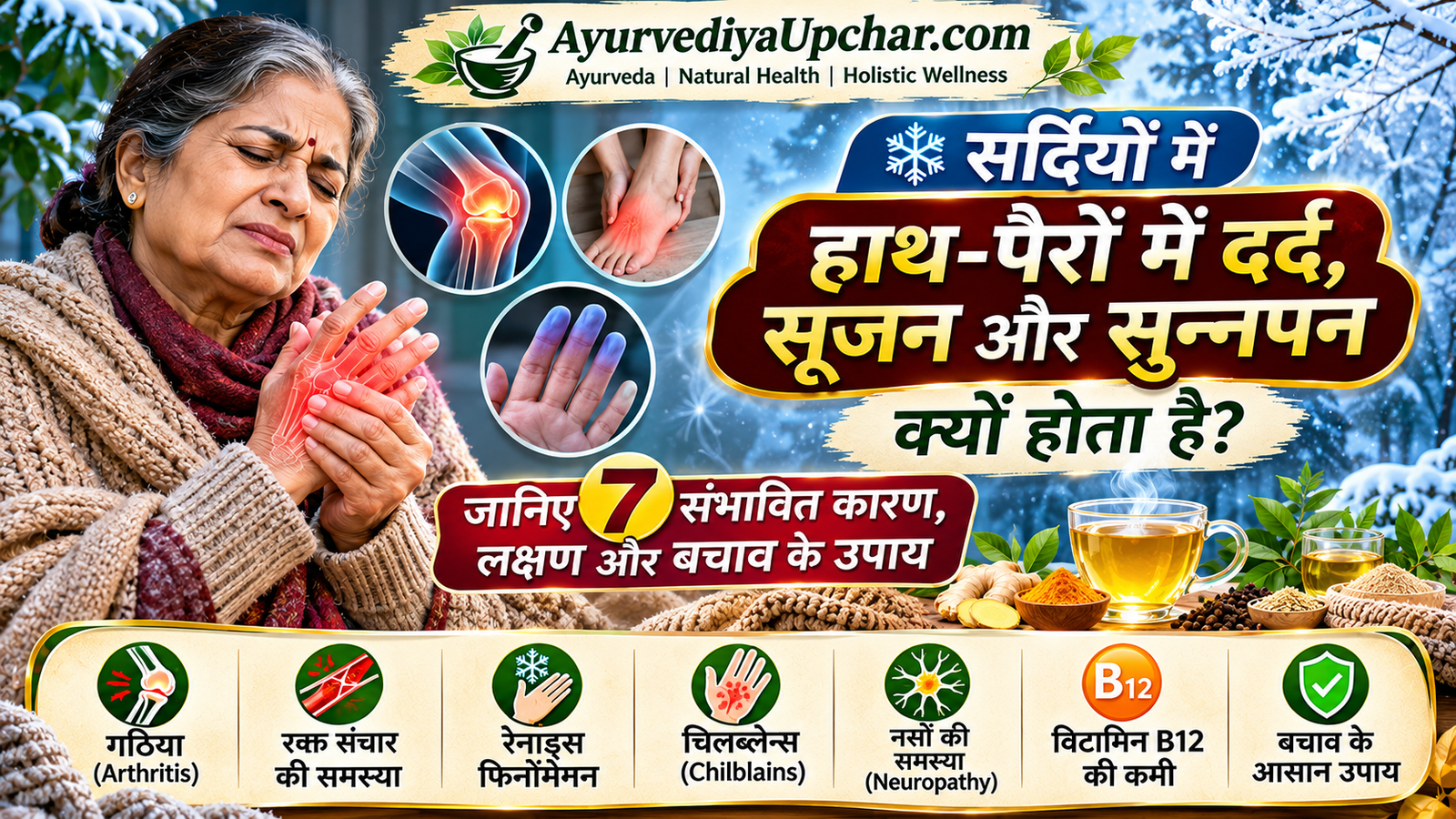
सर्दियों में हाथ-पैरों में दर्द, सूजन और सुन्नपन क्यों होता है? जानिए 7 संभावित कारण, लक्षण और बचाव के उपाय

AYURVEDIYAUPCHAR
At AyurvediyaUpchar, we bring you a carefully selected range of quality Masala & Spices and Natural Products for your everyday needs. From Haldi and Red Chilli Powder to Neem, Amla, Moringa and other natural powders, our products are selected with a focus on quality, convenience and everyday use. Explore our products and informative blog resources for simple ideas, traditional knowledge and a more natural lifestyle.
आयुर्वेदीय उपचार में हम आपके दैनिक उपयोग के लिए गुणवत्तापूर्ण मसाले, स्पाइसेज़ और प्राकृतिक उत्पादों की चुनिंदा रेंज उपलब्ध कराने का प्रयास करते हैं। हल्दी और लाल मिर्च पाउडर से लेकर नीम, आंवला, मोरिंगा और अन्य प्राकृतिक पाउडर तक, हमारे उत्पादों का चयन गुणवत्ता, उपयोगिता और सुविधा को ध्यान में रखकर किया जाता है। हमारे उत्पादों के साथ-साथ जानकारीपूर्ण ब्लॉग का भी आनंद लें, जहाँ आपको पारंपरिक ज्ञान, उपयोगी जानकारी और प्राकृतिक जीवनशैली से जुड़े विषय मिलेंगे।

About AyurvediyaUpchar.com
Welcome to AyurvediyaUpchar.com, an Indian online platform offering Natural Products, Masala & Spices, and selected everyday wellness products. We aim to bring carefully selected products inspired by traditional Indian knowledge and everyday needs, with a focus on quality, transparency, and customer trust.
Our Mission
At AyurvediyaUpchar.com, our aim is to make quality natural products and everyday spices easily accessible through a simple and reliable online shopping experience. We focus on providing clear product information and building a trusted relationship with our customers.
What We Offer
Natural Products – Neem Powder, Moringa Powder, Amla Powder, Tulsi Powder and other selected natural products.
Masala & Spices – Haldi, Mirchi and other everyday spices and masala products.
Selected Wellness Products – Carefully selected products for everyday lifestyle and wellness needs.
Marketplace Products – Products from selected sellers may also be available on our platform.
Informative Blog – Articles covering Ayurveda, natural ingredients, traditional knowledge, nutrition, spices, wellness and healthy lifestyle.
Why Choose Us?
✔ Quality Focus – We focus on carefully selected products and clear product information.
✔ Product Transparency – Important product details are provided wherever applicable.
✔ Natural & Traditional Products – Explore products based on natural ingredients and traditional Indian knowledge.
✔ Secure Shopping – Convenient online ordering and secure payment options.
✔ Reliable Support – Customer support for orders, products, shipping, returns and general queries.
At AyurvediyaUpchar.com, we believe in combining traditional Indian knowledge with modern shopping convenience to offer products for everyday needs.
Natural Products • Masala & Spices • Everyday Wellness
For any queries, contact us at:
Email: ayurvediyaupchar@gmail.com
Phone/WhatsApp: +91 96172 28848
RIDANYA ENTERPRISES
Creatives Heights, 2nd Floor, 204, E8, Arera Colony,
Bhopal, Madhya Pradesh – 462016, India.