
8 Ayurvedic Spices to Try This Fall and Winter
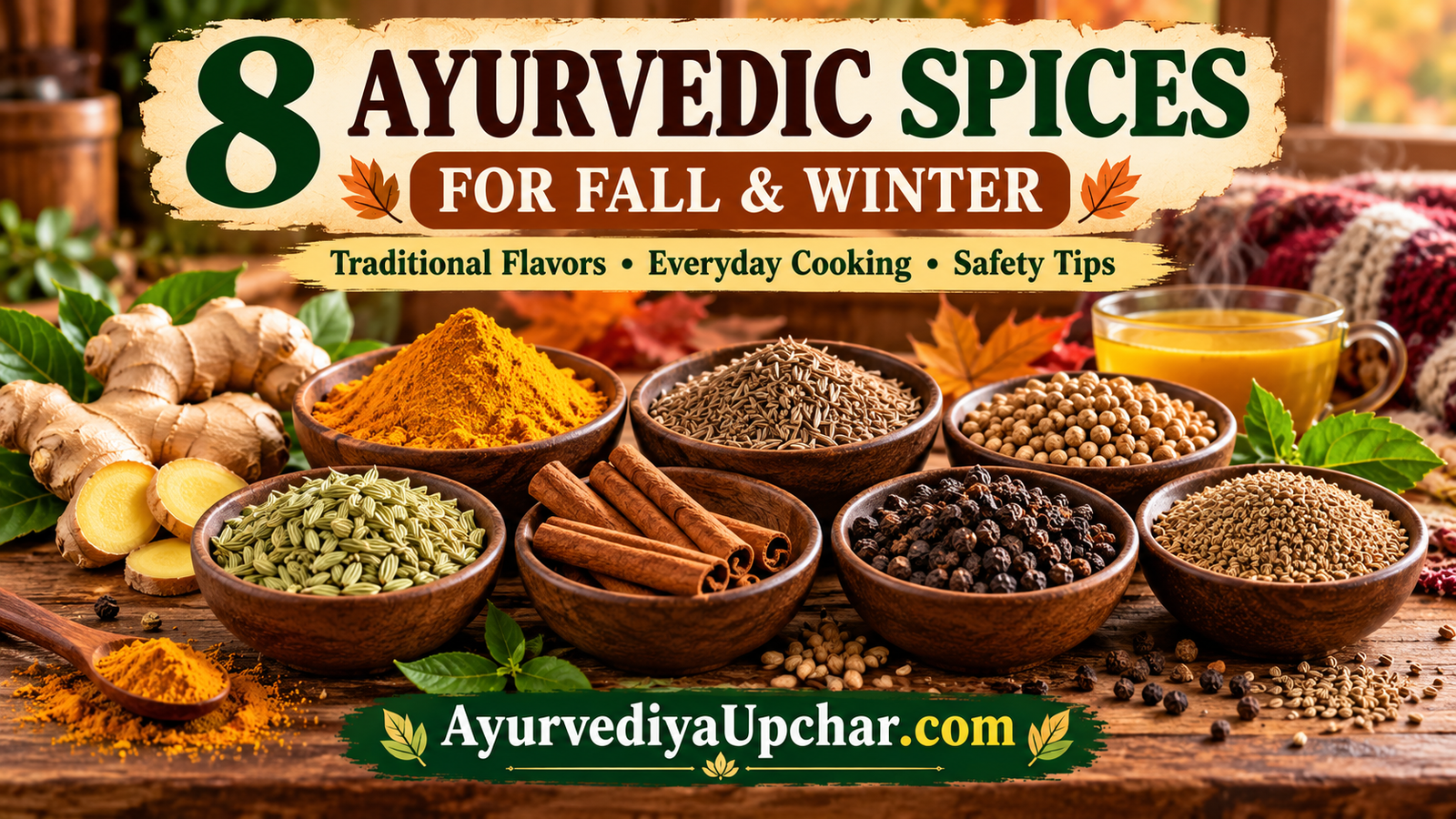
Discover eight traditional Ayurvedic spices, how to use them in everyday cooking, simple seasonal recipes, and practical tips for building a flavorful winter pantry.
As the weather turns cooler in the United States, many people look for comforting meals, warming drinks, and simple ways to refresh their daily routines. Traditional Indian cooking offers plenty of inspiration through aromatic spices such as ginger, turmeric, cumin, cinnamon, fennel, and black pepper.
Ayurveda is a traditional Indian system of health and wellness that emphasizes individual constitution, daily habits, food choices, and seasonal routines. In Ayurvedic cooking, spices are valued for their flavors, aromas, and traditional culinary roles.
You do not need to follow a complicated diet or buy expensive supplements to explore Ayurvedic-inspired cooking. You can start with familiar kitchen ingredients and use them in soups, vegetables, lentils, teas, and other everyday recipes.
In this guide, we will explore eight traditional Ayurvedic spices to try during fall and winter, how to use them in your kitchen, and what to know about their safety.
What Are Ayurvedic Spices?
Ayurvedic spices are culinary ingredients used in traditional Indian cooking and, in some cases, described in Ayurvedic literature for their traditional properties. Common examples include turmeric, ginger, cumin, coriander, fennel, cinnamon, black pepper, and ajwain.
In Ayurveda, foods and spices are sometimes discussed in terms of their taste, heating or cooling qualities, and relationship to an individual's constitution, commonly described through the concepts of Vata, Pitta, and Kapha.
These concepts belong to the traditional Ayurvedic framework. They should not be confused with established medical diagnoses or guarantees of a particular health outcome.
For everyday cooking, spices can add flavor and variety to meals while helping you explore traditional Indian culinary practices.
1. Ginger (Adrak): A Flavorful Addition to Cooler-Weather Meals
Ginger is one of the most recognizable ingredients in Indian kitchens. It has a fresh, sharp aroma and a distinctive spicy taste that works well in savory and sweet recipes.
In traditional Ayurveda, ginger is commonly associated with warming preparations and digestive traditions. It is also widely used in cuisines around the world, particularly in soups, teas, broths, and cooked vegetable dishes.
How to Use Ginger
Add freshly grated ginger to lentil soup or vegetable broth.
Combine ginger with turmeric and black pepper in a savory dish.
Use a small amount of ginger in homemade herbal tea.
Add ginger to cooked carrots, squash, or sweet potatoes.
Include it in marinades for vegetables, tofu, or other proteins.
Simple Ginger Tea Recipe
Ingredients
1 cup water
3–4 thin slices of fresh ginger
A small squeeze of lemon, optional
Honey, optional
Method
Bring the water to a gentle boil.
Add the ginger slices.
Simmer for approximately 5–10 minutes, depending on your preferred flavor.
Strain into a cup.
Add lemon or honey if desired.
This is a simple warming beverage for a chilly morning or evening. It is a comforting drink, not a proven treatment for colds or other illnesses.
A Safety Note
Ginger in normal culinary quantities is suitable for many people, but concentrated supplements can have different effects. People taking medicines, particularly those affecting blood clotting, should consult a healthcare professional before using high-dose ginger supplements.
2. Turmeric (Haldi): A Golden Staple of Indian Cooking
Turmeric is a bright yellow spice made from the underground stem of the Curcuma longa plant. It is widely used in Indian curries, lentils, rice dishes, soups, and traditional golden milk recipes.
Its distinctive color comes largely from compounds called curcuminoids, including curcumin. Turmeric has a long history of culinary and traditional medicinal use in India and other parts of Asia.
However, research on turmeric supplements has not established that turmeric reliably treats or prevents particular diseases. The National Center for Complementary and Integrative Health discusses the current evidence and safety considerations in its turmeric overview.
How to Use Turmeric
Add a small amount to lentils, beans, or vegetable curry.
Mix it into rice or roasted vegetables.
Use it in soups with ginger and black pepper.
Add a little turmeric to a warm milk-based or plant-based drink.
Combine it with cumin and coriander for a simple Indian-inspired seasoning.
Easy Golden Milk Recipe
Ingredients
1 cup milk or an unsweetened plant-based alternative
¼ teaspoon turmeric powder
A small pinch of cinnamon
A little grated ginger, optional
Honey, optional
Method
Warm the milk gently in a saucepan.
Add the turmeric and cinnamon.
Stir until the spices are evenly mixed.
Add ginger if desired and heat gently.
Allow the drink to cool slightly before serving.
Adjust the ingredients to your taste. There is no need to use large quantities of turmeric to enjoy its flavor.
Turmeric Safety
Culinary turmeric and concentrated curcumin supplements are not equivalent. Some high-bioavailability curcumin supplements have been associated with liver injury. Turmeric can also cause digestive side effects, and supplements may interact with medicines. Consult a healthcare professional before taking concentrated products, especially during pregnancy or if you have an existing medical condition.
3. Cumin (Jeera): An Essential Spice for Savory Dishes
Cumin is a staple in Indian, Middle Eastern, African, and Latin American cuisines. Its earthy, slightly nutty flavor makes it particularly useful in hearty dishes.
In Ayurvedic cooking, cumin is traditionally included in preparations intended to complement digestion. In modern kitchens, its most straightforward value is its versatility and distinctive aroma.
How to Use Cumin
Temper whole cumin seeds in a little cooking oil before adding vegetables or lentils.
Add ground cumin to roasted potatoes and carrots.
Season soups, beans, and chickpeas with cumin.
Combine cumin with coriander and turmeric for an everyday spice blend.
Add roasted cumin powder to yogurt-based sauces or savory dishes.
Quick Cumin Lentil Soup
Ingredients
1 cup red lentils, rinsed
4 cups water or vegetable broth
½ teaspoon cumin seeds
¼ teaspoon turmeric
A little grated ginger
Salt to taste
Chopped cilantro, optional
Method
Heat a small amount of cooking oil in a pot.
Add the cumin seeds and allow them to become fragrant.
Add the ginger, lentils, turmeric, and water or broth.
Simmer until the lentils become soft, adding more water if necessary.
Season with salt and garnish with cilantro.
This simple recipe combines familiar ingredients into a satisfying meal for cooler days.
4. Coriander (Dhania): Mild, Citrusy, and Versatile
Coriander comes from the coriander plant. The seeds are commonly used whole or ground, while the fresh leaves are known as cilantro in the United States.
Coriander seeds have a gentle citrus-like aroma with earthy and slightly sweet notes. They can balance stronger spices in curries, soups, roasted vegetables, and homemade seasoning blends.
In traditional Ayurvedic cooking, coriander is often discussed in relation to its mild flavor and traditional cooling qualities. These descriptions are part of the Ayurvedic framework rather than proof of a specific medical effect.
How to Use Coriander
Add ground coriander to lentils and vegetable curries.
Use crushed coriander seeds in marinades.
Combine coriander with cumin for a simple everyday spice mix.
Sprinkle fresh cilantro over soups, rice, or roasted vegetables.
Add ground coriander to homemade vegetable patties.
Easy Everyday Spice Blend
Mix the following ingredients in a small bowl:
2 teaspoons ground coriander
1 teaspoon ground cumin
½ teaspoon turmeric
A small pinch of black pepper
Store the mixture in a dry, airtight container and use it to season vegetables, lentils, or soups.
Make a small batch so that the aroma remains fresh.
5. Fennel (Saunf): A Naturally Sweet, Aromatic Spice
Fennel seeds are popular in Indian cooking and are recognizable by their greenish color and sweet, anise-like aroma. They can be used in savory dishes, spice blends, baked goods, and some traditional after-meal preparations.
In Ayurveda, fennel is traditionally associated with digestive routines and is often described as a relatively cooling spice. Its pleasant flavor also makes it easy to use in everyday recipes.
How to Use Fennel
Add a small amount to vegetable dishes.
Combine it with cumin and coriander in spice blends.
Use crushed fennel seeds in homemade bread or crackers.
Add a pinch to warm water for a lightly flavored drink.
Use fennel to season roasted carrots or squash.
Simple Fennel Infusion
Ingredients
1 cup hot water
½ teaspoon lightly crushed fennel seeds
Method
Place the fennel seeds in a cup.
Pour hot water over the seeds.
Cover and steep for about 5–8 minutes.
Strain before drinking.
This infusion has a gentle, sweet flavor. It should be viewed as a beverage rather than a treatment for digestive disorders.
People with known allergies to fennel or related plants should avoid it. Those who are pregnant or taking medicines should ask a healthcare professional before using concentrated herbal preparations.
6. Cinnamon (Dalchini): A Classic Fall and Winter Flavor
Cinnamon is widely used in American fall and winter recipes. It adds warmth and sweetness to oatmeal, baked apples, breakfast cereals, hot drinks, and desserts.
It also appears in traditional Indian cooking and some Ayurvedic preparations.
Two common types are Ceylon cinnamon and cassia cinnamon. They differ in their chemical composition, and cassia generally contains more coumarin, a naturally occurring compound that can be harmful to the liver in excessive amounts.
How to Use Cinnamon
Sprinkle a little ground cinnamon over oatmeal.
Add a cinnamon stick to warm milk or a simmering drink.
Use it in baked apples or roasted winter squash.
Combine cinnamon with ginger for a seasonal tea.
Add a small amount to selected rice or lentil dishes for a subtle aroma.
Cinnamon Apple Oatmeal
Ingredients
½ cup rolled oats
1 cup milk or water
½ apple, chopped
A small pinch of cinnamon
Nuts or seeds, optional
Method
Cook the oats with milk or water according to the package directions.
Add the chopped apple and cinnamon.
Simmer until the oats reach your preferred consistency.
Add nuts or seeds if desired.
This recipe provides a simple way to enjoy cinnamon without relying on concentrated supplements.
Cinnamon Safety
Cinnamon is generally suitable in the amounts commonly used in food. Regularly consuming large quantities, particularly of cassia cinnamon, may increase exposure to coumarin. For more information, see the National Center for Complementary and Integrative Health's cinnamon safety guide.
7. Black Pepper (Kali Mirch): A Small Spice With a Bold Flavor
Black pepper is made from the dried berries of Piper nigrum. It has a sharp, pungent flavor and is used in cuisines worldwide.
In Ayurveda, black pepper is traditionally described as a warming spice. It is also used in some Indian spice blends and turmeric-based recipes.
Black pepper contains piperine, a compound that can affect the absorption and metabolism of certain substances. This is one reason why adding concentrated black pepper extracts to supplements should not be treated the same as seasoning food.
How to Use Black Pepper
Grind fresh pepper over soups and roasted vegetables.
Add a pinch to lentils and savory porridges.
Combine it with cumin and coriander in spice blends.
Use a small amount in turmeric-based dishes.
Season eggs, beans, or other protein-rich foods.
A Practical Tip
Black pepper can be intense, so start with a small amount and adjust it to your taste. You do not need to consume extra pepper or combine it with high-dose supplements to enjoy its culinary benefits.
People who take prescription medicines should consult their healthcare professional before using concentrated piperine supplements, because interactions are possible.
8. Ajwain (Carom Seeds): A Traditional Indian Kitchen Spice
Ajwain, also called carom seeds, is commonly used in Indian savory foods. Its aroma is strong, herbal, and slightly thyme-like.
Ajwain appears in traditional recipes for flatbreads, savory snacks, lentil dishes, and vegetable preparations. It is usually used in small amounts because its flavor can quickly dominate a dish.
In Ayurveda, ajwain is traditionally associated with warming culinary preparations. Claims that it cures gas, acidity, or other digestive conditions should not be treated as established medical facts.
How to Use Ajwain
Add a small pinch to whole-wheat flatbread dough.
Use it to season roasted potatoes or cauliflower.
Combine a little ajwain with cumin in savory dishes.
Add it to selected lentil preparations.
Include it in homemade crackers or baked savory snacks.
Ajwain Flatbread Tip
Mix a small pinch of ajwain into whole-wheat flour before adding water and kneading the dough. Roll and cook the flatbread as usual.
The seeds add a distinctive aroma without requiring a complicated recipe.
Use ajwain primarily as a culinary ingredient. Avoid taking concentrated preparations as a home remedy without professional advice, particularly during pregnancy or when taking medicines.
How to Build an Ayurvedic-Inspired Fall and Winter Pantry
You do not need to purchase every spice at once. A small collection of versatile ingredients can help you prepare many different meals.
Start With These Essentials
For everyday cooking
Cumin seeds
Ground coriander
Turmeric powder
Black pepper
For warm drinks and seasonal recipes
Fresh ginger
Cinnamon sticks
Fennel seeds
For traditional Indian savory dishes
Ajwain seeds
Begin with ingredients you already enjoy. Add other spices as you experiment with new recipes.
Whole Spices vs. Ground Spices
Whole spices often retain their aroma longer than ground spices because less of their surface is exposed to air. Ground spices are convenient, but their flavor can fade more quickly.
The USDA Food Safety and Inspection Service recommends storing spices appropriately and notes that ground spices generally lose aroma and flavor faster than whole spices. See its guidance on spice shelf life.
For best quality:
Store spices in clean, airtight containers.
Keep them away from direct sunlight, heat, and moisture.
Use a dry spoon when measuring spices.
Label containers with the purchase date.
Check their aroma and appearance regularly.
Follow package instructions and discard spices that show signs of moisture damage, contamination, or spoilage.
A Simple Three-Day Ayurvedic-Inspired Meal Plan
This sample plan uses familiar ingredients to demonstrate how spices can fit into ordinary meals. It is not a prescribed Ayurvedic diet or a treatment plan.
Day 1
Breakfast: Oatmeal with apple and cinnamon.
Lunch: Red lentil soup with cumin, ginger, and turmeric.
Dinner: Roasted vegetables seasoned with coriander and black pepper.
Day 2
Breakfast: Savory eggs or tofu with cumin and black pepper.
Lunch: Chickpea and vegetable bowl with coriander and a little ginger.
Dinner: Vegetable curry with turmeric, cumin, and ground coriander.
Day 3
Breakfast: Whole-wheat flatbread with a small amount of ajwain.
Lunch: Rice and lentils with cumin and turmeric.
Dinner: Roasted squash with cinnamon and a side of protein-rich lentils or beans.
A varied diet should include appropriate amounts of protein, vegetables, fruits, whole grains, and other foods suited to your needs. Spices add flavor, but they do not replace balanced nutrition.
Common Mistakes to Avoid When Using Ayurvedic Spices
1. Assuming More Is Always Better
Spices are flavorful ingredients, but consuming very large quantities does not guarantee greater benefits. Concentrated extracts and supplements may have different risks from ordinary food use.
2. Treating Spices as Medicines
Traditional Ayurvedic descriptions can be interesting and culturally important, but they do not establish that a spice treats a particular disease. Do not replace prescribed treatment with spices or homemade preparations.
3. Ignoring Allergies and Medication Interactions
People with allergies, chronic health conditions, or regular prescription medicines should seek appropriate advice before using concentrated herbal products.
4. Buying More Than You Need
Purchasing many large containers can lead to stale spices and wasted money. Start with small quantities and buy more as needed.
5. Confusing Culinary Use With Supplement Use
A pinch of cinnamon in oatmeal is not the same as a high-dose cinnamon supplement. The same principle applies to turmeric, ginger, and black pepper extracts.
Frequently Asked Questions
1. What are the most commonly used Ayurvedic spices?
Turmeric, ginger, cumin, coriander, fennel, black pepper, cinnamon, and ajwain are commonly used in Indian cooking and appear in traditional Ayurvedic culinary practices.
2. Which Ayurvedic spices are good for winter cooking?
Ginger, cinnamon, black pepper, turmeric, and cumin are popular choices for cooler-weather recipes because of their bold flavors and suitability for soups, curries, warm drinks, and roasted vegetables.
They can make meals more enjoyable, but they should not be described as guaranteed treatments for seasonal illnesses.
3. Can I use Ayurvedic spices every day?
Many people use ordinary culinary amounts of common spices as part of their regular meals. The appropriate amount depends on personal tolerance, allergies, dietary needs, and health conditions.
Daily use of concentrated supplements is a different matter and may require professional guidance.
4. Is turmeric milk an Ayurvedic drink?
Golden milk is a modern English-language name commonly used for milk prepared with turmeric and sometimes other spices. Turmeric-containing milk preparations have connections to Indian culinary and traditional practices.
It can be enjoyed as a beverage, but it is not a substitute for medical treatment.
5. Are Ayurvedic spices scientifically proven to improve health?
The evidence varies by spice, preparation, dose, and health outcome. Culinary uses are well established, but evidence supporting specific medical claims is often limited or inconclusive.
For example, the NCCIH states that available research does not establish turmeric as an effective treatment for specific health conditions. Its turmeric overview explains these limitations and associated safety concerns.
6. How should I store Ayurvedic spices?
Keep spices in clean, airtight containers in a cool, dry place away from direct sunlight and moisture. Whole spices often retain their flavor longer than ground spices.
7. Can I mix all eight spices into one drink?
There is no need to combine all eight spices in a single drink. Their flavors can become overpowering, and some people may experience digestive discomfort. Choose one or two ingredients that complement the recipe instead.
8. Are Ayurvedic spices safe during pregnancy?
Normal culinary use and concentrated herbal preparations are not equivalent. Pregnant or breastfeeding individuals should consult a qualified healthcare professional before using concentrated spice extracts, supplements, or medicinal preparations.
Final Thoughts
Ayurvedic-inspired cooking is a practical way to explore traditional Indian food culture through familiar kitchen ingredients. Ginger, turmeric, cumin, coriander, fennel, cinnamon, black pepper, and ajwain each bring a distinctive flavor and can be used in a wide variety of everyday recipes.
During fall and winter, try incorporating these spices into soups, lentils, vegetables, warm drinks, and simple homemade meals. Start with small quantities, store them properly, and choose recipes that suit your taste.
Remember that traditional use does not automatically establish medical effectiveness. Enjoy spices as part of a varied diet, and consult a healthcare professional before using concentrated supplements or relying on herbal products for a health condition.
Disclaimer: This article is for educational and culinary purposes only. It does not provide medical advice or claim that Ayurvedic spices diagnose, treat, cure, or prevent disease.
Published by AyurvediyaUpchar.com
Recent Posts
रौप्य भस्म (चाँदी): परिचय, शोधन विधि, निर्माण प्रक्रिया, आयुर्वेदिक गुण, उपयोग एवं सावधानियाँ
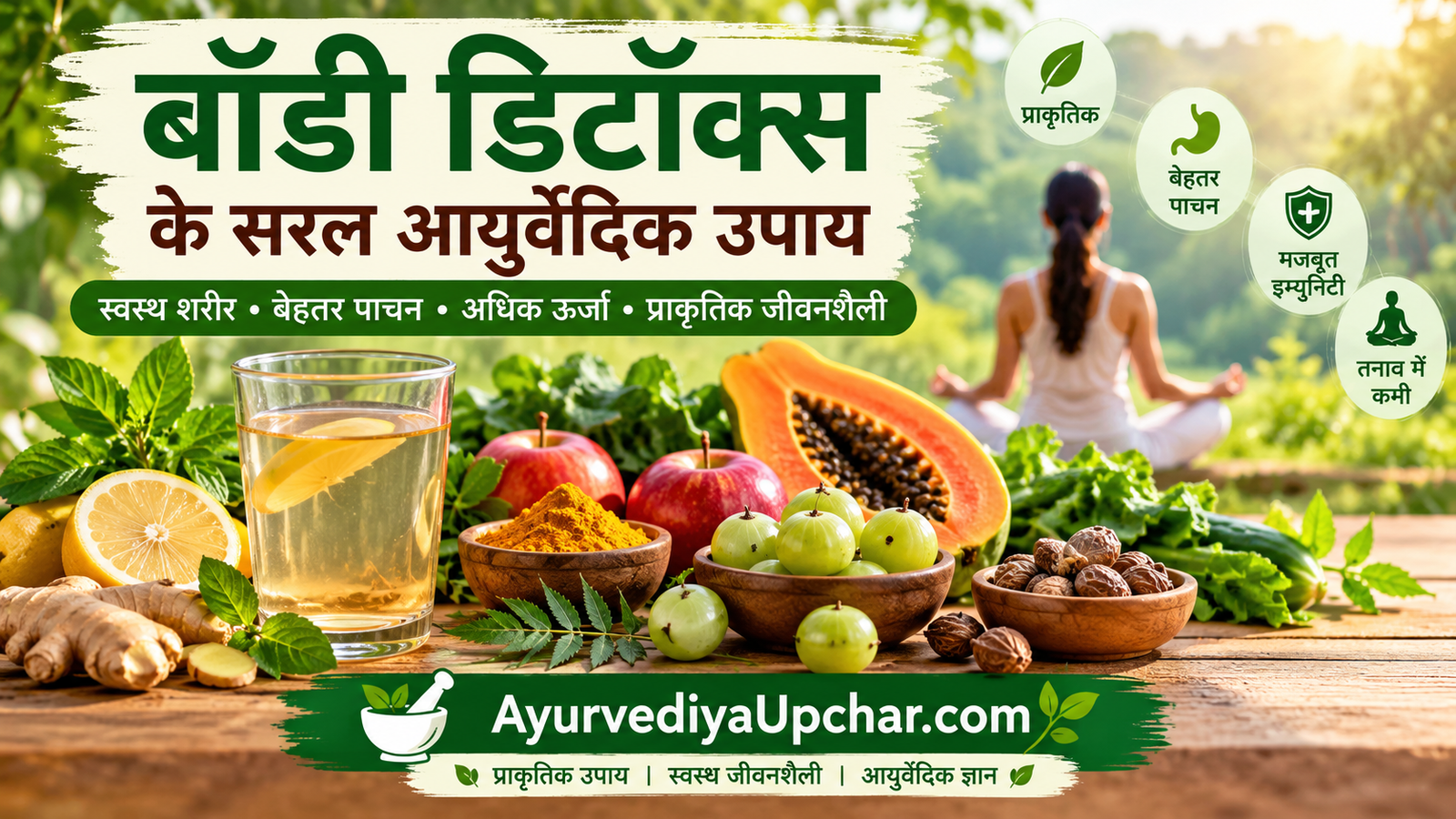
बॉडी डिटॉक्स कैसे करें? शरीर को स्वस्थ रखने की सरल आयुर्वेदिक चिकित्सा पद्धति
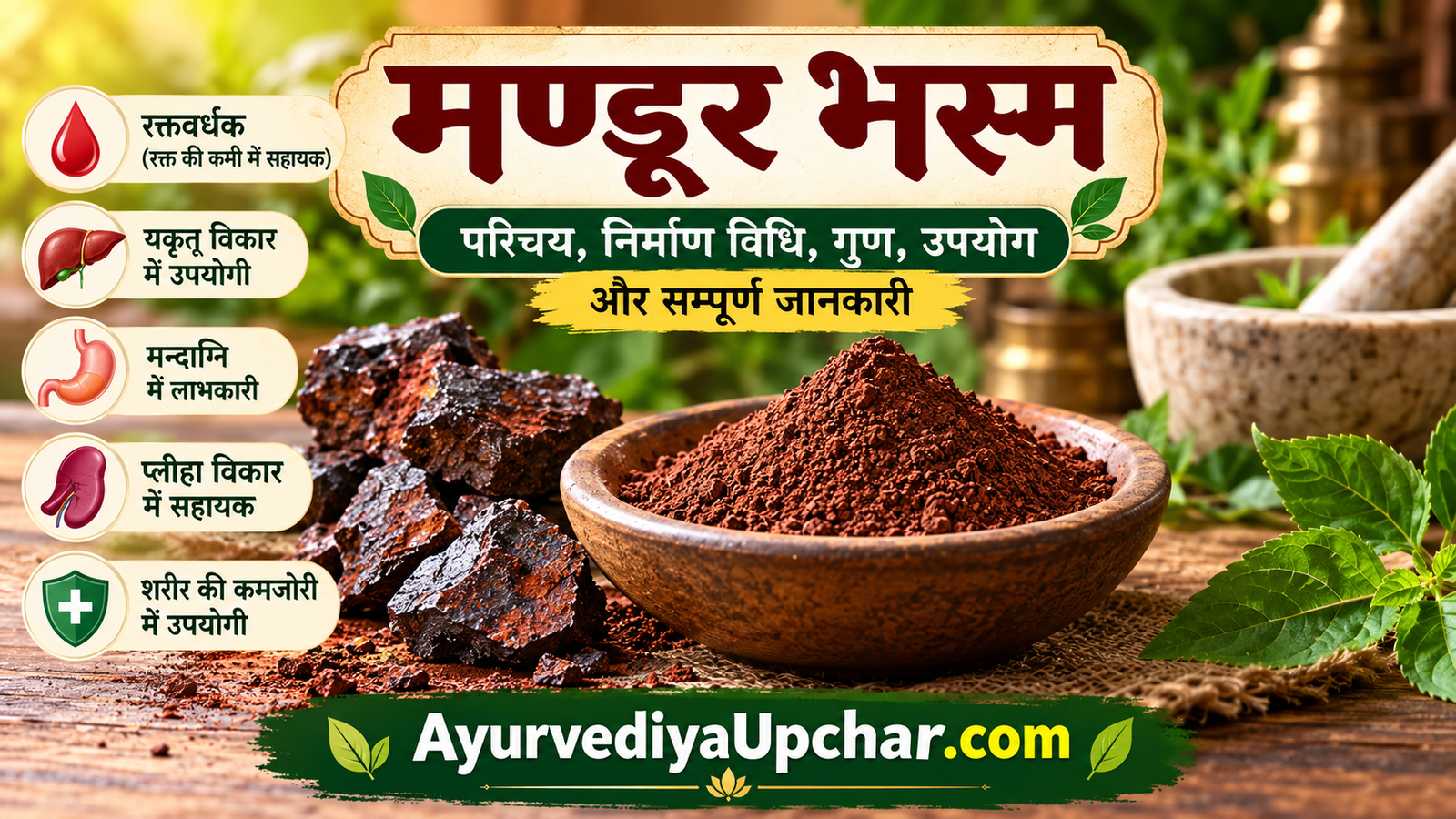
मण्डूर भस्म: परिचय, पारंपरिक निर्माण विधि, आयुर्वेदिक गुण, उपयोग एवं मधु मण्डूर का विस्तृत वर्णन
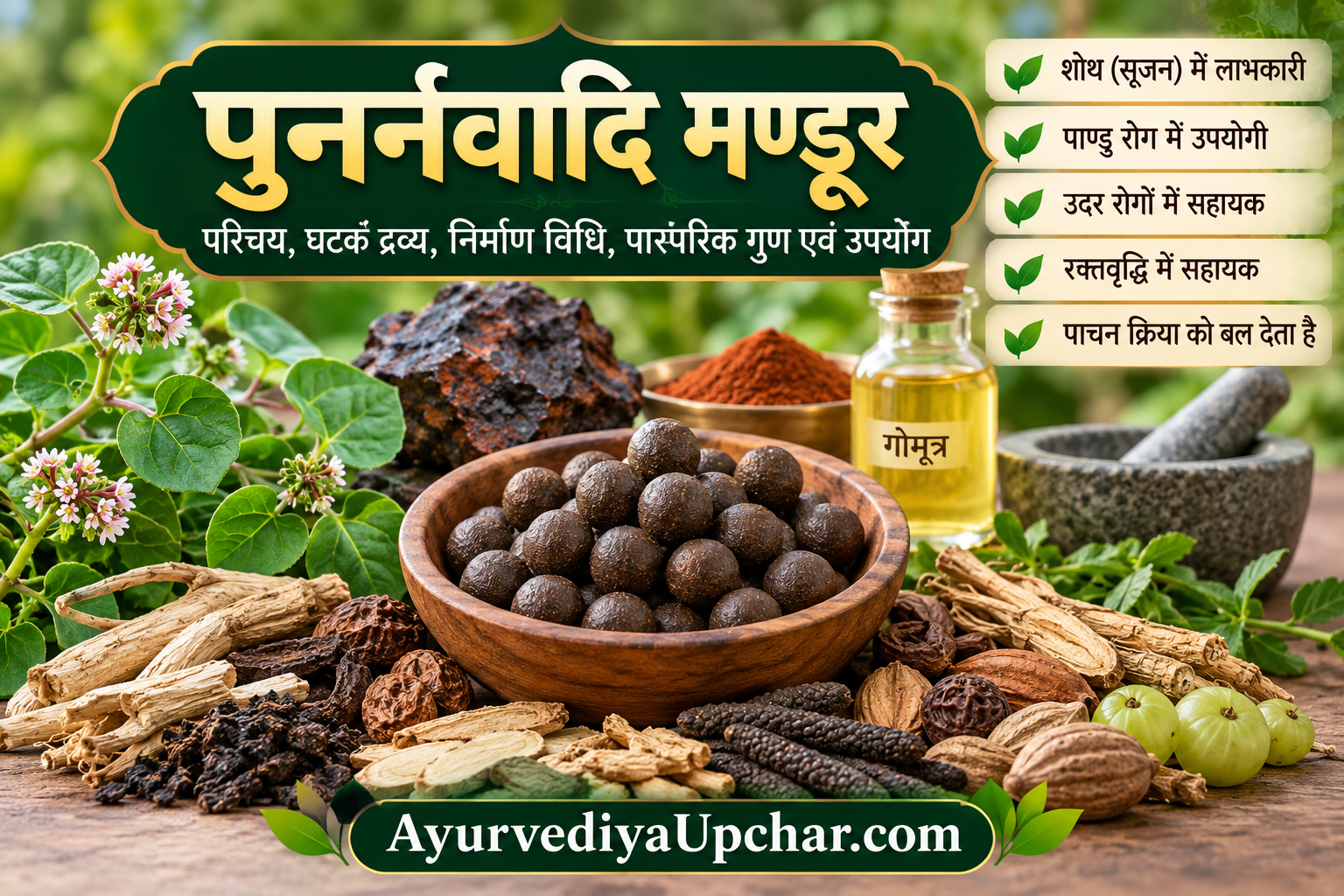
पुनर्नवादि मण्डूर: परिचय, घटक द्रव्य, निर्माण विधि, पारंपरिक गुण एवं उपयोग
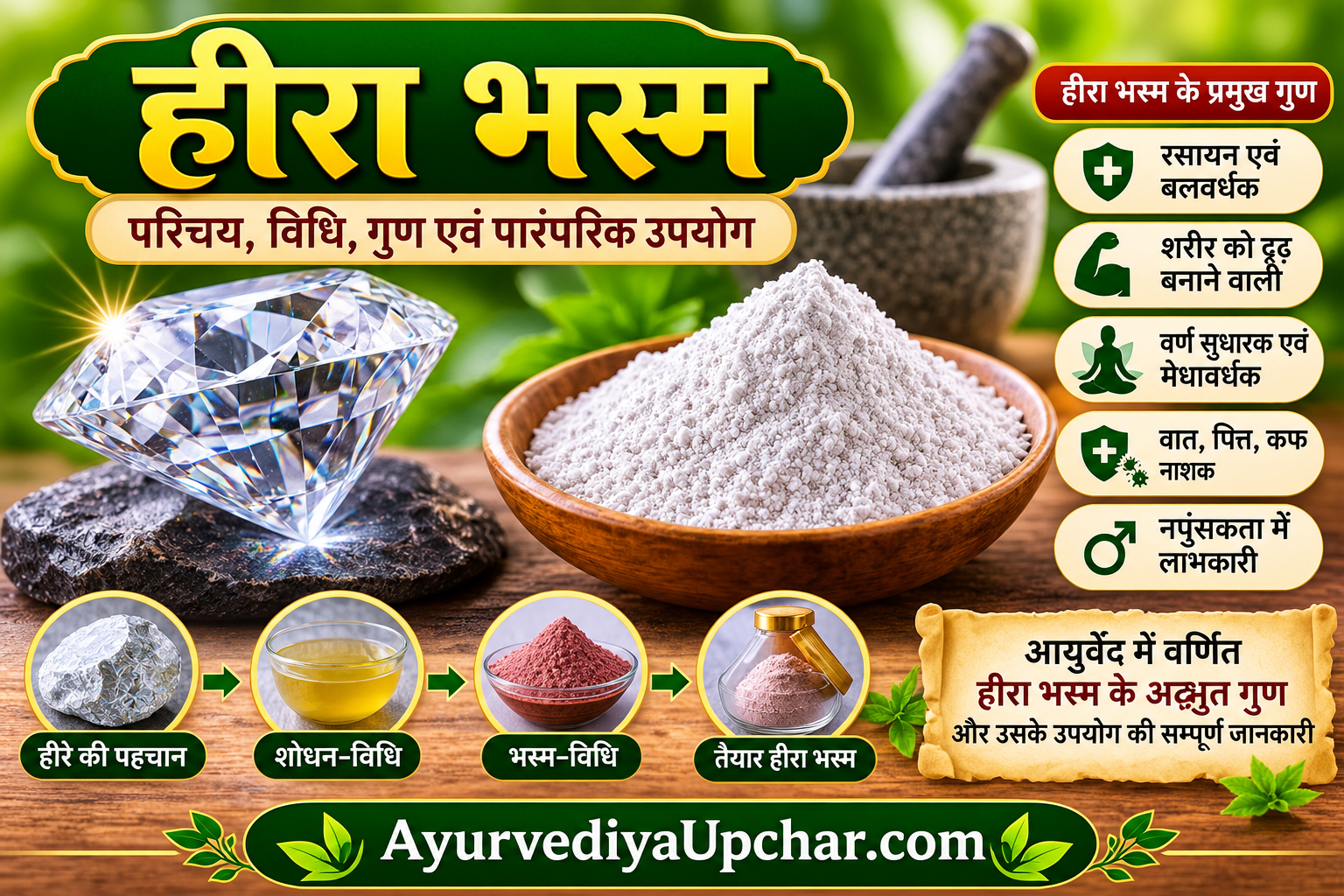
हीरा भस्म: परिचय, आयुर्वेदिक वर्गीकरण, शोधन-विधि, भस्म-विधि, गुण एवं पारंपरिक उपयोग
पुखराज भस्म: परिचय, पारंपरिक शोधन-विधि, भस्म-विधि, पिष्टी, गुण एवं उपयोग
पीतल भस्म: परिचय, शोधन विधि, भस्म निर्माण, गुण, उपयोग एवं सावधानियाँ
AYURVEDIYAUPCHAR
At AyurvediyaUpchar, we bring you a carefully selected range of quality Masala & Spices and Natural Products for your everyday needs. From Haldi and Red Chilli Powder to Neem, Amla, Moringa and other natural powders, our products are selected with a focus on quality, convenience and everyday use. Explore our products and informative blog resources for simple ideas, traditional knowledge and a more natural lifestyle.
आयुर्वेदीय उपचार में हम आपके दैनिक उपयोग के लिए गुणवत्तापूर्ण मसाले, स्पाइसेज़ और प्राकृतिक उत्पादों की चुनिंदा रेंज उपलब्ध कराने का प्रयास करते हैं। हल्दी और लाल मिर्च पाउडर से लेकर नीम, आंवला, मोरिंगा और अन्य प्राकृतिक पाउडर तक, हमारे उत्पादों का चयन गुणवत्ता, उपयोगिता और सुविधा को ध्यान में रखकर किया जाता है। हमारे उत्पादों के साथ-साथ जानकारीपूर्ण ब्लॉग का भी आनंद लें, जहाँ आपको पारंपरिक ज्ञान, उपयोगी जानकारी और प्राकृतिक जीवनशैली से जुड़े विषय मिलेंगे।

About AyurvediyaUpchar.com
Welcome to AyurvediyaUpchar.com, an Indian online platform offering Natural Products, Masala & Spices, and selected everyday wellness products. We aim to bring carefully selected products inspired by traditional Indian knowledge and everyday needs, with a focus on quality, transparency, and customer trust.
Our Mission
At AyurvediyaUpchar.com, our aim is to make quality natural products and everyday spices easily accessible through a simple and reliable online shopping experience. We focus on providing clear product information and building a trusted relationship with our customers.
What We Offer
Natural Products – Neem Powder, Moringa Powder, Amla Powder, Tulsi Powder and other selected natural products.
Masala & Spices – Haldi, Mirchi and other everyday spices and masala products.
Selected Wellness Products – Carefully selected products for everyday lifestyle and wellness needs.
Marketplace Products – Products from selected sellers may also be available on our platform.
Informative Blog – Articles covering Ayurveda, natural ingredients, traditional knowledge, nutrition, spices, wellness and healthy lifestyle.
Why Choose Us?
✔ Quality Focus – We focus on carefully selected products and clear product information.
✔ Product Transparency – Important product details are provided wherever applicable.
✔ Natural & Traditional Products – Explore products based on natural ingredients and traditional Indian knowledge.
✔ Secure Shopping – Convenient online ordering and secure payment options.
✔ Reliable Support – Customer support for orders, products, shipping, returns and general queries.
At AyurvediyaUpchar.com, we believe in combining traditional Indian knowledge with modern shopping convenience to offer products for everyday needs.
Natural Products • Masala & Spices • Everyday Wellness
For any queries, contact us at:
Email: ayurvediyaupchar@gmail.com
Phone/WhatsApp: +91 96172 28848
RIDANYA ENTERPRISES
Creatives Heights, 2nd Floor, 204, E8, Arera Colony,
Bhopal, Madhya Pradesh – 462016, India.