

Ayurvedic Winter Skincare: How to Prevent Dry Skin Naturally

Winter can be beautiful, but colder temperatures, low humidity, and indoor heating can make your skin feel dry, rough, flaky, and uncomfortable. If you live in the United States, you may notice these changes as temperatures begin to drop in November and continue through the winter months.
Many people experience dry skin during winter because cold outdoor air and indoor heating reduce moisture in the environment. This can affect the skin's natural protective barrier and make it harder to retain moisture.
Ayurveda, the traditional Indian system of wellness, emphasizes seasonal routines, gentle self-care, and the use of natural oils and ingredients. By combining these traditional practices with dermatologist-recommended skincare habits, you can build a simple winter skincare routine.
In this guide, you will learn how to prevent dry skin naturally, which Ayurvedic ingredients you can consider, and how to take care of your skin throughout winter.
Why Does Skin Become Dry During Winter?
Winter dryness is commonly associated with changes in temperature and humidity.
Some common reasons include:
1. Low Outdoor Humidity
Cold winter air generally holds less moisture than warm air. This can contribute to water loss from the skin.
2. Indoor Heating
Central heating, fireplaces, and space heaters can make indoor air dry. Spending long hours in heated rooms may worsen skin dryness.
3. Hot Showers
Hot water can remove natural oils from the skin, making it feel tight and uncomfortable.
4. Harsh Soaps and Cleansers
Products containing strong detergents or fragrances may irritate sensitive skin and make dryness worse.
5. Inadequate Moisturizing
If you do not apply moisturizer regularly, your skin may lose moisture more easily, especially after bathing.
According to the American Academy of Dermatology, using suitable moisturizers, avoiding hot showers, and choosing gentle skincare products can help manage winter dryness.
7 Ayurvedic and Natural Ways to Prevent Dry Skin in Winter
1. Use Coconut Oil to Moisturize Your Skin
Coconut oil is traditionally used in Indian skincare routines. It contains fatty acids that can help soften the skin and reduce moisture loss.
You can consider using a small amount of coconut oil on dry areas such as your arms, legs, elbows, and feet.
How to use it:
Take a small amount of coconut oil.
Apply it to slightly damp skin.
Massage gently until distributed evenly.
Use it on areas that tend to become dry.
Tip: If you have acne-prone or sensitive skin, test it on a small area first. Coconut oil may clog pores in some people, particularly on the face.
2. Try Sesame Oil for Winter Body Care
Sesame oil, known as Til Oil in Ayurveda, has traditionally been used for body massage.
It contains naturally occurring fatty acids and can help soften dry skin by reducing moisture loss.
How to use it:
Take a small quantity of sesame oil.
Apply it to your arms and legs.
Massage gently without rubbing too hard.
Wash it off if you prefer, or leave it on if your skin tolerates it.
Choose a clean, skin-appropriate product rather than assuming every cooking oil is suitable for skincare.
Important: Avoid applying oil to irritated, broken, or inflamed skin without professional advice.
3. Include Aloe Vera in Your Skincare Routine
Aloe vera is widely used in natural skincare products because of its soothing and moisturizing properties.
If your skin feels tight after washing, an aloe vera gel may provide a refreshing feeling.
How to use it:
Choose a fragrance-free aloe vera gel.
Apply a small amount to clean skin.
Follow with a suitable moisturizer.
Aloe vera can cause irritation or allergic reactions in some individuals. Always perform a patch test before regular use.
4. Apply Moisturizer Immediately After Bathing
One of the simplest ways to prevent winter dryness is to moisturize while your skin is still slightly damp.
Dermatologists recommend using creams or ointments instead of lightweight lotions when dealing with very dry skin.
Look for products containing ingredients such as:
Glycerin
Ceramides
Hyaluronic acid
Shea butter
Petrolatum
These ingredients help hydrate the skin or reduce moisture loss.
Best practice: Apply moisturizer within a few minutes after bathing or washing your face.
5. Use a Gentle, Natural Skincare Routine
Winter is not the best time to experiment with too many harsh skincare products.
A gentle routine can help protect your skin's natural barrier.
Consider these habits:
Use a gentle, fragrance-free cleanser.
Avoid excessive exfoliation.
Do not scrub dry or flaky skin aggressively.
Avoid very hot water.
Use a moisturizer suitable for your skin type.
If you use strong exfoliating products or retinoids, ask your dermatologist whether your routine needs adjustment during winter.
6. Eat a Balanced Diet for Healthy Skin
Healthy skin requires proper nutrition. Ayurveda traditionally emphasizes eating according to the season and maintaining balanced daily habits.
Include a variety of nutrient-rich foods in your winter diet.
Some options include:
Walnuts and almonds
Flaxseeds and chia seeds
Fresh vegetables
Seasonal fruits
Avocados
Whole grains
Foods containing healthy fats
Omega-3 fatty acids are found in foods such as walnuts, flaxseeds, chia seeds, and fatty fish.
A balanced diet supports overall health, although no particular food can guarantee relief from dry skin.
7. Use a Humidifier to Maintain Indoor Moisture
Indoor heating can reduce humidity, especially during cold American winters.
A humidifier can add moisture to indoor air and may help reduce skin dryness.
Helpful tips:
Consider using a cool-mist humidifier in your bedroom.
Follow the manufacturer's cleaning instructions.
Change the water regularly.
Avoid allowing excess moisture to build up indoors.
Maintaining a comfortable indoor environment can support your overall winter skincare routine.
A Simple Ayurvedic Winter Skincare Routine
Consistency is more important than using too many products. Here is a simple routine you can follow.
Morning Routine
Wash your face with a gentle cleanser.
Apply a suitable moisturizer.
Use broad-spectrum SPF 30 or higher sunscreen on exposed skin.
Apply lip balm to prevent chapped lips.
Evening Routine
Clean your face gently.
Apply moisturizer while the skin is slightly damp.
Use a small amount of suitable natural oil on dry body areas if tolerated.
Apply a moisturizing lip balm before bedtime.
Weekly Care
Avoid excessive exfoliation.
Check for areas that become especially dry.
Wash towels and pillowcases regularly.
Review your skincare products for irritating fragrances.
Best Natural Ingredients for Winter Skincare
Here is a quick overview of commonly used ingredients.
| Ingredient | Traditional or skincare use |
|---|---|
| Coconut Oil | Helps soften dry skin |
| Sesame Oil | Traditionally used for body massage |
| Aloe Vera | Soothing skincare ingredient |
| Shea Butter | Helps reduce moisture loss |
| Almond Oil | Used as an emollient |
| Honey | Humectant used in skincare products |
| Oatmeal | Used in soothing skincare products |
Note: Natural does not automatically mean safe for everyone. Some natural ingredients can cause allergies, irritation, or clogged pores. Choose products according to your skin type.
Winter Skincare Mistakes You Should Avoid
Some everyday habits can make dry skin worse.
1. Taking Long, Hot Showers
Hot water can remove natural skin oils. Use warm water and keep showers short.
2. Using Fragranced Products
Fragrances can irritate sensitive or already-dry skin. Choose fragrance-free products.
3. Skipping Sunscreen
UV rays can affect your skin even during winter. Use broad-spectrum SPF 30 or higher on exposed areas.
4. Applying Too Many Natural Ingredients
Combining multiple oils, herbs, and homemade mixtures may irritate your skin. Keep your routine simple.
5. Ignoring Persistent Dryness
Severe itching, redness, cracking, or recurring flaky patches may indicate an underlying skin condition that needs medical attention.
When Should You Consult a Dermatologist?
Mild winter dryness often improves with regular moisturizing and gentle skincare.
However, consult a qualified dermatologist if you experience:
Severe or persistent itching.
Deep cracks or bleeding skin.
Painful redness or swelling.
Repeated skin irritation.
Dryness that does not improve with regular skincare.
Conditions such as eczema and psoriasis can sometimes become worse during winter. Professional evaluation is important if symptoms persist.
Frequently Asked Questions (FAQs)
1. How can I prevent dry skin naturally in winter?
Use a gentle cleanser, avoid hot showers, apply moisturizer regularly, and consider suitable natural oils such as coconut or sesame oil. A humidifier may also help.
2. Is coconut oil good for dry skin in winter?
Coconut oil can help soften dry skin and reduce moisture loss. However, it may clog pores in some people, so it may not be suitable for every skin type.
3. Is sesame oil good for winter skincare?
Sesame oil is traditionally used in Ayurvedic body massage. It can help soften the skin, but people with sensitive skin should perform a patch test first.
4. How often should I moisturize during winter?
Apply moisturizer at least after bathing and whenever your skin feels dry. You may need to moisturize several times throughout the day.
5. Can aloe vera help with dry skin?
Aloe vera is commonly used in skincare products for its soothing properties. For dry skin, it is best used with a suitable moisturizer rather than as a replacement for one.
6. Why does my skin itch more during winter?
Cold weather, low humidity, and indoor heating can increase skin dryness, which may lead to itching. Persistent itching should be evaluated by a dermatologist.
7. Should I use sunscreen during winter?
Yes. Apply broad-spectrum SPF 30 or higher sunscreen to exposed skin, even during winter.
Final Thoughts
Winter skincare does not need to be complicated. A few consistent habits can make a meaningful difference in how your skin feels during colder months.
Ayurvedic traditions offer several approaches to seasonal self-care, including sesame oil massage and gentle daily routines. When combined with modern skincare practices such as regular moisturizing, gentle cleansing, and sun protection, these habits can support healthier-looking skin.
Remember that every skin type is different. Start with simple products, observe how your skin responds, and consult a dermatologist if dryness becomes severe or persistent.
Take care of your skin naturally, gently, and consistently this winter.
Medical Disclaimer: This article is for educational and informational purposes only. It is not intended to diagnose, treat, cure, or prevent any medical condition. Natural ingredients may cause allergic reactions or irritation. Consult a qualified dermatologist before trying new skincare ingredients, especially if you have sensitive skin or an existing skin condition.
Recent Posts

Vitamin B12 Deficiency: 10 Warning Signs, Causes, Symptoms, Diagnosis and Treatment

विटामिन B12 की कमी: 10 प्रमुख लक्षण, कारण, जांच, उपचार और बचाव के उपाय

प्लेटलेट्स कम होने के कारण, लक्षण, उपचार और खान-पान: Low Platelet Count की संपूर्ण जानकारी

श्रृंग भस्म (Shringa Bhasma): परिचय, पारंपरिक निर्माण विधि, गुण, उपयोग और सावधानियाँ

लाल मिर्च के फायदे, उपयोग और गुण: भारतीय रसोई में लाल मिर्च पाउडर का महत्व

हल्दी के फायदे, उपयोग और गुण: भारतीय रसोई में हल्दी का महत्व और सही हल्दी पाउडर कैसे चुनें?

Turmeric Benefits: Nutrition, Uses, Recipes & How to Choose Quality Turmeric Powder
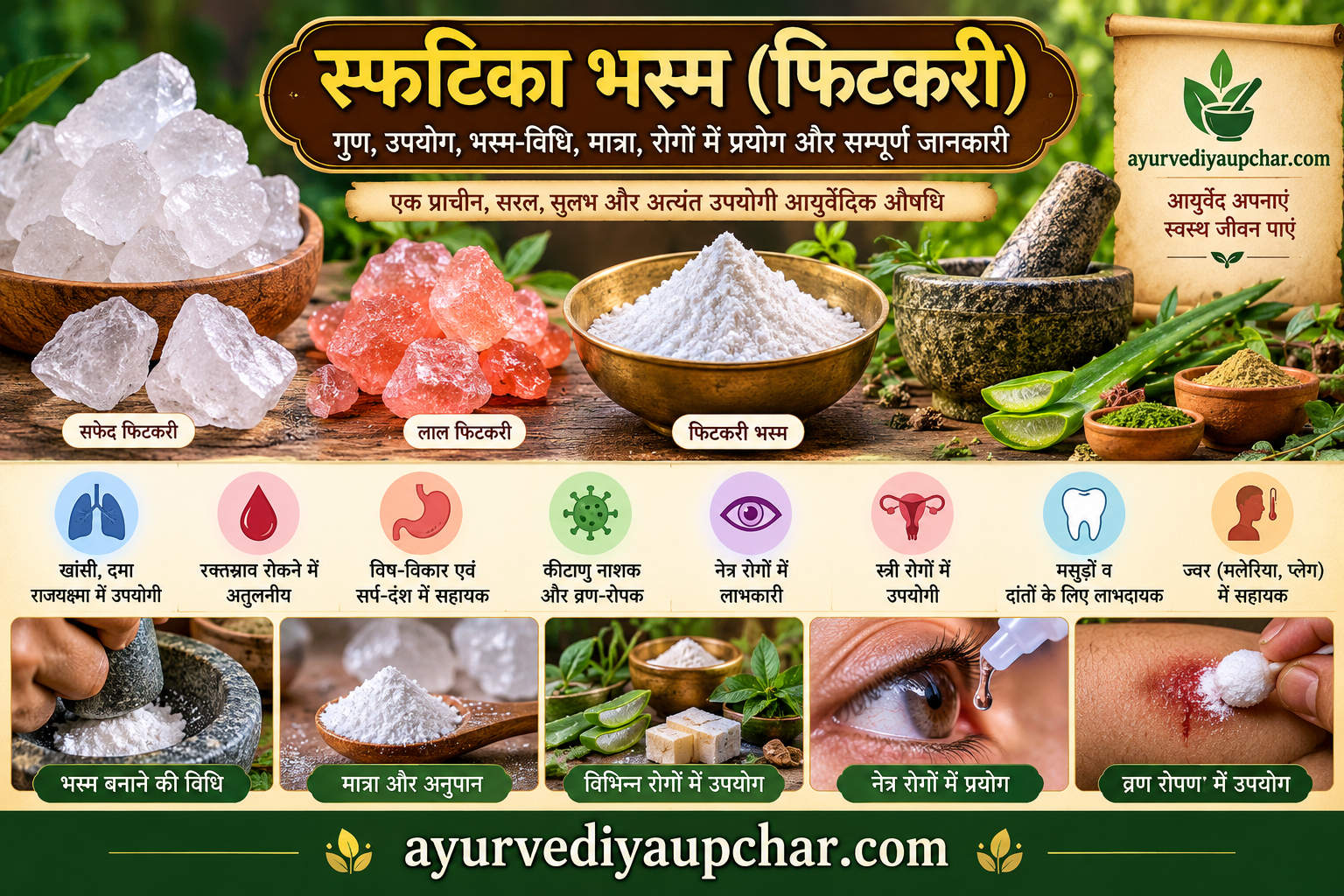
स्फटिका भस्म (फिटकरी): परिचय, पारंपरिक आयुर्वेदिक गुण, उपयोग एवं सावधानियाँ
AYURVEDIYAUPCHAR
At AyurvediyaUpchar, we bring you a carefully selected range of quality Masala & Spices and Natural Products for your everyday needs. From Haldi and Red Chilli Powder to Neem, Amla, Moringa and other natural powders, our products are selected with a focus on quality, convenience and everyday use. Explore our products and informative blog resources for simple ideas, traditional knowledge and a more natural lifestyle.
आयुर्वेदीय उपचार में हम आपके दैनिक उपयोग के लिए गुणवत्तापूर्ण मसाले, स्पाइसेज़ और प्राकृतिक उत्पादों की चुनिंदा रेंज उपलब्ध कराने का प्रयास करते हैं। हल्दी और लाल मिर्च पाउडर से लेकर नीम, आंवला, मोरिंगा और अन्य प्राकृतिक पाउडर तक, हमारे उत्पादों का चयन गुणवत्ता, उपयोगिता और सुविधा को ध्यान में रखकर किया जाता है। हमारे उत्पादों के साथ-साथ जानकारीपूर्ण ब्लॉग का भी आनंद लें, जहाँ आपको पारंपरिक ज्ञान, उपयोगी जानकारी और प्राकृतिक जीवनशैली से जुड़े विषय मिलेंगे।

About AyurvediyaUpchar.com
Welcome to AyurvediyaUpchar.com, an Indian online platform offering Natural Products, Masala & Spices, and selected everyday wellness products. We aim to bring carefully selected products inspired by traditional Indian knowledge and everyday needs, with a focus on quality, transparency, and customer trust.
Our Mission
At AyurvediyaUpchar.com, our aim is to make quality natural products and everyday spices easily accessible through a simple and reliable online shopping experience. We focus on providing clear product information and building a trusted relationship with our customers.
What We Offer
Natural Products – Neem Powder, Moringa Powder, Amla Powder, Tulsi Powder and other selected natural products.
Masala & Spices – Haldi, Mirchi and other everyday spices and masala products.
Selected Wellness Products – Carefully selected products for everyday lifestyle and wellness needs.
Marketplace Products – Products from selected sellers may also be available on our platform.
Informative Blog – Articles covering Ayurveda, natural ingredients, traditional knowledge, nutrition, spices, wellness and healthy lifestyle.
Why Choose Us?
✔ Quality Focus – We focus on carefully selected products and clear product information.
✔ Product Transparency – Important product details are provided wherever applicable.
✔ Natural & Traditional Products – Explore products based on natural ingredients and traditional Indian knowledge.
✔ Secure Shopping – Convenient online ordering and secure payment options.
✔ Reliable Support – Customer support for orders, products, shipping, returns and general queries.
At AyurvediyaUpchar.com, we believe in combining traditional Indian knowledge with modern shopping convenience to offer products for everyday needs.
Natural Products • Masala & Spices • Everyday Wellness
For any queries, contact us at:
Email: ayurvediyaupchar@gmail.com
Phone/WhatsApp: +91 96172 28848
RIDANYA ENTERPRISES
Creatives Heights, 2nd Floor, 204, E8, Arera Colony,
Bhopal, Madhya Pradesh – 462016, India.