

Vitamin B12 Deficiency: 10 Warning Signs, Causes, Symptoms, Diagnosis and Treatment
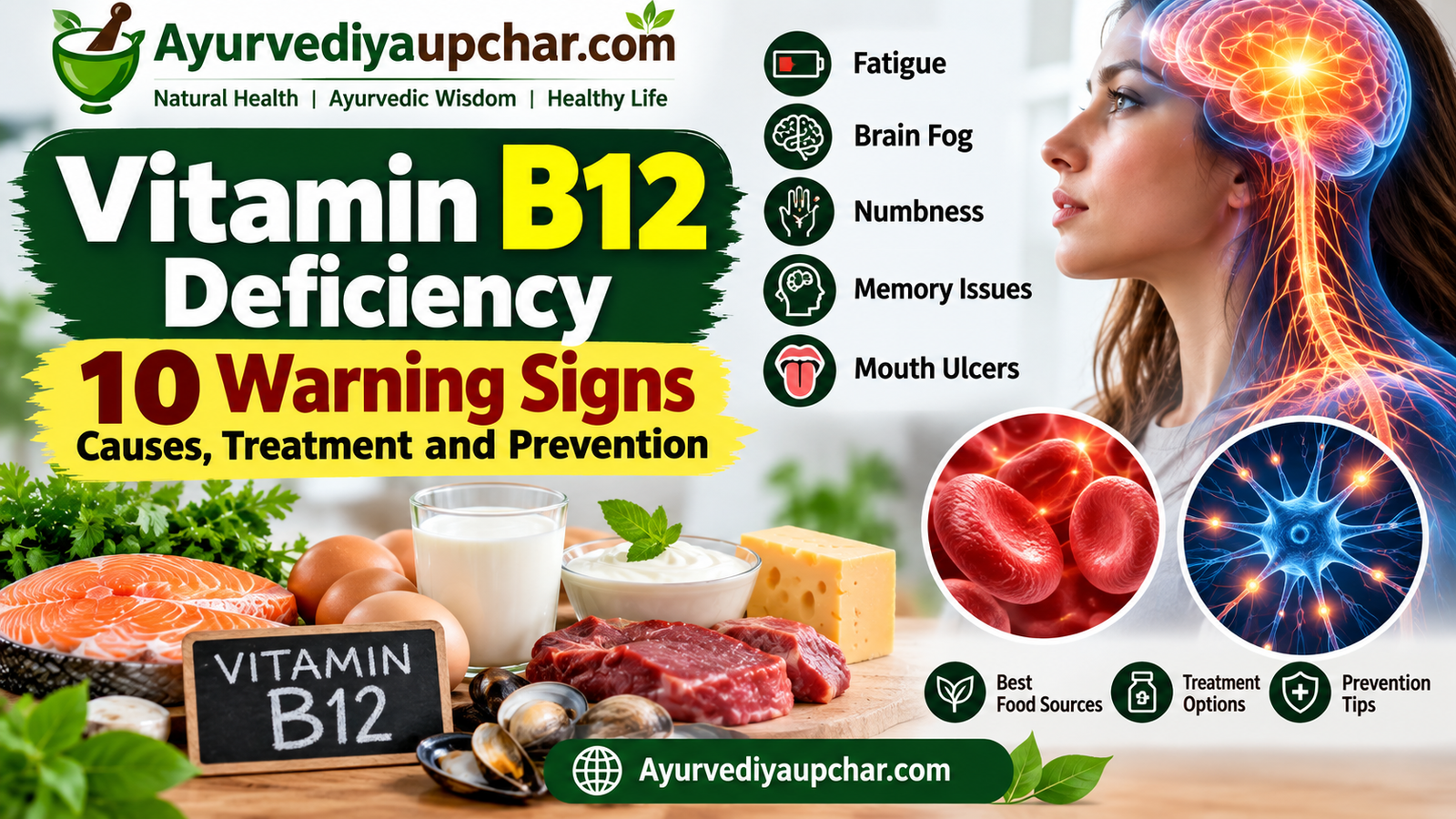
Vitamin B12 is an essential nutrient that plays an important role in maintaining healthy blood cells, supporting the nervous system, and helping the body produce DNA. When your body does not get enough vitamin B12 or cannot absorb it properly, you may develop a condition known as vitamin B12 deficiency.
Many people do not recognize the early warning signs because symptoms can develop gradually. Persistent fatigue, weakness, numbness in the hands and feet, memory problems, and difficulty maintaining balance may sometimes be associated with low vitamin B12 levels.
Vitamin B12 deficiency can affect people of different ages. However, older adults, vegetarians, vegans, and people with certain digestive conditions may have a higher risk.
In this guide, you will learn about 10 common symptoms of vitamin B12 deficiency, its possible causes, risk factors, blood tests, treatment options, and foods that can help maintain healthy vitamin B12 levels.
What Is Vitamin B12 Deficiency?
Vitamin B12, also called cobalamin, is a water-soluble vitamin that your body needs for several important functions.
It helps your body:
Produce healthy red blood cells.
Maintain normal nerve function.
Support DNA production.
Maintain healthy brain function.
Prevent certain types of anemia.
Your body cannot produce vitamin B12 on its own. You must obtain it through foods, fortified products, or dietary supplements.
When your body does not receive or absorb enough vitamin B12, a deficiency may develop. If left untreated, it can lead to megaloblastic anemia and potentially serious neurological complications.
According to the National Institutes of Health (NIH), vitamin B12 deficiency can affect the nervous system even when a person does not have anemia.
10 Common Warning Signs of Vitamin B12 Deficiency
Vitamin B12 deficiency symptoms may develop slowly over several months or years. Some symptoms may initially appear mild but can become more noticeable over time.
Here are 10 warning signs you should know.
1. Constant Fatigue and Weakness
Persistent tiredness is one of the common symptoms associated with vitamin B12 deficiency.
Vitamin B12 helps your body produce healthy red blood cells. These cells carry oxygen throughout your body. When vitamin B12 levels become too low, red blood cell production may be affected.
This can contribute to megaloblastic anemia, which may cause:
Feeling tired even after getting enough sleep.
Low energy throughout the day.
Physical weakness.
Difficulty completing everyday activities.
Reduced exercise tolerance.
However, fatigue can have many causes, including sleep disorders, thyroid conditions, iron deficiency, and other health problems.
2. Numbness and Tingling in the Hands and Feet
Vitamin B12 supports the normal functioning of your nervous system.
When vitamin B12 levels are too low, nerve damage may develop. This can cause unusual sensations in different parts of the body.
Common symptoms include:
Tingling in the fingers.
Numbness in the toes.
Burning sensations in the feet.
Pins-and-needles sensations.
Reduced sensitivity to touch.
Persistent numbness or tingling should be evaluated by a healthcare professional because untreated neurological complications may become permanent.
3. Memory Problems and Brain Fog
Vitamin B12 plays an important role in maintaining normal nervous system function.
Some people with vitamin B12 deficiency may experience changes in memory, concentration, and mental clarity.
Possible symptoms include:
Difficulty remembering information.
Trouble concentrating.
Confusion.
Reduced mental clarity.
Difficulty understanding information.
These symptoms can also occur with many other conditions. A proper medical evaluation is necessary to identify the underlying cause.
4. Pale or Yellowish Skin
Vitamin B12 deficiency can interfere with normal red blood cell development.
In some cases, this may lead to megaloblastic anemia. People with anemia may notice that their skin looks unusually pale.
Some individuals may also develop a yellowish appearance due to increased breakdown of abnormal red blood cells.
Yellowing of the skin or eyes is known as jaundice and should be medically evaluated because it can have several possible causes.
5. Shortness of Breath
People who develop anemia due to vitamin B12 deficiency may experience shortness of breath.
This happens because the blood may not carry oxygen as efficiently as it normally should.
Possible symptoms include:
Breathlessness during physical activity.
Feeling unusually tired while walking.
Difficulty climbing stairs.
Increased heartbeat.
Reduced exercise tolerance.
Sudden or severe breathing difficulty requires immediate medical attention.
6. Dizziness and Balance Problems
Vitamin B12 deficiency can affect the nerves responsible for movement, coordination, and balance.
Some individuals may experience:
Dizziness.
Difficulty walking steadily.
Loss of balance.
Poor coordination.
Increased risk of falls.
Balance problems are particularly important to evaluate in older adults because they can increase the risk of injuries.
7. Sore Tongue and Mouth Ulcers
Vitamin B12 deficiency may affect the tissues inside the mouth.
Some people develop glossitis, a condition involving inflammation of the tongue.
Common symptoms include:
A red or swollen tongue.
Tongue soreness.
Burning sensations in the mouth.
Mouth ulcers.
Changes in taste.
These symptoms may also occur due to other nutritional deficiencies or oral health conditions.
8. Mood Changes and Depression-Like Symptoms
Vitamin B12 is important for normal nervous system function.
Some individuals with a deficiency may experience mood-related changes, including:
Irritability.
Low mood.
Anxiety symptoms.
Difficulty concentrating.
Changes in behavior.
However, mood changes alone cannot confirm vitamin B12 deficiency. A healthcare professional can help determine whether testing is appropriate.
9. Vision Problems
In some cases, vitamin B12 deficiency can affect the optic nerve, which carries visual information from the eyes to the brain.
Possible symptoms include:
Blurred vision.
Changes in visual clarity.
Difficulty seeing clearly.
Sudden vision loss or significant visual changes require urgent medical evaluation.
10. Heart Palpitations
Vitamin B12 deficiency-related anemia may cause the heart to work harder to deliver oxygen throughout the body.
Some people may experience:
A racing heartbeat.
Noticeable heartbeats.
Unusual tiredness.
Breathlessness.
Weakness during physical activity.
Frequent or severe heart palpitations should be assessed by a healthcare professional.
What Causes Vitamin B12 Deficiency?
Vitamin B12 deficiency can develop for several reasons. It is not always caused by poor dietary habits.
1. Insufficient Vitamin B12 in the Diet
Vitamin B12 is naturally present mainly in animal-based foods.
People who follow strict vegan diets without consuming fortified foods or appropriate supplements may be at increased risk.
2. Pernicious Anemia
Pernicious anemia is an autoimmune condition that affects the body's ability to absorb vitamin B12.
Your stomach normally produces a protein called intrinsic factor, which helps your body absorb vitamin B12.
In pernicious anemia, the immune system attacks cells involved in producing intrinsic factor, making vitamin B12 absorption difficult.
3. Digestive System Problems
Certain digestive conditions can interfere with vitamin B12 absorption.
Examples include:
Crohn's disease.
Celiac disease.
Atrophic gastritis.
Certain intestinal disorders.
4. Certain Medications
Some medications may affect vitamin B12 absorption.
Examples include:
Metformin, commonly prescribed for type 2 diabetes.
Proton pump inhibitors (PPIs), used to reduce stomach acid.
Certain other acid-reducing medications.
People taking these medications for extended periods should discuss possible vitamin B12 monitoring with their healthcare provider.
Do not stop prescribed medication without medical advice.
5. Stomach or Intestinal Surgery
People who have undergone certain stomach or intestinal surgeries may have difficulty absorbing vitamin B12.
Procedures that remove or bypass parts of the stomach or small intestine can increase the risk of deficiency.
Who Is at Higher Risk of Vitamin B12 Deficiency?
Some people have a greater risk of developing vitamin B12 deficiency.
These include:
Adults over 60 years of age.
People following strict vegan diets.
Individuals with pernicious anemia.
People with certain digestive disorders.
Individuals who have undergone gastrointestinal surgery.
People taking certain medications for extended periods.
Having one or more risk factors does not necessarily mean that someone has a deficiency.
How Is Vitamin B12 Deficiency Diagnosed?
Vitamin B12 deficiency cannot be reliably diagnosed through symptoms alone.
A healthcare professional may recommend blood tests based on your symptoms, medical history, and risk factors.
1. Complete Blood Count (CBC)
A CBC measures different components of your blood, including:
Red blood cells.
White blood cells.
Hemoglobin.
Hematocrit.
Mean corpuscular volume (MCV).
It can help identify anemia and changes in red blood cell size.
2. Serum Vitamin B12 Test
This blood test measures the amount of vitamin B12 circulating in your blood.
The result is interpreted using the laboratory's reference range and your clinical condition.
3. Methylmalonic Acid (MMA) Test
A methylmalonic acid test may help clarify vitamin B12 status when the initial blood test result is uncertain.
Higher MMA levels can support a diagnosis of vitamin B12 deficiency. However, kidney function can also affect MMA levels.
4. Intrinsic Factor Antibody Test
If pernicious anemia is suspected, your healthcare provider may recommend an intrinsic factor antibody test.
This can help identify an autoimmune cause of vitamin B12 deficiency.
5. Additional Tests
Depending on the suspected cause, your healthcare provider may recommend:
Folate testing.
Additional blood tests.
Tests for underlying digestive conditions.
Other nutritional assessments.
It is important to discuss testing with a healthcare professional rather than interpreting individual test results without medical guidance.
Vitamin B12 Deficiency Treatment
Treatment depends on the cause and severity of the deficiency.
The two commonly used approaches are oral vitamin B12 supplements and vitamin B12 injections.
1. Vitamin B12 Supplements
Oral vitamin B12 supplements may be recommended when dietary intake is insufficient or when oral treatment is suitable for the underlying condition.
Vitamin B12 is available in different forms, including cyanocobalamin and methylcobalamin.
The appropriate dose depends on individual needs and medical advice.
2. Vitamin B12 Injections
Vitamin B12 injections may be recommended for people who have absorption problems or certain neurological symptoms.
A healthcare professional decides the treatment schedule according to the underlying cause and clinical condition.
3. Treating the Underlying Cause
If the deficiency is related to an autoimmune condition, digestive disorder, or medication, the underlying cause also needs attention.
Some people require long-term or lifelong vitamin B12 replacement.
Do not start high-dose supplements or injections without appropriate medical guidance.
Best Foods Rich in Vitamin B12
Diet can play an important role in maintaining healthy vitamin B12 levels.
The following foods naturally contain vitamin B12.
| Food | Vitamin B12 Information |
|---|---|
| Clams | One of the richest sources |
| Beef liver | Very rich source |
| Salmon | Good source |
| Tuna | Good source |
| Beef | Contains vitamin B12 |
| Chicken | Contains vitamin B12 |
| Eggs | Contains vitamin B12 |
| Milk | Contains vitamin B12 |
| Yogurt | Contains vitamin B12 |
| Cheese | Contains vitamin B12 |
Vegetarian and Vegan Sources of Vitamin B12
People following vegetarian or vegan diets should pay attention to their vitamin B12 intake.
Useful options include:
Vitamin B12-fortified breakfast cereals.
Fortified soy milk.
Fortified almond milk.
Fortified nutritional yeast.
Other foods specifically fortified with vitamin B12.
Always check Nutrition Facts labels because not all plant-based products contain added vitamin B12.
Unfortified fruits, vegetables, nuts, seeds, and ordinary spices are not reliable natural sources of vitamin B12.
How Much Vitamin B12 Do Adults Need?
According to the US National Institutes of Health, the recommended daily intake for most adults is 2.4 micrograms (mcg).
| Age or Life Stage | Recommended Daily Intake |
|---|---|
| Adults aged 19 and above | 2.4 mcg |
| Pregnant women | 2.6 mcg |
| Breastfeeding women | 2.8 mcg |
These values represent recommended dietary intake, not treatment doses for an existing deficiency.
People with absorption problems may require a different treatment approach.
Can Vitamin B12 Deficiency Be Prevented?
Some cases of vitamin B12 deficiency can be prevented through appropriate dietary choices and medical monitoring.
Consider the following practices:
Include vitamin B12-rich foods in your diet.
Choose fortified foods when appropriate.
If you follow a vegan diet, discuss reliable B12 supplementation with a healthcare professional.
Do not ignore persistent fatigue or unexplained numbness.
Discuss long-term medication use with your healthcare provider.
Follow recommended blood testing if you have relevant risk factors.
Seek medical advice if you have digestive conditions that may affect nutrient absorption.
Prevention depends on identifying the reason for low vitamin B12 levels.
When Should You See a Doctor?
Consult a healthcare professional if you experience persistent symptoms such as:
Unexplained tiredness.
Tingling or numbness in the hands and feet.
Memory or concentration difficulties.
Persistent mouth or tongue soreness.
Balance or walking problems.
Unexplained weakness.
Early diagnosis and treatment are important because prolonged vitamin B12 deficiency can sometimes cause lasting nerve damage.
Sudden vision loss, severe breathing difficulty, fainting, or serious neurological symptoms require urgent medical assessment.
Frequently Asked Questions About Vitamin B12 Deficiency
1. What are the first signs of vitamin B12 deficiency?
Early symptoms may include tiredness, weakness, tingling sensations, memory difficulties, and a sore tongue. Symptoms vary between individuals.
2. Can vitamin B12 deficiency cause hair loss?
Vitamin B12 deficiency is not an established direct cause of hair loss in every person. Hair loss has many possible causes, including other nutritional deficiencies, hormonal conditions, and genetics.
3. How long does it take to recover from vitamin B12 deficiency?
Recovery time varies depending on the severity of the deficiency, its cause, and the treatment used. Some symptoms may improve within weeks, while neurological problems can take longer and may not completely resolve.
4. Which foods contain the most vitamin B12?
Clams and beef liver are among the richest sources. Fish, meat, eggs, milk, and dairy products also contain vitamin B12.
5. Can vegetarians develop vitamin B12 deficiency?
Yes. People who do not consume sufficient animal-based foods may be at increased risk, particularly if they do not use fortified foods or appropriate supplements.
6. Can vitamin B12 deficiency affect the brain?
Yes. Vitamin B12 deficiency can affect the nervous system and may contribute to memory difficulties, confusion, concentration problems, and other neurological symptoms.
7. Is vitamin B12 deficiency dangerous?
Untreated vitamin B12 deficiency can cause anemia and neurological complications. Some nerve-related damage may become permanent if treatment is delayed.
8. Can vitamin B12 deficiency occur without anemia?
Yes. Neurological symptoms can occur even when a person does not have anemia or enlarged red blood cells.
9. Which blood test confirms vitamin B12 deficiency?
A serum vitamin B12 blood test is commonly used. Depending on the result and symptoms, a healthcare professional may recommend methylmalonic acid testing or additional investigations.
10. Do vitamin B12 supplements work for everyone?
Treatment effectiveness depends on the cause of the deficiency. Oral supplements may work for some people, while others may need injections because of absorption problems or clinical symptoms.
Conclusion
Vitamin B12 is essential for healthy blood cells, normal nerve function, and DNA production. A deficiency can develop because of inadequate dietary intake, absorption problems, autoimmune conditions, or certain medications.
Persistent fatigue, numbness, tingling, memory difficulties, and balance problems should not be ignored.
The best approach is to identify the underlying cause through appropriate medical evaluation and follow a treatment plan recommended by a healthcare professional.
A balanced diet, fortified foods, appropriate supplementation when needed, and timely medical attention can help maintain healthy vitamin B12 levels.
Medical Disclaimer: This article is intended for general educational purposes only. It does not replace professional medical advice, diagnosis, or treatment. Always consult a qualified healthcare professional before starting supplements, injections, or changing prescribed medication.
Recent Posts

Vitamin B12 Deficiency: 10 Warning Signs, Causes, Symptoms, Diagnosis and Treatment
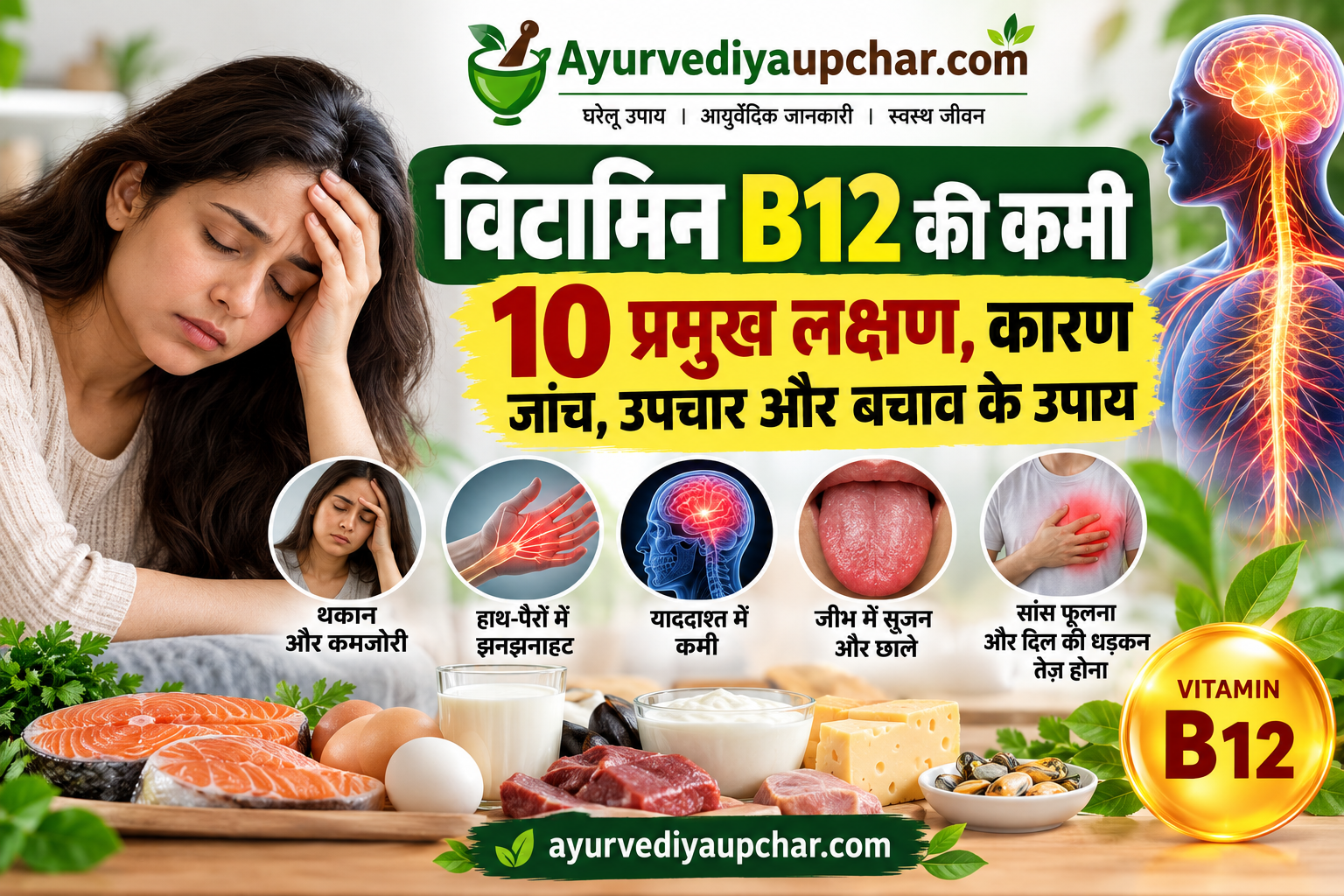
विटामिन B12 की कमी: 10 प्रमुख लक्षण, कारण, जांच, उपचार और बचाव के उपाय
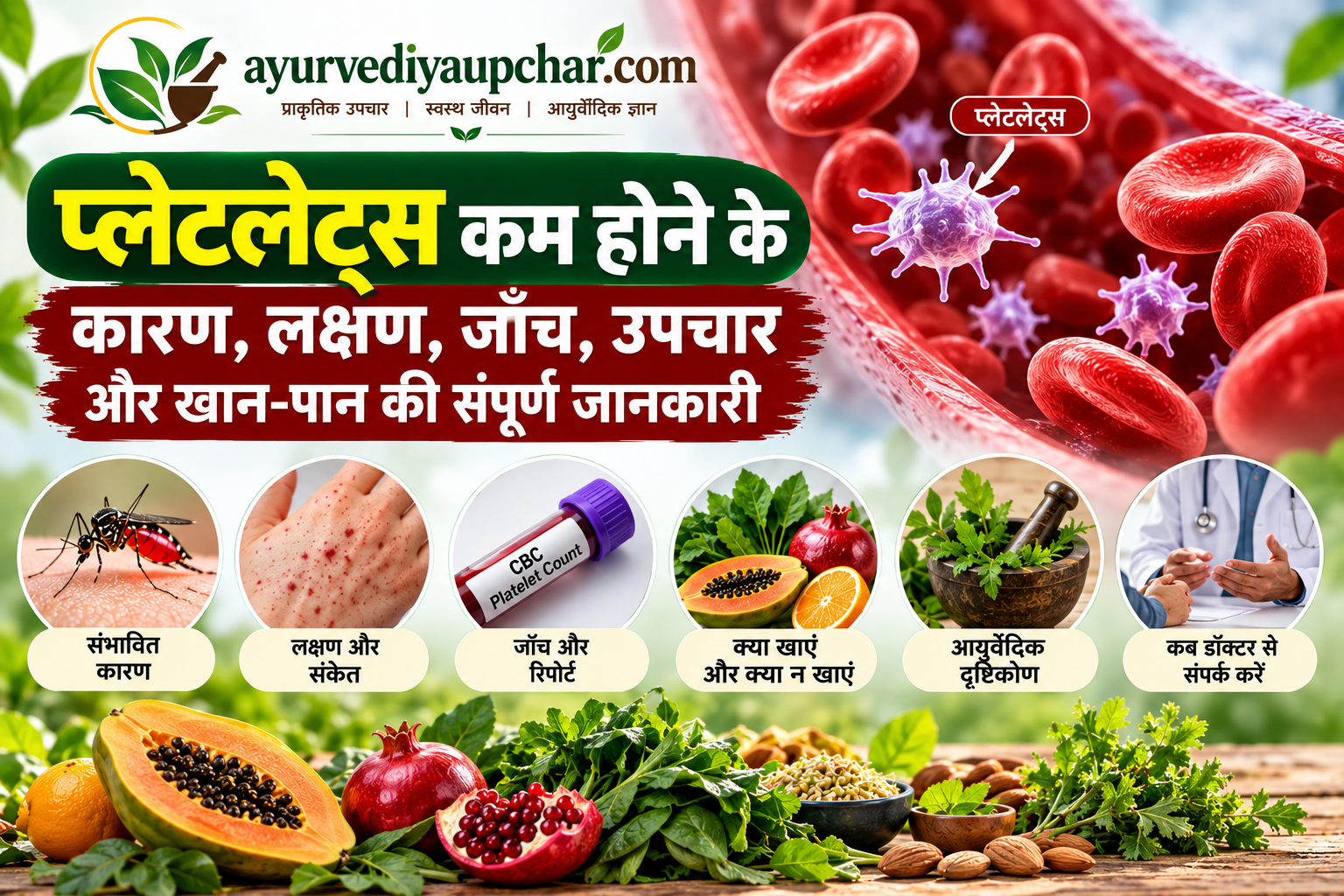
प्लेटलेट्स कम होने के कारण, लक्षण, उपचार और खान-पान: Low Platelet Count की संपूर्ण जानकारी

श्रृंग भस्म (Shringa Bhasma): परिचय, पारंपरिक निर्माण विधि, गुण, उपयोग और सावधानियाँ

लाल मिर्च के फायदे, उपयोग और गुण: भारतीय रसोई में लाल मिर्च पाउडर का महत्व

हल्दी के फायदे, उपयोग और गुण: भारतीय रसोई में हल्दी का महत्व और सही हल्दी पाउडर कैसे चुनें?

Turmeric Benefits: Nutrition, Uses, Recipes & How to Choose Quality Turmeric Powder
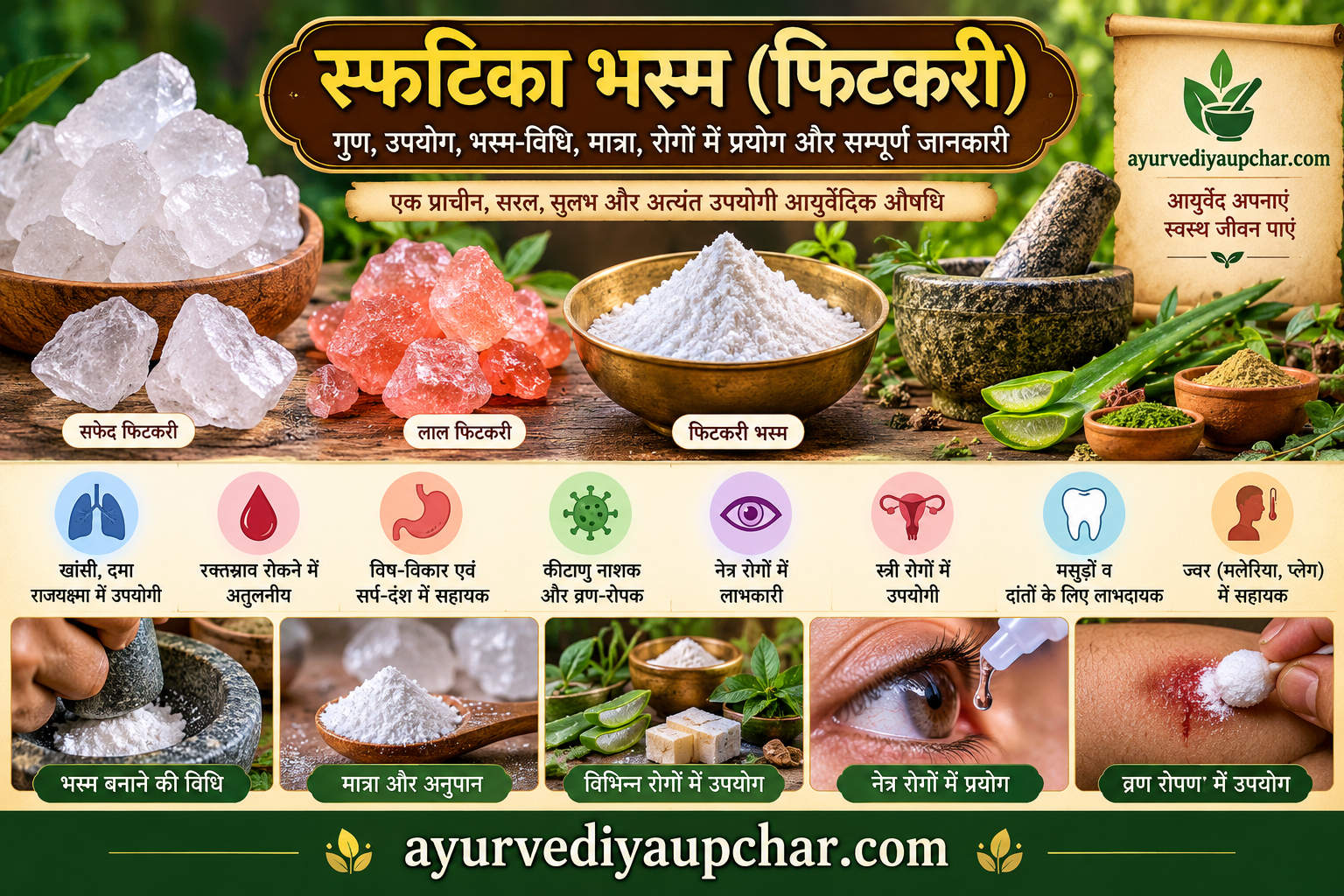
स्फटिका भस्म (फिटकरी): परिचय, पारंपरिक आयुर्वेदिक गुण, उपयोग एवं सावधानियाँ
AYURVEDIYAUPCHAR
At AyurvediyaUpchar, we bring you a carefully selected range of quality Masala & Spices and Natural Products for your everyday needs. From Haldi and Red Chilli Powder to Neem, Amla, Moringa and other natural powders, our products are selected with a focus on quality, convenience and everyday use. Explore our products and informative blog resources for simple ideas, traditional knowledge and a more natural lifestyle.
आयुर्वेदीय उपचार में हम आपके दैनिक उपयोग के लिए गुणवत्तापूर्ण मसाले, स्पाइसेज़ और प्राकृतिक उत्पादों की चुनिंदा रेंज उपलब्ध कराने का प्रयास करते हैं। हल्दी और लाल मिर्च पाउडर से लेकर नीम, आंवला, मोरिंगा और अन्य प्राकृतिक पाउडर तक, हमारे उत्पादों का चयन गुणवत्ता, उपयोगिता और सुविधा को ध्यान में रखकर किया जाता है। हमारे उत्पादों के साथ-साथ जानकारीपूर्ण ब्लॉग का भी आनंद लें, जहाँ आपको पारंपरिक ज्ञान, उपयोगी जानकारी और प्राकृतिक जीवनशैली से जुड़े विषय मिलेंगे।

About AyurvediyaUpchar.com
Welcome to AyurvediyaUpchar.com, an Indian online platform offering Natural Products, Masala & Spices, and selected everyday wellness products. We aim to bring carefully selected products inspired by traditional Indian knowledge and everyday needs, with a focus on quality, transparency, and customer trust.
Our Mission
At AyurvediyaUpchar.com, our aim is to make quality natural products and everyday spices easily accessible through a simple and reliable online shopping experience. We focus on providing clear product information and building a trusted relationship with our customers.
What We Offer
Natural Products – Neem Powder, Moringa Powder, Amla Powder, Tulsi Powder and other selected natural products.
Masala & Spices – Haldi, Mirchi and other everyday spices and masala products.
Selected Wellness Products – Carefully selected products for everyday lifestyle and wellness needs.
Marketplace Products – Products from selected sellers may also be available on our platform.
Informative Blog – Articles covering Ayurveda, natural ingredients, traditional knowledge, nutrition, spices, wellness and healthy lifestyle.
Why Choose Us?
✔ Quality Focus – We focus on carefully selected products and clear product information.
✔ Product Transparency – Important product details are provided wherever applicable.
✔ Natural & Traditional Products – Explore products based on natural ingredients and traditional Indian knowledge.
✔ Secure Shopping – Convenient online ordering and secure payment options.
✔ Reliable Support – Customer support for orders, products, shipping, returns and general queries.
At AyurvediyaUpchar.com, we believe in combining traditional Indian knowledge with modern shopping convenience to offer products for everyday needs.
Natural Products • Masala & Spices • Everyday Wellness
For any queries, contact us at:
Email: ayurvediyaupchar@gmail.com
Phone/WhatsApp: +91 96172 28848
RIDANYA ENTERPRISES
Creatives Heights, 2nd Floor, 204, E8, Arera Colony,
Bhopal, Madhya Pradesh – 462016, India.