






Anxiety: Causes, Symptoms, Treatment & Ayurvedic Remedies Guide
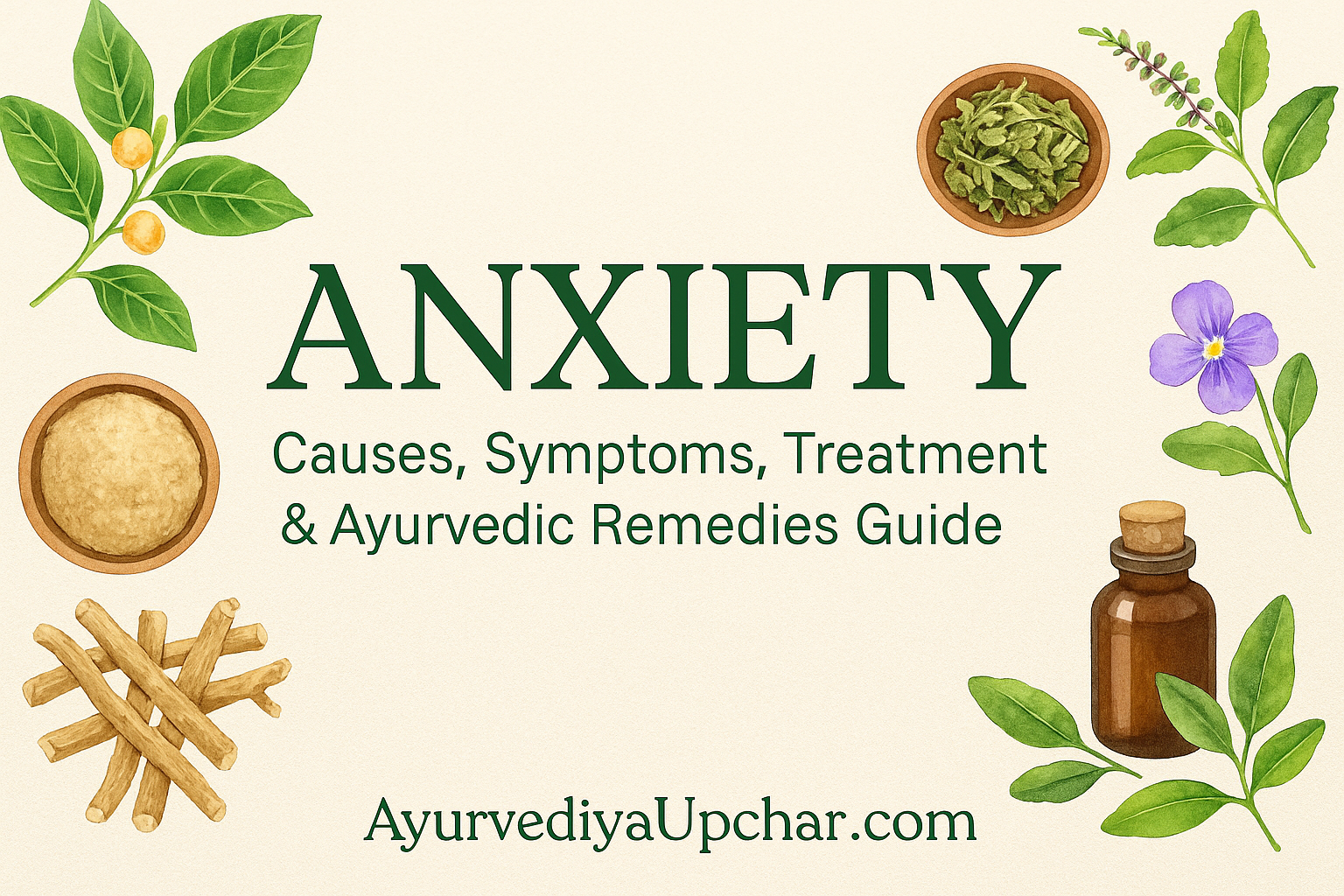
1. Introduction: Understanding Anxiety in the Modern World
Anxiety has become one of the most widespread emotional health challenges in our modern lifestyle. Almost every person experiences anxiety occasionally, but for many, it becomes chronic and interferes with daily life. Fast-paced routines, financial pressure, relationship issues, professional expectations, social media exposure, lack of sleep, and digital overstimulation have all contributed to rising anxiety levels globally.
People describe anxiety as:
-
A restless mind
-
A racing heartbeat
-
An unexplained sense of fear
-
Overthinking everything
-
Feeling like something bad will happen
-
Inability to relax
-
Physical tension and discomfort
Although anxiety is not visible like a physical wound, it deeply affects mental health, emotional stability, and the physical body.
In this comprehensive guide, we will understand anxiety from both a scientific and Ayurvedic perspective, along with treatment options, lifestyle changes, herbs, yoga, and psychological techniques.
2. What Is Anxiety?
In psychology, anxiety is a natural response to stress or fear. It becomes a disorder when:
-
It occurs too frequently
-
It is too intense
-
It lasts for months
-
It affects daily functioning
Anxiety involves:
-
Mental worry
-
Emotional uneasiness
-
Physical tension
-
Hormonal changes
-
Nervous system imbalance
It is NOT just "overthinking."
It is a mind–body disorder involving the nervous system, brain chemistry, hormones, and thought patterns.
3. The Difference Between Stress and Anxiety
Although related, stress and anxiety are not the same.
| Stress | Anxiety |
|---|---|
| Response to an external trigger | Can arise without a trigger |
| Generally short-term | Long-term or chronic |
| Ends when the situation ends | Persists even after event |
| Irritability & tension | Fear, worry & restlessness |
| Normal biological reaction | Becomes disorder when persistent |
Stress is temporary.
Anxiety keeps coming back.
4. Signs & Symptoms of Anxiety
Anxiety symptoms can be psychological, physical, and behavioral.
Psychological Symptoms
-
Excessive worrying
-
Feeling something bad will happen
-
Difficulty concentrating
-
Restlessness
-
Emotional sensitivity
-
Mood swings
-
Fear without reason
-
Racing thoughts
Physical Symptoms
-
Rapid heartbeat
-
Chest tightness
-
Difficulty breathing
-
Sweating
-
Shaking or trembling
-
Dry mouth
-
Nausea or stomach issues
-
Fatigue
-
Dizziness
-
Muscle tension
Behavioral Symptoms
-
Avoiding social situations
-
Difficulty making decisions
-
Poor confidence
-
Insomnia
-
Constant reassurance-seeking
-
Over checking things
-
Light irritability
These symptoms differ from person to person.
5. Types of Anxiety Disorders
There are several types of anxiety disorders recognized in psychology:
1. Generalized Anxiety Disorder (GAD)
Worrying excessively about daily life matters—health, money, work, relationships—without any specific reason.
2. Panic Disorder
Sudden panic attacks with rapid heartbeat, sweating, trembling, and fear of dying.
3. Social Anxiety Disorder
Extreme fear of talking to people, being judged, or attending social gatherings.
4. Specific Phobias
Irrational fear of particular objects or situations such as heights, dogs, water, flying, etc.
5. Health Anxiety
Constantly worrying about diseases, misinterpreting normal sensations as serious illness.
6. OCD (Obsessive-Compulsive Disorder)
Intrusive thoughts + repetitive behaviors such as checking, cleaning, arranging.
7. PTSD (Post-Traumatic Stress Disorder)
Anxiety caused by traumatic situations like accidents, violence, emotional loss, or abuse.
6. Scientific Causes of Anxiety
Anxiety is caused by a combination of biological, psychological, and lifestyle factors.
1. Overactive Nervous System
Constant exposure to stress overactivates the fight-or-flight system.
2. Hormonal Imbalance
Especially cortisol, adrenaline, serotonin, dopamine, and thyroid hormones.
3. Vitamin and Mineral Deficiency
Common deficiencies linked with anxiety:
-
Vitamin B12
-
Vitamin D
-
Magnesium
-
Omega-3 fatty acids
4. Poor Gut Health
Around 70% of serotonin is produced in the gut. An unhealthy gut disrupts brain chemistry.
5. Genetics
Anxiety tends to run in families.
6. Personality Traits
People who are:
-
Highly sensitive
-
Perfectionist
-
Overthinkers
-
Emotionally intense
…are more prone to anxiety.
7. Trauma
Childhood trauma or emotional wounds increase lifelong vulnerability to anxiety.
8. Lifestyle Triggers
-
Caffeine
-
Sugar
-
Fast food
-
Poor sleep
-
Inactive lifestyle
-
Excess screen time
7. What Happens in the Brain During Anxiety?
When anxiety is triggered:
-
The amygdala, the fear center, becomes overactive.
-
The prefrontal cortex, responsible for rational thinking, becomes underactive.
-
The body activates the fight-or-flight response.
-
Cortisol and adrenaline levels rise.
-
The heart beats faster and breathing becomes shallow.
-
Muscles tighten.
-
Thoughts begin to spiral into fear and worry.
That’s why anxiety feels like:
-
Loss of control
-
Mental chaos
-
Physical restlessness
-
Fear without reason
8. Anxiety According to Ayurveda
In Ayurveda, anxiety is primarily a disorder of Vata dosha, specifically Prana Vata, which controls the mind and nervous system.
Ayurvedic Causes of Anxiety
-
Irregular routines
-
Dry, light, cold food
-
Excess traveling
-
Sleeping late
-
Overusing mobile/TV
-
Emotional stress
-
Loneliness
-
Excess thinking and talking
-
Fear and instability
Doshas Involved
-
Vata (main) – instability, restlessness, dryness
-
Pitta (secondary) – irritability, anger
-
Kapha (weak) – low energy, confusion
Ayurveda treats anxiety by balancing the mind, nervous system, and digestive fire (Agni).
9. Ayurvedic Medicines & Herbs for Anxiety (All English Names)
All herbs listed are safe and effective for calming the nervous system.
1. Ashwagandha (Withania Somnifera)
-
Reduces cortisol
-
Promotes calmness
-
Excellent for stress and sleep
2. Brahmi (Bacopa Monnieri)
-
Improves memory
-
Reduces mental fatigue
-
Calms the mind
3. Jatamansi (Nardostachys Jatamansi)
-
Anti-anxiety herb
-
Balances emotions
-
Helps with deep sleep
4. Shankhpushpi (Convolvulus Pluricaulis)
-
Reduces mental overactivity
-
Improves concentration
5. Tagar / Indian Valerian (Valeriana Wallichii)
-
Natural tranquillizer
-
Excellent for insomnia and panic
6. Mandukaparni / Gotu Kola (Centella Asiatica)
-
Improves cognitive function
-
Supports brain health
7. Vacha (Acorus Calamus)
-
Reduces mental dullness
-
Improves clarity
8. Tulsi / Holy Basil (Ocimum Sanctum)
-
Reduces stress hormones
-
Boosts immunity
9. Chamomile (Matricaria Chamomilla)
-
Calms nerves
-
Helps with sleep
10. Lemon Balm (Melissa Officinalis)
-
Mood-enhancer
-
Reduces irritability
11. Passion Flower (Passiflora Incarnata)
-
Strong anti-anxiety herb
-
Good for panic disorder
10. Ayurvedic Formulations (Ready-to-Use Medicines)
1. Ashwagandha Capsules
2. Brahmi Capsules
3. Jatamansi Capsules
4. Shankhpushpi Syrup
5. Tagar Tablets
6. Medha Vati
7. Saraswatarishta
8. Brahmi Ghrita
9. Manas Mitra Vatakam
10. Stress Relief Rasayan
(For strong medicines like Sarpagandha, guidance is required.)
11. Ayurvedic Therapies for Anxiety
1. Shirodhara
Warm medicated oil poured on the forehead relaxes the nervous system instantly.
2. Abhyanga (Oil Massage)
Balances Vata and releases muscle tension.
3. Nasya
Herbal oils administered through the nose strengthen the brain and memory.
4. Takradhara
Cooling buttermilk therapy for mental relaxation.
5. Panchakarma Detox
Cleanses toxins and improves mental clarity.
12. Lifestyle Changes for Anxiety-Free Living
1. Maintain a Stable Routine
The nervous system calms when life is predictable.
2. Balanced Diet
Eat warm, nourishing foods:
-
Ghee
-
Rice
-
Dal
-
Oats
-
Soups
-
Nuts
-
Bananas
Avoid cold, dry, packaged, and processed foods.
3. Adequate Sleep
Sleep by 10:30 PM.
Avoid screens before bed.
4. Limit Stimulants
Avoid:
-
Coffee
-
Energy drinks
-
Excess sugar
-
Nicotine
5. Hydration
Drink warm water throughout the day.
6. Grounding Activities
Barefoot walking on grass, sun exposure, and deep breathing.
13. Yoga for Anxiety
Best Yoga Poses
-
Child’s Pose
-
Forward Bend
-
Cat–Cow Pose
-
Bridge Pose
-
Legs Up the Wall
-
Shavasana
Best Breathing Exercises
-
Anulom–Vilom
-
Bhramari
-
4-7-8 Breathing
-
Deep Belly Breathing
These techniques stabilize the nervous system.
14. Psychological Treatments
1. Cognitive Behavioral Therapy (CBT)
Identifies negative thought patterns and replaces them.
2. Mindfulness-Based Stress Reduction
Teaches awareness of present moment.
3. Exposure Therapy
Gently reduces fear-based reactions.
4. Counseling/Talk Therapy
Helps process emotions.
15. Daily Routine (Dinacharya) for Anxiety
Morning
-
Wake early
-
Drink warm water
-
Meditate 5 minutes
-
Light stretching
-
Herbal tea
Afternoon
-
Eat warm lunch
-
Walk for 10–15 minutes
-
Sunlight exposure
Evening
-
Light walk
-
Avoid screen time
Night
-
Light dinner
-
Foot massage with warm oil
-
Slow breathing
-
Sleep on time
16. Diet for Anxiety Relief
Foods to Include
-
Milk with nutmeg
-
Almonds
-
Bananas
-
Ghee
-
Oats
-
Lentils
-
Green vegetables
-
Chamomile tea
-
Herbal teas
Foods to Avoid
-
Cold foods
-
Dry snacks
-
Packaged foods
-
Excess tea/coffee
-
Carbonated drinks
-
Fried food
17. Natural Home Remedies
1. Warm milk with Ashwagandha powder
Promotes relaxation and deep sleep.
2. Chamomile or Lemon Balm tea
Instant calming effect.
3. Coconut oil head massage
Reduces nervous tension.
4. Lavender oil diffuser
Improves sleep quality.
5. Deep breathing 5 minutes daily
Reduces heart palpitations.
18. Long-Term Healing Approach
True recovery requires a combination of:
-
Calming the nervous system
-
Nourishing the brain
-
Healing the gut
-
Balancing hormones
-
Reprogramming thought patterns
-
Practicing grounding activities
-
Adopting a stable routine
When followed consistently, anxiety reduces naturally.
19. Final Conclusion
Anxiety is not a weakness.
It’s not “just in your mind.”
It’s a real condition involving the mind, body, nervous system, and emotions.
The good news:
Anxiety is completely manageable and often fully curable with the right approach.
Ayurveda offers powerful tools to bring balance to the nervous system, while modern psychology provides techniques to restructure thoughts. Meditation, breathing exercises, lifestyle changes, and herbal support together create a holistic healing system.
With patience, consistency, and proper guidance, anyone can overcome anxiety and regain joy, confidence, and peace.
Recent Posts
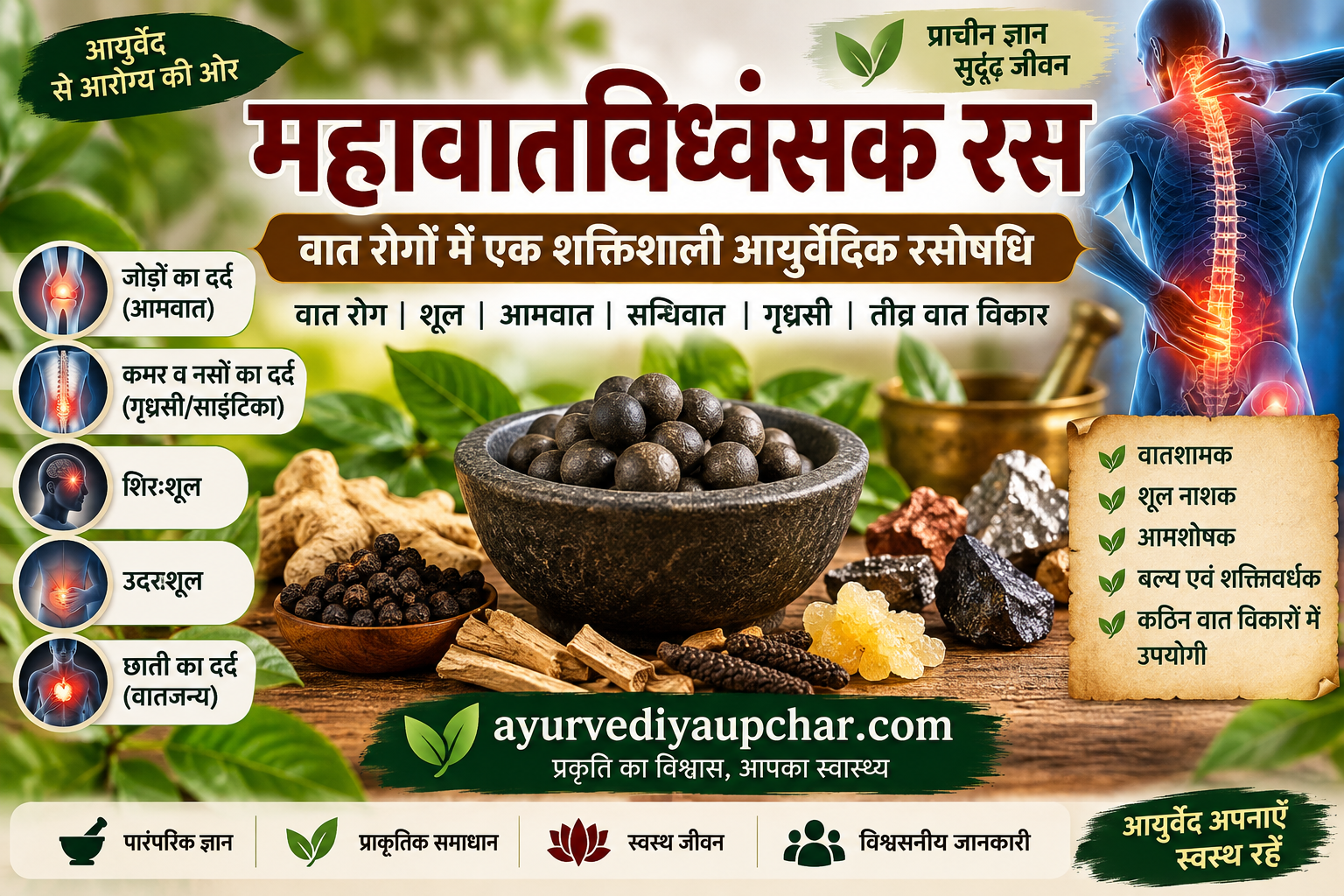
महावातविध्वंसक रस: वात विकारों और तीव्र शूल में पारंपरिक आयुर्वेदिक उपयोग
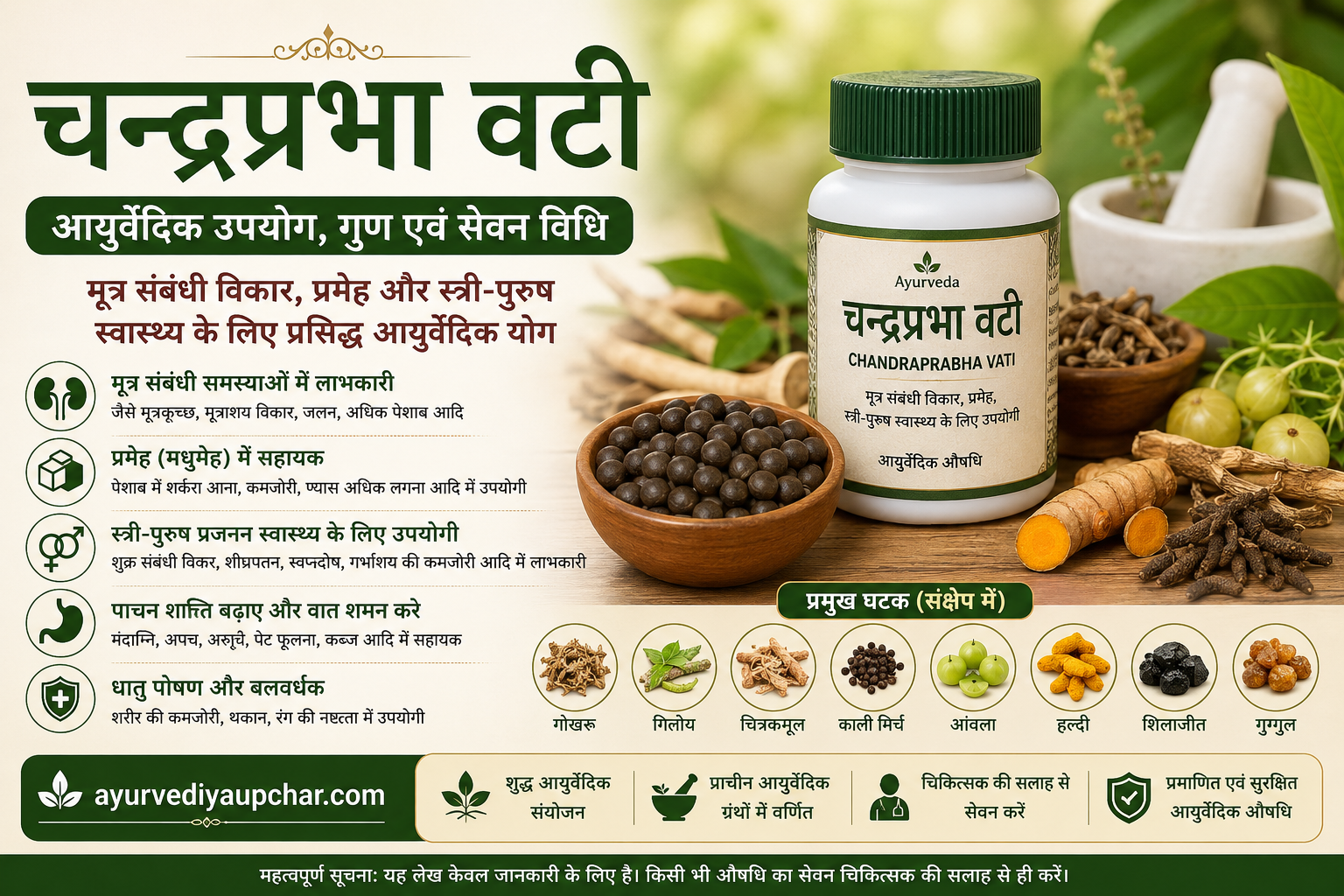
चन्द्रप्रभा वटी: आयुर्वेद में उपयोग, घटक, पारंपरिक गुण और सेवन विधि
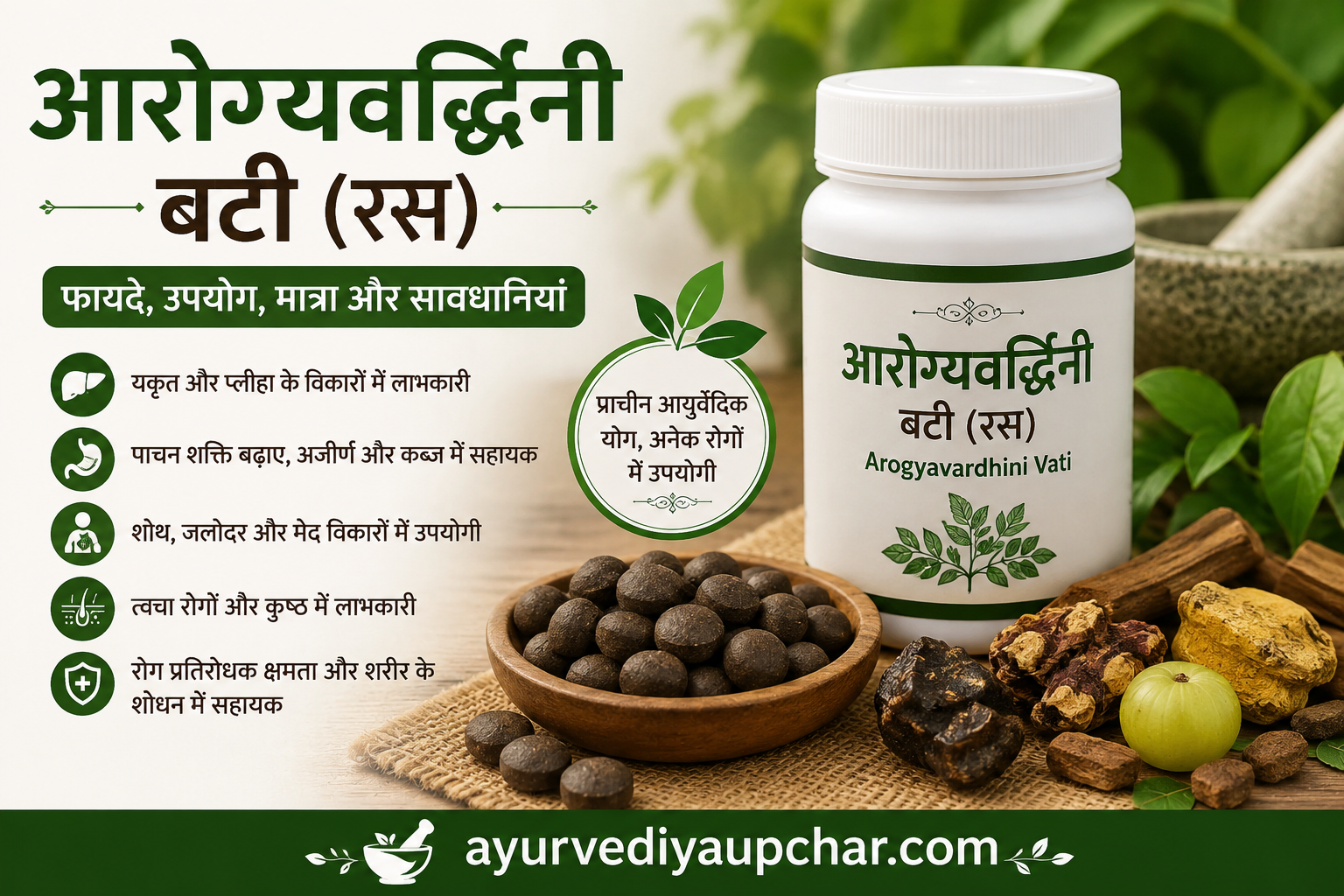
आरोग्यवर्द्धिनी बटी (रस): परिचय, घटक, निर्माण विधि, मात्रा, अनुपान और पारंपरिक उपयोग
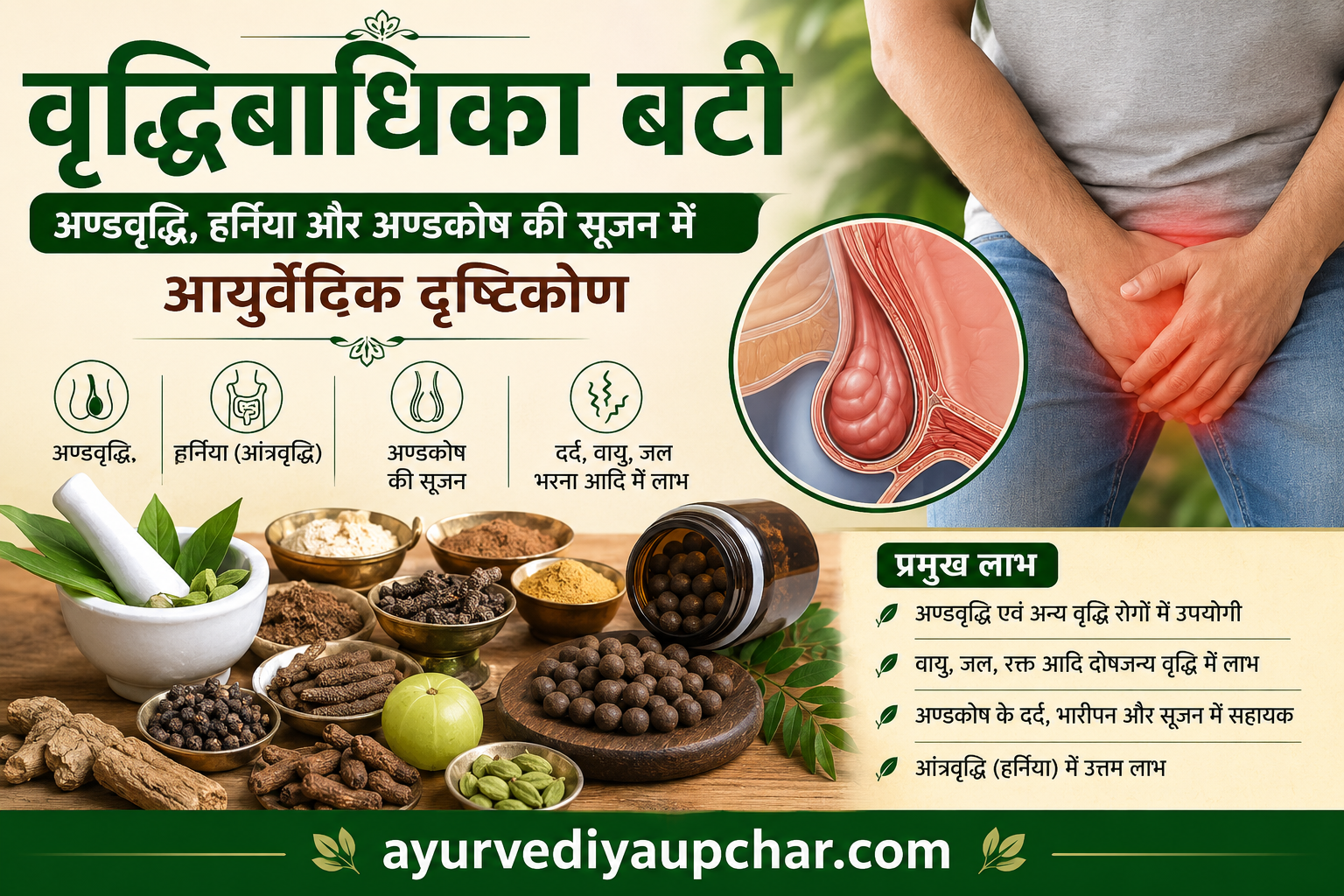
वृद्धिबाधिका बटी: अण्डवृद्धि, अण्डकोष में सूजन और हर्निया के संबंध में आयुर्वेदिक दृष्टिकोण
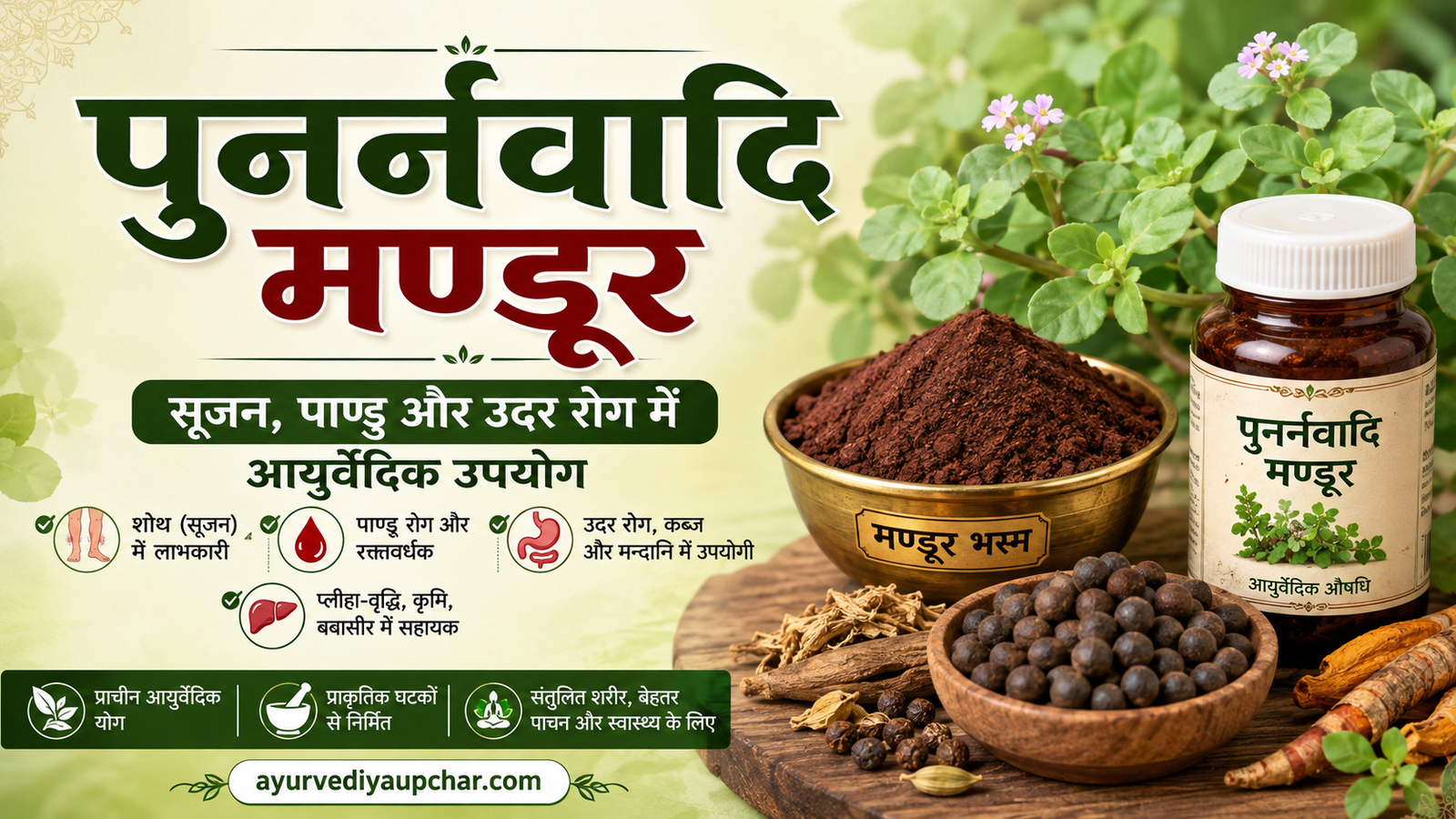
पुनर्नवादि मण्डूर: सूजन, पाण्डु और उदर विकारों में प्रसिद्ध आयुर्वेदिक योग
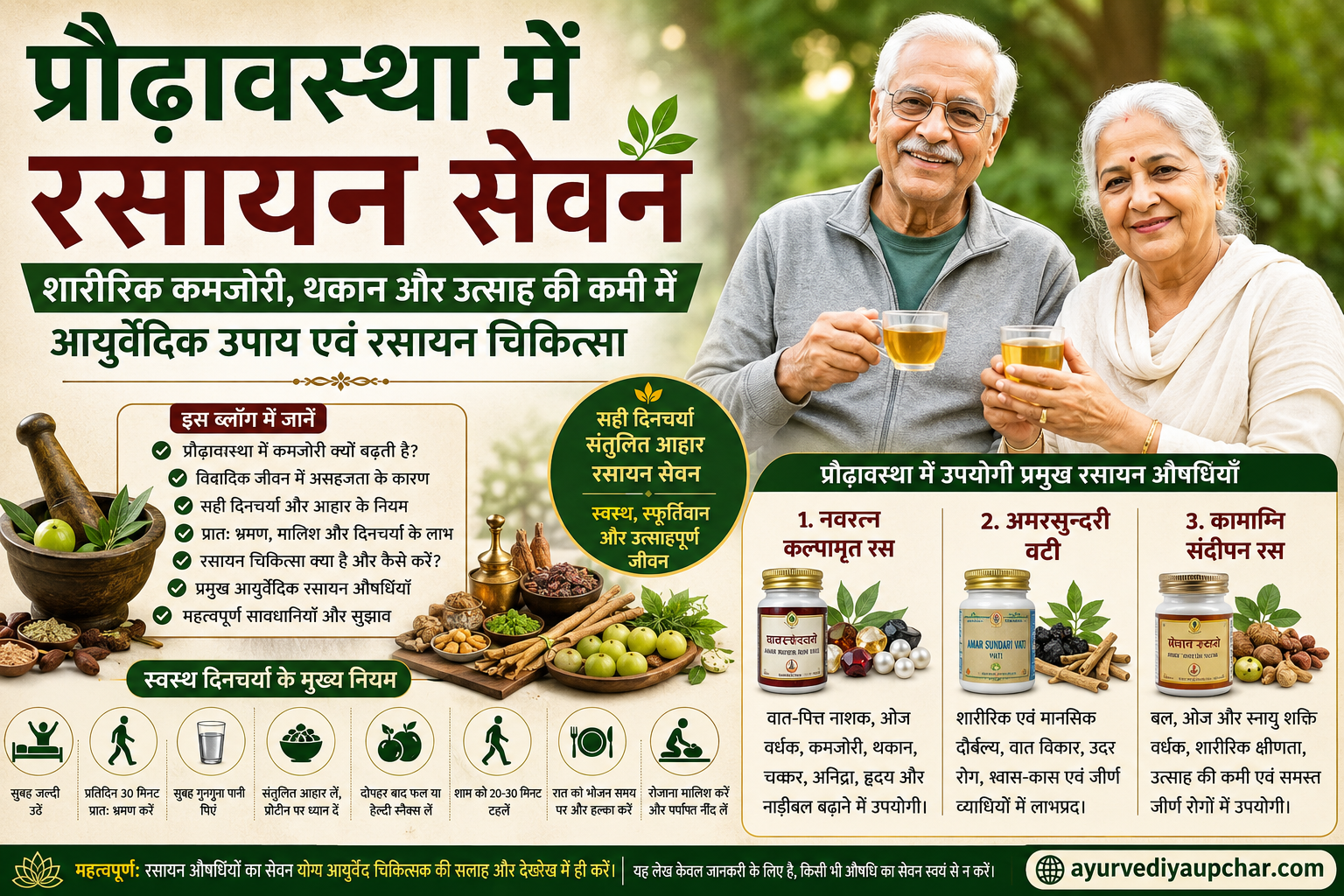
एक आम बीमारी: पेप्टिक अल्सर — कारण, लक्षण, प्रकार, पहचान और उपचार
आयुर्वेदिक उपायों और संतुलित आहार द्वारा कोलेस्ट्रॉल पर नियंत्रण संभव है
AYURVEDIYAUPCHAR
At AyurvediyaUpchar, we are dedicated to bringing you the ancient wisdom of Ayurveda to support your journey toward holistic well-being. Our carefully crafted treatments, products, and resources are designed to balance mind, body, and spirit for a healthier, more harmonious life. Explore our range of services and products inspired by centuries-old traditions for natural healing and wellness.
आयुर्वेदीय उपचार में, हम आपको आयुर्वेद के प्राचीन ज्ञान को समग्र कल्याण की ओर आपकी यात्रा में सहायता करने के लिए समर्पित हैं। हमारे सावधानीपूर्वक तैयार किए गए उपचार, उत्पाद और संसाधन स्वस्थ, अधिक सामंजस्यपूर्ण जीवन के लिए मन, शरीर और आत्मा को संतुलित करने के लिए डिज़ाइन किए गए हैं। प्राकृतिक उपचार और कल्याण के लिए सदियों पुरानी परंपराओं से प्रेरित हमारी सेवाओं और उत्पादों की श्रृंखला का अन्वेषण करें।

About AyurvediyaUpchar.com
Welcome to AyurvediyaUpchar.com, your trusted online destination for authentic Ayurvedic remedies, herbal products, and wellness solutions. We are dedicated to bringing the ancient wisdom of Ayurveda into modern lifestyles through high-quality, natural, and effective products.
Our Mission
At AyurvediyaUpchar.com, we strive to promote holistic health and well-being by providing pure, traditional, and scientifically-backed Ayurvedic treatments. Our goal is to make Ayurveda accessible to everyone, helping people lead a healthier and more balanced life naturally.
What We Offer
✅ Authentic Ayurvedic Medicines – Herbal formulations for various health concerns.
✅ Herbal Supplements – Boost immunity, digestion, and overall wellness.
✅ Personal Care Products – Skincare, haircare, and natural beauty solutions.
✅ Wellness & Lifestyle – Detox, stress relief, and rejuvenation products.
✅ Expert Guidance – Informative blogs, health tips, and personalized Ayurvedic consultation.
Why Choose Us?
✔ 100% Natural & Pure Products – Sourced from the finest herbs and ingredients.
✔ Trusted by Ayurveda Experts – Backed by traditional wisdom & modern research.
✔ Secure Online Shopping – Safe payments and easy checkout.
✔ Nationwide Delivery – Get Ayurveda at your doorstep.
✔ Customer Satisfaction – Dedicated support for your health journey.
Join us in embracing Ayurveda for a healthier, happier, and more natural life!
For any queries, feel free to contact us at Info@ayurvediyaupchar.com