






Best Morning Drinks for Kidney Health: 10 Smart Choices to Support Your Kidneys Naturally

Best Morning Drinks for Kidney Health
Your kidneys are among the hardest-working organs in your body. Every single day, they filter around 50 gallons of blood, remove waste products, balance electrolytes, regulate fluid levels, and help control blood pressure. Because these vital organs work continuously, supporting them through healthy daily habits is one of the smartest investments you can make for your long-term health.
One of the easiest habits to improve is what you drink first thing in the morning.
After 7–8 hours of sleep, your body naturally becomes slightly dehydrated. During the night, you continue to lose fluids through breathing, sweating, and normal body processes. Starting your morning with the right beverage helps restore hydration and supports your kidneys in performing their essential functions efficiently.
Although many products online claim to "detox" or "cleanse" your kidneys instantly, the truth is much simpler. Healthy kidneys naturally filter waste without needing expensive detox drinks. The best morning beverages are those that support hydration, reduce unnecessary sugar intake, and provide nutrients that benefit overall health.
In this guide, we'll explore the 10 best morning drinks for kidney health, explain why they work, and discuss which drinks you should limit.
Why Morning Hydration Matters
Your kidneys rely on adequate water to filter waste products and produce urine. Even mild dehydration can temporarily reduce how efficiently your kidneys perform these tasks.
Good morning hydration may help:
- Maintain healthy urine production
- Support electrolyte balance
- Promote healthy circulation
- Assist in removing metabolic waste
- Reduce the risk of dehydration-related kidney stress
- Support overall energy levels
For most healthy adults, drinking a glass of water shortly after waking is a simple habit that supports overall wellness.
Can Drinks Really Improve Kidney Health?
This is one of the most common questions people ask.
The answer is yes—but with realistic expectations.
No drink can cure chronic kidney disease, reverse kidney damage, or replace medical treatment. However, healthy beverages can support kidney function as part of an overall healthy lifestyle.
Scientific research consistently shows that healthy hydration, blood pressure control, diabetes management, and balanced nutrition play much bigger roles in kidney health than any single "super drink."
Think of morning beverages as one piece of the puzzle—not the entire solution.
What Makes a Drink Kidney-Friendly?
Not every drink marketed as "healthy" actually benefits your kidneys.
The best kidney-friendly drinks usually have these characteristics:
1. Low in Added Sugar
Sugary beverages may contribute to obesity and type 2 diabetes, both of which increase the risk of chronic kidney disease.
2. Supports Hydration
Water-rich beverages help your kidneys maintain healthy filtration and normal urine production.
3. Moderate in Sodium
Excess sodium can raise blood pressure, placing extra strain on your kidneys over time.
4. Rich in Natural Nutrients
Some drinks contain antioxidants, vitamins, and beneficial plant compounds that support overall health.
5. Minimally Processed
Highly processed beverages often contain unnecessary additives, artificial flavors, and large amounts of sugar.
Common Morning Drinks That May Not Be the Best Choice
Many people unknowingly start their day with drinks that contain excessive sugar or caffeine.
These include:
- Sugar-loaded coffee beverages
- Energy drinks
- Regular soda
- Sweetened fruit drinks
- Artificially flavored breakfast beverages
- Sweetened bottled iced tea
Occasionally enjoying these beverages is unlikely to cause problems for healthy individuals, but making them a daily habit may negatively affect long-term health.
Replacing them with healthier alternatives is a simple lifestyle improvement.
Lifestyle Habits That Protect Your Kidneys
Morning drinks are only one part of maintaining healthy kidneys.
Experts also recommend:
- Staying physically active
- Eating plenty of fruits and vegetables
- Limiting processed foods
- Managing blood pressure
- Controlling blood sugar levels
- Avoiding smoking
- Maintaining a healthy body weight
- Drinking enough fluids throughout the day
These habits work together to support kidney function and reduce the risk of chronic kidney disease.
Top 5 Morning Drinks That Support Healthy Kidney Function
In Part 1, we discussed why morning hydration is important and what makes a drink kidney-friendly. Now let's look at the first five beverages that experts generally recommend as part of a healthy lifestyle.
Important: These drinks support overall kidney health but do not cure kidney disease. If you have Chronic Kidney Disease (CKD), are on dialysis, or have been advised to restrict fluids, potassium, or phosphorus, consult your healthcare provider before making dietary changes.
1. Water – The Best Morning Drink for Kidney Health
When it comes to kidney health, nothing beats plain water.
Your kidneys depend on water to remove waste products through urine. Drinking a glass of water after waking helps restore the fluids your body naturally loses overnight.
Benefits of Drinking Water in the Morning
- Supports normal kidney filtration
- Helps maintain healthy urine flow
- Prevents dehydration
- Supports healthy blood circulation
- Helps regulate body temperature
- Promotes overall organ function
Adequate hydration may also reduce the likelihood of concentrated urine, which can contribute to certain types of kidney stones in susceptible individuals.
How Much Water Should You Drink?
Fluid needs vary based on age, climate, activity level, and medical conditions. Most healthy adults should aim for steady hydration throughout the day rather than drinking excessive amounts at once.
A simple habit is to drink one glass of water soon after waking, then continue drinking fluids regularly during the day.
Pro Tip
Keep a reusable water bottle beside your bed so drinking water becomes the first healthy habit of your morning.
2. Lemon Water – A Refreshing Start to the Day
Lemon water has become one of the most popular morning drinks worldwide.
Although it isn't a miracle detox drink, it can be a refreshing way to increase water intake.
Lemons naturally contain vitamin C and citrate. Citrate may help reduce the formation of certain calcium-based kidney stones in some individuals by decreasing crystal formation.
Potential Benefits
- Encourages hydration
- Contains vitamin C
- Provides natural citrate
- May help lower the risk of some kidney stones
- Low in calories when unsweetened
Best Way to Prepare
- 1 glass of water
- Juice from half a fresh lemon
- No added sugar
Drink it fresh in the morning.
Who Should Be Careful?
People with acid reflux, sensitive teeth, or stomach irritation may find lemon water uncomfortable. Using a straw and rinsing your mouth afterward can help protect tooth enamel.
3. Unsweetened Green Tea
Green tea is rich in naturally occurring plant compounds called catechins, which have antioxidant properties.
Antioxidants help protect cells from oxidative stress, an important factor in overall health.
While green tea is not specifically a kidney medicine, replacing sugary drinks with unsweetened green tea can be a healthier choice.
Possible Benefits
- Rich in antioxidants
- Supports overall heart health
- Low in calories
- May improve metabolic health
- Provides gentle caffeine compared with many coffee drinks
How Much Is Appropriate?
For most healthy adults, 1–2 cups daily is generally considered moderate.
Avoid adding large amounts of sugar or flavored syrups.
Who Should Limit Green Tea?
People sensitive to caffeine or those taking certain medications should discuss caffeine intake with their healthcare provider.
4. Black Coffee (In Moderation)
Coffee often gets an unfair reputation.
Research suggests that moderate coffee consumption can be part of a healthy diet for many adults.
Coffee contains antioxidants and has been associated with several health benefits, including support for heart and metabolic health. However, moderation is essential.
Potential Benefits
- Rich in antioxidants
- May improve alertness
- Can support mental focus
- Low in calories when consumed black
Avoid These Coffee Mistakes
Many commercial coffee drinks contain:
- Excess sugar
- Whipped cream
- Flavored syrups
- High-fat creamers
These additions can significantly increase calorie and sugar intake.
Instead, choose:
- Plain black coffee
- Unsweetened coffee
- Minimal added sugar
- Low-fat milk if appropriate
Who Should Limit Coffee?
People with uncontrolled high blood pressure, anxiety disorders, sleep problems, or sensitivity to caffeine should speak with their healthcare provider about the right amount.
5. Coconut Water – Good for Some People
Coconut water is naturally rich in electrolytes, including potassium.
It can be a refreshing beverage after exercise or during hot weather, but it is not suitable for everyone.
Benefits
- Helps replace fluids
- Contains natural electrolytes
- Lower in added sugar than many sports drinks
- Refreshing during warm weather
Important Caution
Coconut water is naturally high in potassium.
Healthy kidneys usually regulate potassium effectively, but people with chronic kidney disease may need to limit high-potassium foods and drinks.
If you have kidney disease, always ask your nephrologist or dietitian before drinking coconut water regularly.
Best Choice
Choose 100% natural coconut water without added sugar or artificial flavors.
Morning Drinks to Avoid
Some beverages can place unnecessary strain on your overall health when consumed regularly.
Try to limit:
- Sugary energy drinks
- Regular soft drinks
- Sweetened fruit beverages
- High-sugar coffee drinks
- Artificially flavored breakfast drinks
These beverages may contribute to obesity, diabetes, and high blood pressure—three major risk factors for chronic kidney disease.
Quick Morning Routine for Better Kidney Health
A healthy morning routine doesn't have to be complicated.
Try this simple routine:
- Wake up and drink one glass of water.
- Eat a balanced breakfast with protein and fiber.
- Take a short 10–15 minute walk if possible.
- Limit added sugar in drinks.
- Stay hydrated throughout the day instead of drinking large amounts at once.
Small, consistent habits often have a greater long-term impact than occasional "detox" routines.
Drinks 6–10, Kidney-Friendly Foods, FAQs, and Expert Tips
In the previous sections, we covered why hydration matters and explored the first five morning drinks that can support kidney health. In this final part, we'll discuss five more beverages, answer common questions, and share practical tips to help you maintain healthy kidneys for years to come.
Medical Note: The information below is intended for general wellness and education. If you have chronic kidney disease (CKD), kidney stones, diabetes, heart failure, or any medical condition requiring fluid or mineral restrictions, always follow your healthcare provider's advice.
6. Herbal Tea (Caffeine-Free)
Herbal teas are a comforting way to start your day, especially if you're looking to reduce caffeine intake.
Unlike black tea or coffee, many herbal teas are naturally caffeine-free and may help with hydration.
Popular options include:
- Chamomile tea
- Peppermint tea
- Ginger tea
- Rooibos tea
- Hibiscus tea (consult your doctor if you have low blood pressure)
Benefits
- Supports daily hydration
- Naturally low in calories
- No added sugar
- Relaxing and soothing
- Good alternative to sugary beverages
Best Tip
Choose herbal tea bags without added sweeteners or artificial flavours.
7. Unsweetened Cranberry Juice
Cranberry juice is often associated with urinary tract health.
Research suggests it may help reduce the risk of recurrent urinary tract infections (UTIs) in some people by making it more difficult for certain bacteria to attach to the urinary tract.
However, cranberry juice does not cure kidney disease and should not be considered a treatment.
Benefits
- Rich in antioxidants
- May support urinary tract health
- Can replace sugary beverages when consumed unsweetened
Choose Carefully
Many commercial cranberry juices contain large amounts of added sugar.
Look for:
- 100% cranberry juice
- No added sugar
- Drink in moderation because pure cranberry juice is naturally tart.
8. Low-Fat Milk (If Appropriate)
Milk provides several important nutrients, including:
- Protein
- Calcium
- Vitamin D
- Vitamin B12
For healthy individuals, low-fat milk can be part of a balanced breakfast.
However, people with advanced kidney disease often need to monitor phosphorus and potassium intake.
Benefits
- High-quality protein
- Supports bone health
- Helps keep you full longer
Who Should Limit Milk?
People with CKD should consult a renal dietitian before consuming milk regularly because phosphorus and potassium restrictions vary depending on kidney function.
9. Fruit-Infused Water
If plain water feels boring, fruit-infused water is an excellent alternative.
Simply add slices of fresh fruit to water.
Good combinations include:
- Lemon + Mint
- Cucumber + Lemon
- Orange + Strawberry
- Blueberry + Mint
These drinks provide flavour without the excessive sugar found in soft drinks.
Benefits
- Encourages hydration
- Refreshing taste
- No artificial colours
- Low in calories
- Easy to prepare
10. Kidney-Friendly Smoothies
Smoothies can be nutritious when made with whole-food ingredients.
A healthy breakfast smoothie might include:
- Unsweetened Greek yogurt
- Blueberries
- Strawberries
- Rolled oats
- Chia seeds
- Ice
- Water or unsweetened almond milk (if suitable)
Benefits
- High in fibre
- Rich in antioxidants
- Supports fullness
- Convenient breakfast option
Be Careful
Avoid adding:
- Large amounts of sugar
- Ice cream
- Sweet syrups
- Sweetened condensed milk
If you have CKD, ask your healthcare provider which fruits are appropriate because some are naturally high in potassium.
Foods That Pair Well With Healthy Morning Drinks
Healthy drinks work best when combined with nutritious foods.
Consider pairing your morning beverage with:
- Oatmeal topped with berries
- Whole-grain toast with avocado
- Scrambled eggs
- Greek yogurt with fruit
- Fresh apples
- Unsalted nuts (in moderation)
- Homemade vegetable omelette
A balanced breakfast helps maintain stable energy levels and supports heart and kidney health.
Morning Habits That Support Kidney Health
Your kidneys benefit from healthy daily routines more than occasional detoxes.
Try these habits:
- Drink water after waking.
- Eat breakfast instead of skipping it.
- Stay physically active.
- Sleep 7–9 hours each night.
- Limit processed foods high in sodium.
- Avoid smoking.
- Keep blood pressure under control.
- Maintain healthy blood sugar.
- Reach and maintain a healthy body weight.
- Schedule regular health check-ups.
Consistency matters more than perfection.
Frequently Asked Questions
What is the best drink for kidney health?
Plain water remains the best drink for most healthy adults because it supports hydration and normal kidney function.
Can lemon water clean the kidneys?
No. Lemon water does not "clean" or detox the kidneys. However, it can help increase water intake and may provide citrate, which may help reduce the risk of certain kidney stones in some individuals.
Is coffee bad for the kidneys?
For most healthy adults, moderate coffee consumption can be part of a healthy diet. Excess sugar and cream are usually more concerning than coffee itself.
Can drinking more water cure kidney disease?
No. Water supports hydration but cannot cure chronic kidney disease. Medical treatment and lifestyle management remain essential.
Which drinks should people with kidney disease avoid?
This depends on the stage of kidney disease. Some people may need to limit high-potassium beverages, high-phosphorus drinks, sugary beverages, and excess fluids. Always follow personalised medical advice.
Common Myths About Kidney Health
Myth 1: Detox drinks repair damaged kidneys.
Fact: No scientific evidence shows that detox drinks can repair kidney damage.
Myth 2: Drinking excessive water is always healthier.
Fact: Too much water can also be harmful in some situations. Drink according to your body's needs and your healthcare provider's advice.
Myth 3: Herbal products are always safe.
Fact: Some herbal supplements may interact with medications or affect kidney function. Always consult your healthcare provider before taking herbal supplements.
Final Thoughts
Healthy kidneys are supported by consistent daily habits, not miracle drinks. Choosing water, unsweetened green tea, herbal tea, or other low-sugar beverages can contribute to better hydration and overall wellness. Pair these drinks with a balanced diet, regular physical activity, and routine medical care for the best long-term results.
Remember, if you already have kidney disease or another chronic condition, personalised guidance from your doctor or a registered dietitian is the safest approach. Small lifestyle improvements made every day can have a meaningful impact on your overall health.
Conclusion
There is no single magic drink that guarantees perfect kidney health. However, starting your morning with healthy beverages such as water, lemon water, green tea, herbal tea, or fruit-infused water is a simple step toward better hydration and overall wellness. By reducing sugary drinks, eating a balanced diet, exercising regularly, and managing blood pressure and blood sugar, you can help protect your kidneys for years to come.
Medical Disclaimer
This article is for educational purposes only and should not be considered medical advice. It is not intended to diagnose, treat, cure, or prevent any disease. Always consult a qualified healthcare professional before making changes to your diet, especially if you have chronic kidney disease, diabetes, heart disease, or other medical conditions.
Recent Posts


महावातविध्वंसक रस: वात विकारों और तीव्र शूल में पारंपरिक आयुर्वेदिक उपयोग
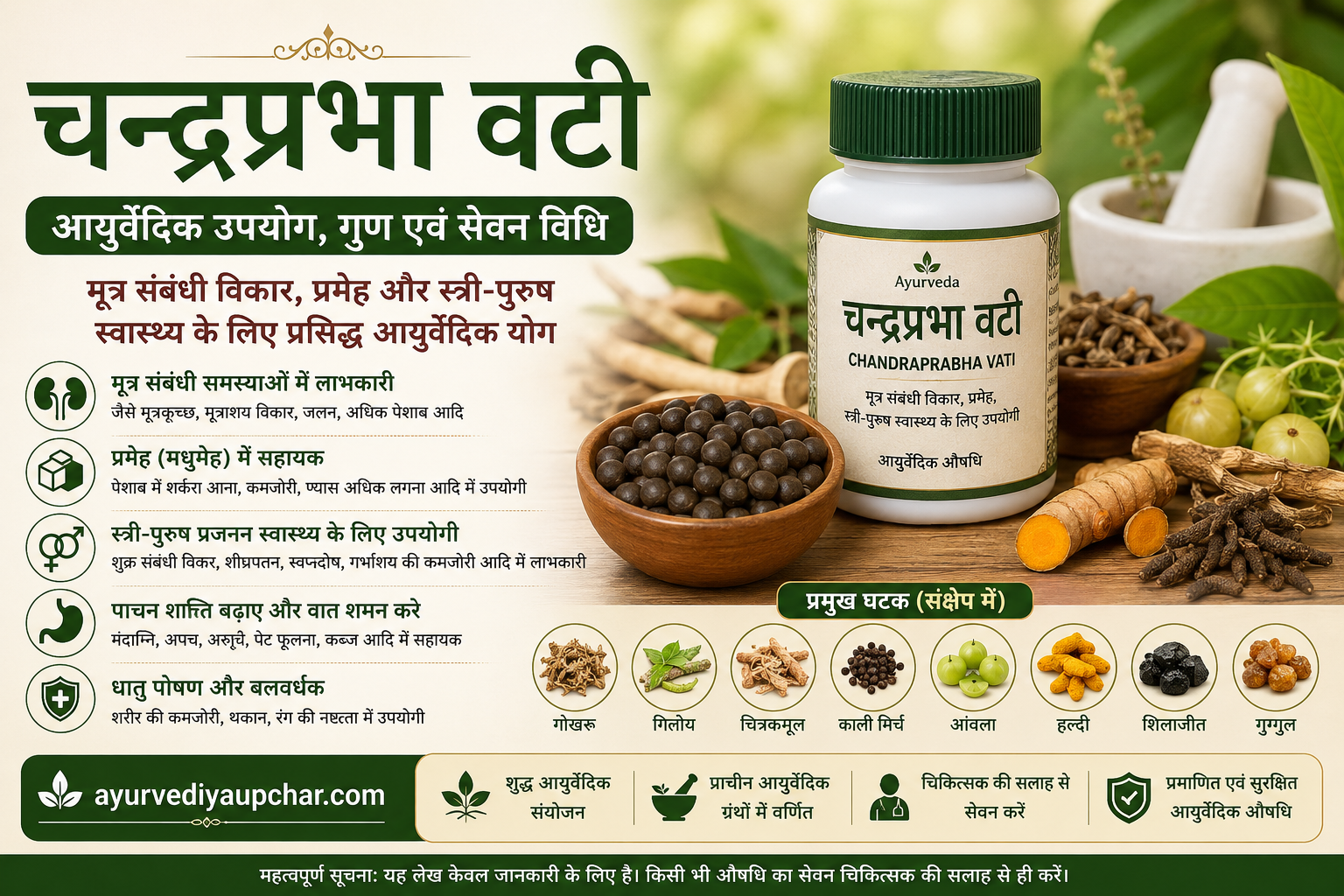
चन्द्रप्रभा वटी: आयुर्वेद में उपयोग, घटक, पारंपरिक गुण और सेवन विधि
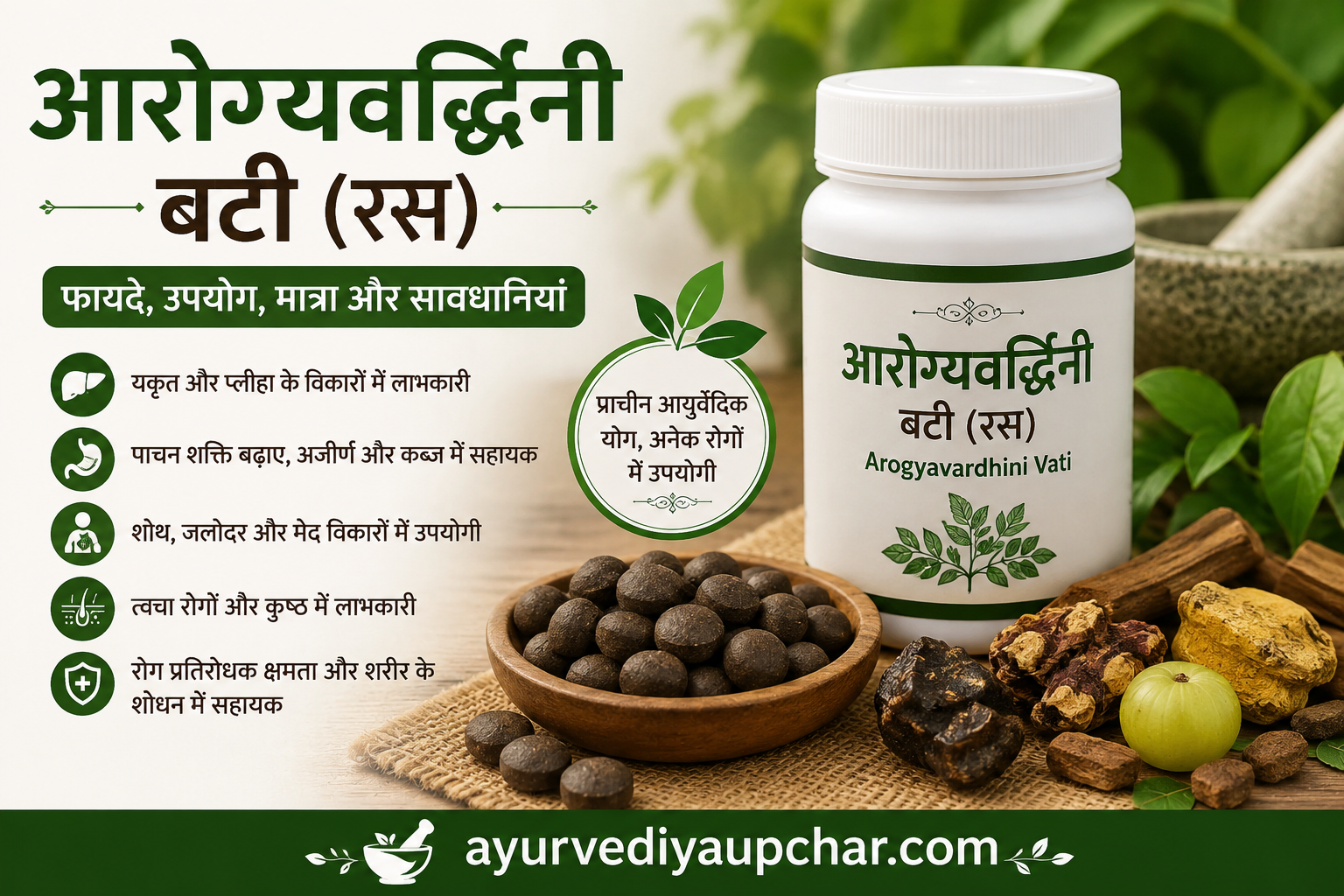
आरोग्यवर्द्धिनी बटी (रस): परिचय, घटक, निर्माण विधि, मात्रा, अनुपान और पारंपरिक उपयोग

वृद्धिबाधिका बटी: अण्डवृद्धि, अण्डकोष में सूजन और हर्निया के संबंध में आयुर्वेदिक दृष्टिकोण

पुनर्नवादि मण्डूर: सूजन, पाण्डु और उदर विकारों में प्रसिद्ध आयुर्वेदिक योग


एक आम बीमारी: पेप्टिक अल्सर — कारण, लक्षण, प्रकार, पहचान और उपचार

आयुर्वेदिक उपायों और संतुलित आहार द्वारा कोलेस्ट्रॉल पर नियंत्रण संभव है
AYURVEDIYAUPCHAR
At AyurvediyaUpchar, we are dedicated to bringing you the ancient wisdom of Ayurveda to support your journey toward holistic well-being. Our carefully crafted treatments, products, and resources are designed to balance mind, body, and spirit for a healthier, more harmonious life. Explore our range of services and products inspired by centuries-old traditions for natural healing and wellness.
आयुर्वेदीय उपचार में, हम आपको आयुर्वेद के प्राचीन ज्ञान को समग्र कल्याण की ओर आपकी यात्रा में सहायता करने के लिए समर्पित हैं। हमारे सावधानीपूर्वक तैयार किए गए उपचार, उत्पाद और संसाधन स्वस्थ, अधिक सामंजस्यपूर्ण जीवन के लिए मन, शरीर और आत्मा को संतुलित करने के लिए डिज़ाइन किए गए हैं। प्राकृतिक उपचार और कल्याण के लिए सदियों पुरानी परंपराओं से प्रेरित हमारी सेवाओं और उत्पादों की श्रृंखला का अन्वेषण करें।

About AyurvediyaUpchar.com
Welcome to AyurvediyaUpchar.com, your trusted online destination for authentic Ayurvedic remedies, herbal products, and wellness solutions. We are dedicated to bringing the ancient wisdom of Ayurveda into modern lifestyles through high-quality, natural, and effective products.
Our Mission
At AyurvediyaUpchar.com, we strive to promote holistic health and well-being by providing pure, traditional, and scientifically-backed Ayurvedic treatments. Our goal is to make Ayurveda accessible to everyone, helping people lead a healthier and more balanced life naturally.
What We Offer
✅ Authentic Ayurvedic Medicines – Herbal formulations for various health concerns.
✅ Herbal Supplements – Boost immunity, digestion, and overall wellness.
✅ Personal Care Products – Skincare, haircare, and natural beauty solutions.
✅ Wellness & Lifestyle – Detox, stress relief, and rejuvenation products.
✅ Expert Guidance – Informative blogs, health tips, and personalized Ayurvedic consultation.
Why Choose Us?
✔ 100% Natural & Pure Products – Sourced from the finest herbs and ingredients.
✔ Trusted by Ayurveda Experts – Backed by traditional wisdom & modern research.
✔ Secure Online Shopping – Safe payments and easy checkout.
✔ Nationwide Delivery – Get Ayurveda at your doorstep.
✔ Customer Satisfaction – Dedicated support for your health journey.
Join us in embracing Ayurveda for a healthier, happier, and more natural life!
For any queries, feel free to contact us at Info@ayurvediyaupchar.com