






Daily Habits That Help You Live Longer: 15 Science-Backed Tips for a Healthier Life

Living a longer life isn't just about adding more years—it's about adding more healthy, active, and meaningful years. While genetics do play a role in how long we live, research suggests that our daily habits have an even greater impact on overall health and longevity.
The good news is that you don't need expensive supplements, extreme diets, or complicated fitness routines to improve your chances of living a longer and healthier life. Small, consistent habits practiced every day can support your heart, brain, immune system, and overall well-being.
Whether you're in your 30s looking to build healthier routines or over 50 hoping to stay active and independent, the choices you make each day matter more than you might think.
In this guide, you'll discover simple, science-backed habits that can help improve your quality of life, lower the risk of chronic diseases, and support healthy aging naturally.
Why Daily Habits Matter More Than Genetics
Many people believe that lifespan is determined entirely by family history. While genetics influence certain health conditions, researchers estimate that lifestyle choices account for a significant portion of healthy aging.
Daily habits affect nearly every system in your body, including:
- Heart health
- Brain function
- Blood sugar regulation
- Immune system
- Bone strength
- Muscle mass
- Mental health
- Sleep quality
The best part? You don't have to change everything overnight. Improving just one habit at a time can create lasting benefits over the years.
What Is Healthy Longevity?
Healthy longevity isn't simply about reaching 90 or 100 years old.
It's about staying:
- Physically active
- Mentally sharp
- Emotionally balanced
- Independent
- Free from preventable diseases
A long life means little if poor health limits your ability to enjoy it. That's why experts focus on increasing healthspan—the number of years you live in good health—not just lifespan.
1. Walk Every Day
Walking is one of the simplest yet most effective forms of exercise.
You don't need a gym membership or expensive equipment. A comfortable pair of shoes and consistency are enough.
Benefits of Daily Walking
Walking regularly may help:
- Support heart health
- Improve blood circulation
- Maintain a healthy weight
- Reduce stress
- Improve mood
- Strengthen muscles and joints
- Lower the risk of chronic diseases
Many health experts recommend aiming for at least 30 minutes of moderate walking most days of the week.
If 30 minutes feels overwhelming, start with 10-minute walks and gradually increase your time.
Easy Ways to Walk More
- Take the stairs instead of the elevator.
- Park farther away from store entrances.
- Walk during lunch breaks.
- Take evening walks with family.
- Walk while talking on the phone.
Small steps truly add up.
2. Eat More Fruits and Vegetables
Your body needs vitamins, minerals, fiber, and antioxidants every day.
Colorful fruits and vegetables provide nutrients that help protect cells from damage caused by oxidative stress.
Aim to Fill Half Your Plate
Try including:
- Spinach
- Kale
- Broccoli
- Blueberries
- Strawberries
- Apples
- Oranges
- Bell peppers
- Carrots
- Tomatoes
Eating a variety of colors ensures you receive a wide range of beneficial nutrients.
Why Fiber Matters
Most Americans don't consume enough fiber.
Fiber supports:
- Gut health
- Healthy digestion
- Blood sugar control
- Cholesterol management
- Heart health
Whole foods are almost always a better choice than relying on supplements unless recommended by a healthcare provider.
3. Prioritize Quality Sleep
Many people underestimate how important sleep is.
During sleep, your body repairs tissues, balances hormones, strengthens the immune system, and processes memories.
Adults generally need 7–9 hours of quality sleep each night, although individual needs may vary.
Signs You May Not Be Getting Enough Sleep
- Feeling tired after waking up
- Difficulty concentrating
- Mood changes
- Frequent illness
- Low energy throughout the day
Tips for Better Sleep
- Keep a consistent bedtime.
- Avoid screens before bed.
- Sleep in a cool, dark room.
- Limit caffeine in the evening.
- Avoid heavy meals before bedtime.
Good sleep is one of the most powerful investments you can make in your long-term health.
4. Drink Enough Water
Water supports nearly every function in your body.
Even mild dehydration can affect energy levels, focus, and physical performance.
Water helps:
- Regulate body temperature
- Support digestion
- Transport nutrients
- Lubricate joints
- Maintain healthy skin
- Remove waste products
Instead of waiting until you're thirsty, make hydration a daily habit.
Easy Hydration Tips
- Carry a reusable water bottle.
- Drink a glass of water after waking up.
- Drink water before meals.
- Eat water-rich foods like cucumbers and watermelon.
Your individual hydration needs depend on your activity level, climate, and overall health.
5. Eat Enough Protein
Protein becomes increasingly important as we age.
It helps maintain:
- Muscle mass
- Bone health
- Strength
- Recovery after exercise
- Immune function
Good protein sources include:
- Fish
- Chicken
- Eggs
- Greek yogurt
- Beans
- Lentils
- Tofu
- Cottage cheese
- Nuts
- Seeds
Rather than eating most of your protein at dinner, try spreading it throughout the day.
Balanced meals that include protein can also help you feel full longer.
Small Changes Create Big Results
One reason people fail to build healthier habits is trying to change everything at once.
Instead, choose one habit this week.
For example:
Week 1:
Walk for 20 minutes daily.
Week 2:
Add one serving of vegetables to lunch.
Week 3:
Sleep 30 minutes earlier.
Week 4:
Drink more water.
Small improvements become lifelong routines.
Remember: Consistency Beats Perfection
You don't have to eat perfectly every day.
You don't have to exercise for two hours.
You don't need to follow the latest health trend.
Living longer is usually the result of doing ordinary healthy things consistently over many years—not chasing quick fixes.
6. Build Strength with Regular Exercise
When people think about exercise, they often picture running or cycling. While cardio is excellent for heart health, strength training is just as important—especially as you age.
After the age of 30, adults naturally begin to lose muscle mass. This gradual loss can affect balance, mobility, metabolism, and overall independence later in life.
Strength training helps slow this process and keeps your body strong for everyday activities.
Benefits of Strength Training
Regular resistance exercise may help:
- Maintain muscle mass
- Improve bone density
- Support healthy joints
- Reduce the risk of falls
- Improve posture
- Increase metabolism
- Improve blood sugar control
The good news is you don't need a full gym to get started. Bodyweight exercises like squats, push-ups, lunges, and resistance bands can provide excellent results.
Most health experts recommend strength training at least two to three times per week.
7. Manage Stress Before It Manages You
Stress is a normal part of life, but chronic stress can negatively affect nearly every system in the body.
When you're constantly stressed, your body releases cortisol, often called the "stress hormone." While cortisol is important in short bursts, long-term elevation may contribute to:
- High blood pressure
- Poor sleep
- Weight gain
- Anxiety
- Reduced immune function
- Increased inflammation
Managing stress doesn't mean eliminating every problem—it means developing healthy ways to respond.
Simple Stress Management Habits
Try adding one or more of these practices into your daily routine:
- Deep breathing exercises
- Meditation
- Journaling
- Prayer
- Listening to relaxing music
- Gardening
- Reading a book
- Spending time in nature
Even ten minutes of intentional relaxation each day can make a noticeable difference over time.
8. Stay Connected with Friends and Family
Longevity isn't just about eating healthy or exercising.
Research has consistently shown that strong social relationships are associated with better physical and mental health.
People with meaningful relationships often experience:
- Lower stress levels
- Better emotional well-being
- Reduced risk of depression
- Improved recovery from illness
- Longer life expectancy
Ways to Stay Social
- Call a family member regularly.
- Join a local community group.
- Volunteer.
- Attend religious or community events.
- Meet friends for a walk or coffee.
- Participate in hobby clubs.
Human connection is one of the most overlooked health habits.
9. Spend Time Outdoors Every Day
Modern life often keeps us indoors for most of the day.
Fresh air, natural light, and green spaces can positively influence both physical and mental health.
Benefits of spending time outdoors include:
- Better mood
- Improved focus
- Lower stress
- Increased physical activity
- Better sleep quality
Sunlight also helps your body produce Vitamin D, an important nutrient for bone health and immune function.
Aim to spend at least 20–30 minutes outdoors whenever possible.
10. Keep Your Brain Active
Just like muscles, your brain benefits from regular exercise.
Learning new skills helps create new neural connections that support memory and cognitive function.
Brain-Healthy Activities
Consider trying:
- Reading books
- Crossword puzzles
- Sudoku
- Learning a new language
- Playing a musical instrument
- Taking online courses
- Learning new recipes
- Playing strategy games
Lifelong learning keeps the mind engaged and curious.
Limit Sitting Time
Many Americans spend most of the day sitting—at work, during commutes, and while watching television.
Long periods of sitting are associated with increased risks of:
- Heart disease
- Type 2 diabetes
- Obesity
- Back pain
- Poor circulation
Even if you exercise regularly, sitting continuously for many hours isn't ideal.
Move More Throughout the Day
Simple changes include:
- Stand every hour.
- Walk during phone calls.
- Stretch between meetings.
- Use a standing desk if available.
- Walk after meals.
Small movement breaks improve circulation and energy.
Healthy Weight Matters—But Crash Diets Don't
Maintaining a healthy weight supports many aspects of long-term health.
However, extreme dieting usually isn't sustainable.
Instead of chasing quick weight-loss programs, focus on long-term habits such as:
- Eating balanced meals
- Staying active
- Sleeping well
- Managing stress
- Drinking enough water
These habits naturally support healthy weight management.
Protect Your Heart Every Day
Heart disease remains one of the leading causes of death worldwide, but many risk factors are influenced by lifestyle.
Daily habits that support heart health include:
- Walking regularly
- Eating fiber-rich foods
- Limiting processed foods
- Managing blood pressure
- Avoiding smoking
- Maintaining healthy cholesterol levels
Think of every healthy meal and every walk as an investment in your future.
Don't Ignore Preventive Healthcare
Many serious health conditions develop silently.
Routine health screenings help detect problems early when treatment is often more effective.
Talk with your healthcare provider about screenings that may be appropriate based on your age, family history, and personal risk factors.
These may include checks for:
- Blood pressure
- Cholesterol
- Blood sugar
- Cancer screenings
- Vision
- Hearing
- Bone health
Preventive care is one of the smartest health investments you can make.
Healthy Habits Are Easier Together
Changing your lifestyle doesn't have to be a solo journey.
Having a workout partner, walking buddy, or supportive family member can increase motivation and accountability.
Celebrate small victories together and encourage one another to stay consistent.
Progress Over Perfection
Many people quit healthy habits because they miss one workout or eat one unhealthy meal.
Remember:
One unhealthy meal won't ruin your health.
One missed workout won't erase your progress.
What matters most is what you do consistently over months and years.
Healthy living is not about perfection—it's about persistence.
Your Future Self Is Built Today
Imagine yourself ten or twenty years from now.
The choices you make today influence:
- Your mobility
- Your energy
- Your independence
- Your confidence
- Your quality of life
Every healthy decision is an investment in that future version of yourself.
11. Don't Smoke and Avoid Secondhand Smoke
If there's one habit that has the biggest negative impact on longevity, it's smoking.
Smoking damages nearly every organ in the body and significantly increases the risk of:
- Heart disease
- Stroke
- Lung disease
- Several types of cancer
- Weakened immune function
- Premature aging
The good news is that it's never too late to quit. Research shows that people who stop smoking—regardless of age—can improve their health and reduce the risk of smoking-related diseases over time.
If you don't smoke, try to avoid frequent exposure to secondhand smoke whenever possible.
12. Limit Alcohol Consumption
While alcohol is part of many social occasions, drinking too much can affect both short-term and long-term health.
Excessive alcohol intake has been linked to:
- Liver disease
- High blood pressure
- Heart problems
- Poor sleep quality
- Weight gain
- Increased cancer risk
If you choose to drink, moderation is important. If you don't drink alcohol, there's no health reason to start.
Replacing alcoholic beverages with water, sparkling water, or unsweetened herbal tea is a simple habit that supports overall wellness.
13. Practice Gratitude Every Day
Your mental outlook can influence your physical health more than many people realize.
Practicing gratitude may help reduce stress, improve emotional well-being, and encourage healthier lifestyle choices.
Simple gratitude habits include:
- Writing down three things you're thankful for each morning.
- Saying thank you more often.
- Reflecting on positive moments before bed.
- Keeping a gratitude journal.
These practices take only a few minutes but can help create a more positive mindset over time.
14. Continue Learning Throughout Life
Your brain thrives on new challenges.
Learning something new—even later in life—helps keep the mind active and engaged.
Ideas include:
- Reading books
- Learning a new language
- Trying a musical instrument
- Cooking healthy recipes
- Taking online classes
- Traveling and exploring new cultures
Lifelong learning supports cognitive health and adds purpose to everyday life.
15. Find a Purpose in Life
One of the most overlooked habits for longevity isn't found in a gym or kitchen—it's having a sense of purpose.
People who feel connected to meaningful goals often report:
- Higher life satisfaction
- Better emotional health
- Greater resilience during difficult times
- More motivation to maintain healthy habits
Purpose doesn't have to be something extraordinary.
It could be:
- Spending time with grandchildren
- Volunteering
- Helping neighbors
- Growing a garden
- Teaching others
- Caring for pets
- Pursuing creative hobbies
Having a reason to wake up each morning can positively influence both mental and physical health.
Foods That Support Healthy Aging
A balanced eating pattern is one of the strongest predictors of long-term health.
Try including these nutrient-rich foods regularly:
Leafy Greens
Spinach, kale, Swiss chard, and romaine lettuce provide vitamins, minerals, and fiber.
Berries
Blueberries, strawberries, raspberries, and blackberries are rich in antioxidants.
Fatty Fish
Salmon, sardines, and trout provide omega-3 fatty acids that support heart and brain health.
Nuts and Seeds
Almonds, walnuts, chia seeds, flaxseeds, and pumpkin seeds offer healthy fats, protein, and minerals.
Beans and Lentils
Excellent sources of plant protein and fiber that support heart health and digestion.
Whole Grains
Choose oats, brown rice, quinoa, and whole wheat over refined grains whenever possible.
Olive Oil
Extra virgin olive oil is a healthy source of unsaturated fats and works well in salads and cooking.
Habits That May Shorten Your Lifespan
Just as healthy habits can support longevity, certain behaviors may increase the risk of chronic disease over time.
Try to limit or avoid:
- Smoking
- Excessive alcohol use
- Highly processed foods
- Sugary drinks
- Physical inactivity
- Chronic sleep deprivation
- Constant stress
- Long hours of sitting
- Ignoring medical checkups
- Poor hydration
Replacing even one unhealthy habit with a healthier alternative can make a meaningful difference over the years.
A Simple Morning Routine for Healthy Aging
Starting your day with healthy habits sets the tone for the rest of the day.
Here's an easy morning routine you can follow:
6:30 AM – Wake Up
Drink a glass of water to rehydrate after sleep.
6:40 AM – Stretch
Spend 5–10 minutes stretching or doing gentle yoga.
7:00 AM – Go Outside
Get a few minutes of natural sunlight to help regulate your body's internal clock.
7:15 AM – Healthy Breakfast
Include protein, fiber, and healthy fats.
Example:
- Greek yogurt with berries
- Oatmeal with nuts
- Eggs with whole-grain toast
7:45 AM – Plan Your Day
Write down your top three priorities and one thing you're grateful for.
This simple routine can improve focus, energy, and consistency.
Frequently Asked Questions (FAQ)
What is the most important habit for living longer?
There isn't a single magic habit. The greatest benefits come from combining regular physical activity, healthy eating, quality sleep, stress management, and avoiding smoking.
Does walking every day really help?
Yes. Regular walking supports heart health, weight management, circulation, and overall physical fitness.
How much sleep do adults need?
Most adults need 7 to 9 hours of quality sleep each night, though individual needs may vary.
Is strength training important after age 50?
Absolutely. Strength training helps preserve muscle, improve balance, support bone health, and maintain independence as you age.
Can stress shorten your lifespan?
Chronic stress may increase the risk of several health conditions. Managing stress through healthy habits can improve overall well-being.
Is it too late to start healthy habits?
No. People can benefit from healthier lifestyle choices at almost any age. Small changes made consistently can still have meaningful long-term benefits.
Final Thoughts
Living longer isn't about searching for a miracle supplement or following the latest health trend. It's about making small, consistent choices that support your body and mind every single day.
Walking a little more, eating nutritious foods, sleeping well, staying active, nurturing relationships, managing stress, and continuing to learn are simple habits—but together, they can have a powerful impact on your health.
Remember, longevity isn't just measured by the number of years you live. It's measured by the quality of those years.
Start with one healthy habit today, stay consistent, and let those small actions shape a healthier future.
Recent Posts
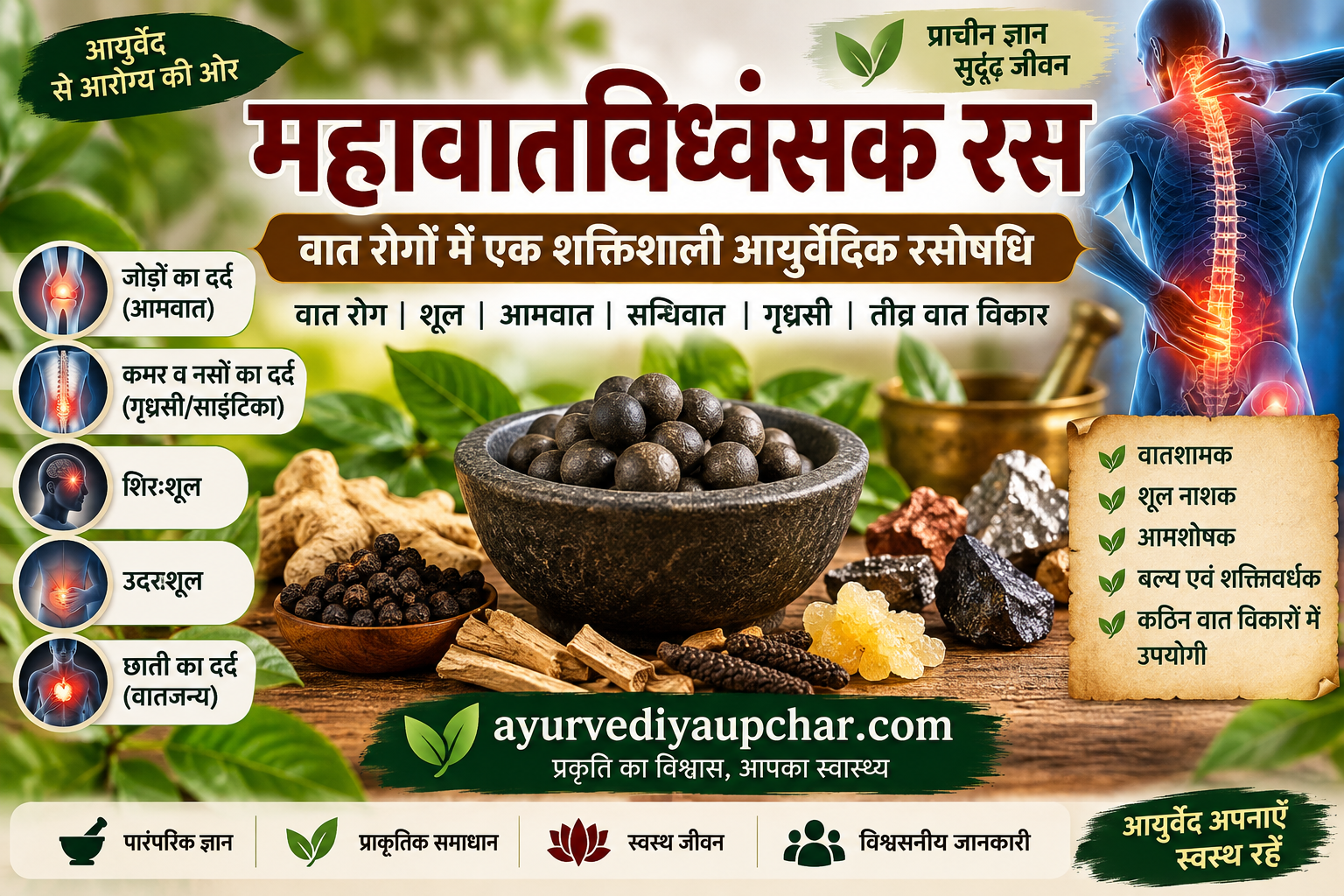
महावातविध्वंसक रस: वात विकारों और तीव्र शूल में पारंपरिक आयुर्वेदिक उपयोग
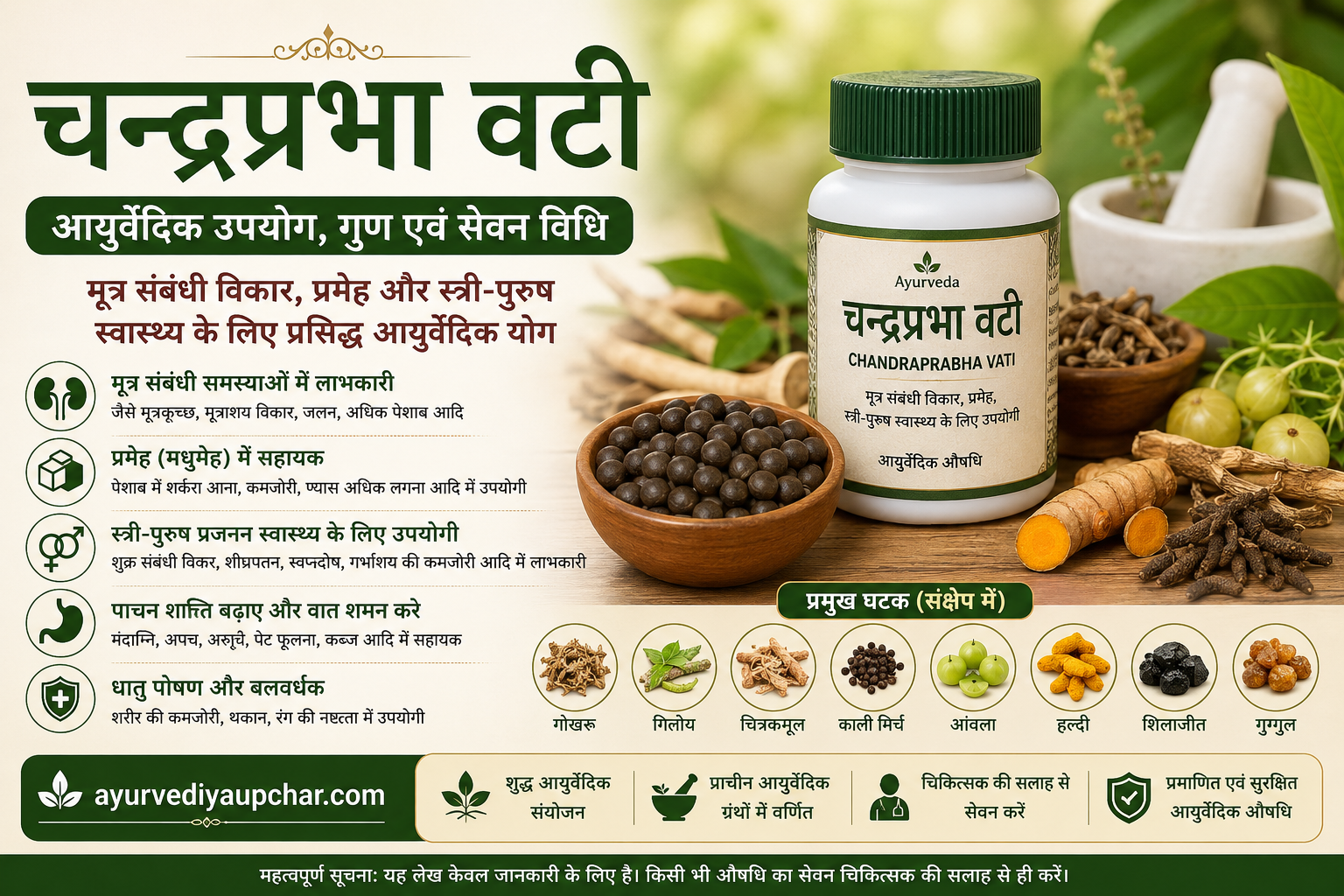
चन्द्रप्रभा वटी: आयुर्वेद में उपयोग, घटक, पारंपरिक गुण और सेवन विधि
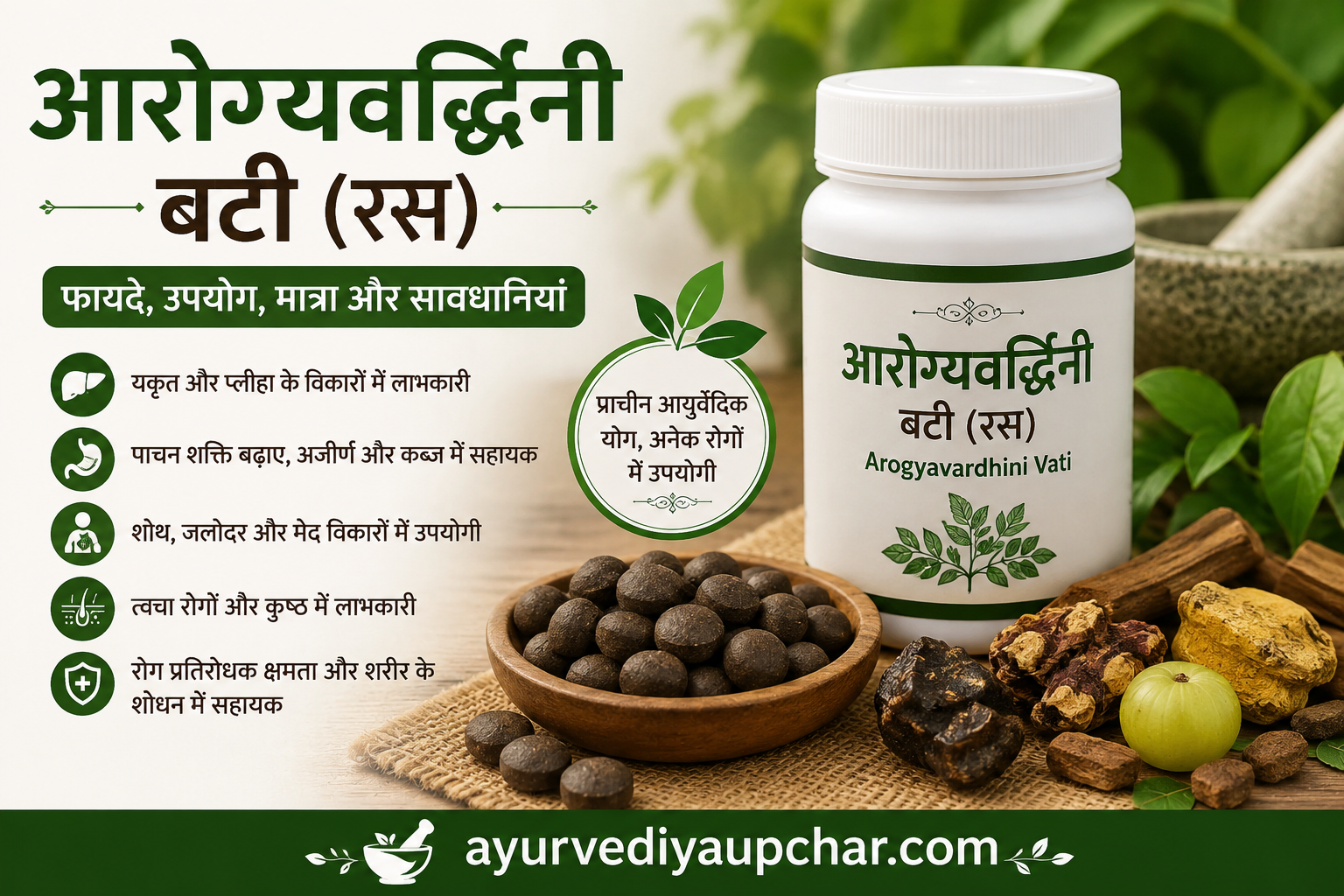
आरोग्यवर्द्धिनी बटी (रस): परिचय, घटक, निर्माण विधि, मात्रा, अनुपान और पारंपरिक उपयोग
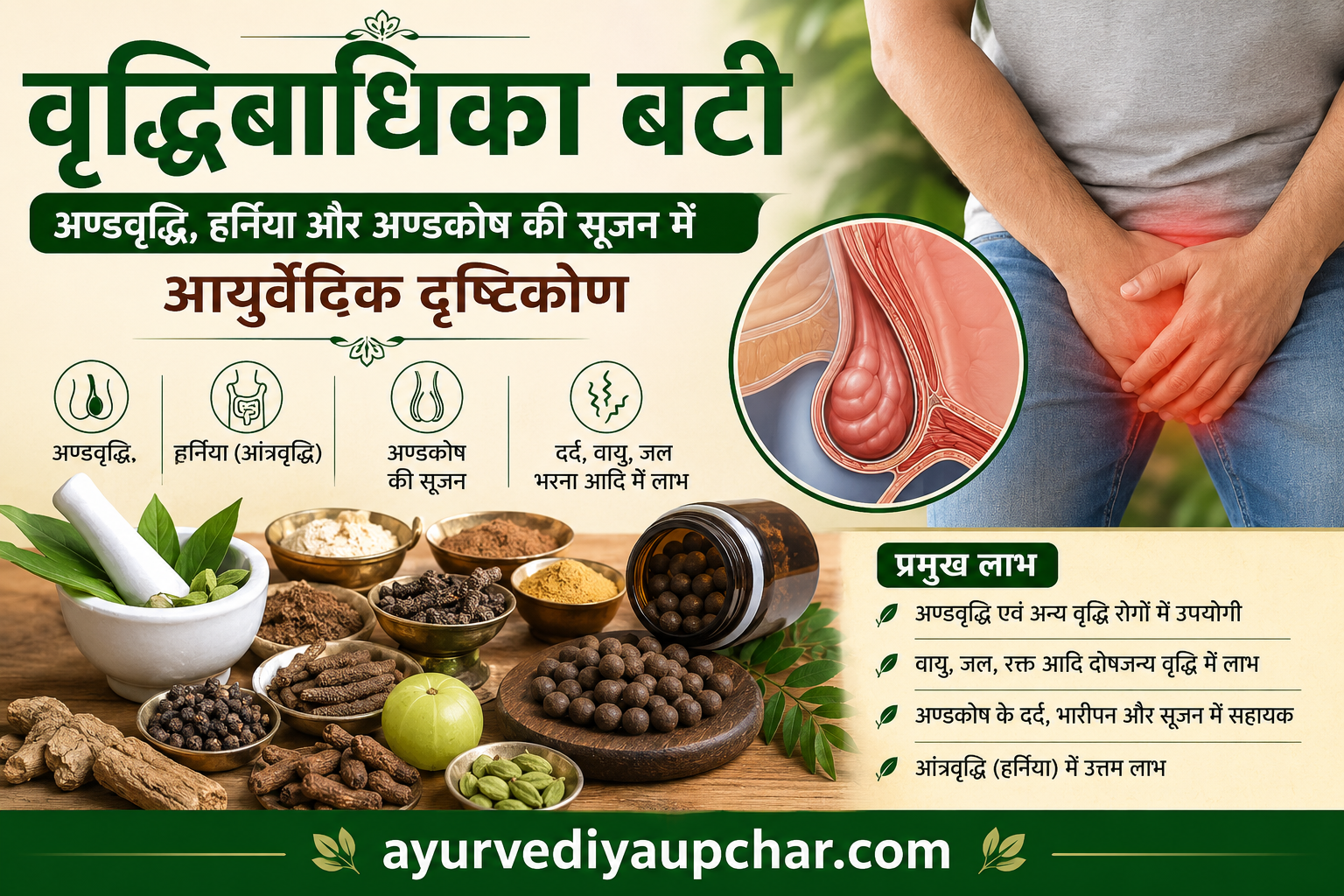
वृद्धिबाधिका बटी: अण्डवृद्धि, अण्डकोष में सूजन और हर्निया के संबंध में आयुर्वेदिक दृष्टिकोण
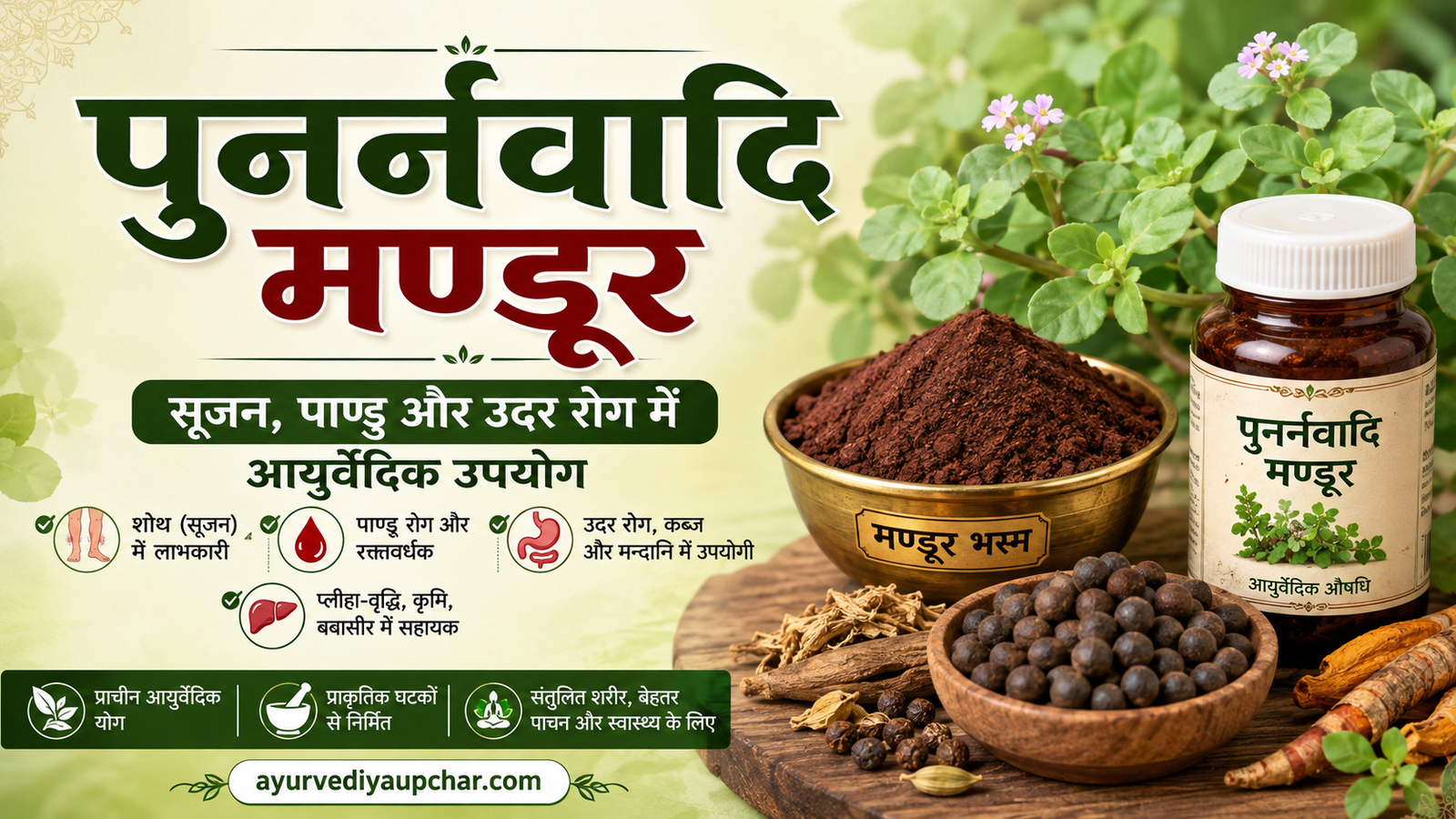
पुनर्नवादि मण्डूर: सूजन, पाण्डु और उदर विकारों में प्रसिद्ध आयुर्वेदिक योग
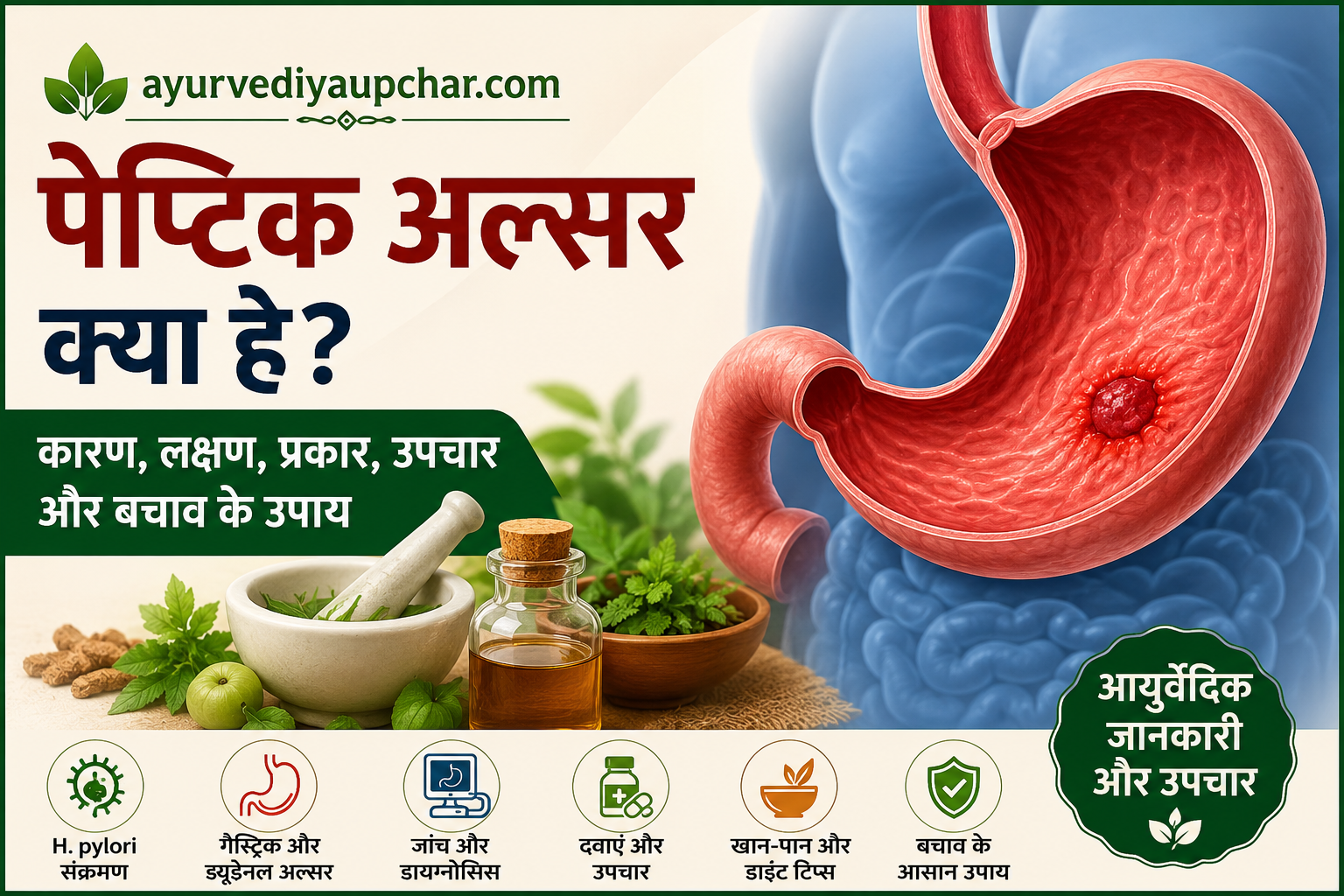
एक आम बीमारी: पेप्टिक अल्सर — कारण, लक्षण, प्रकार, पहचान और उपचार
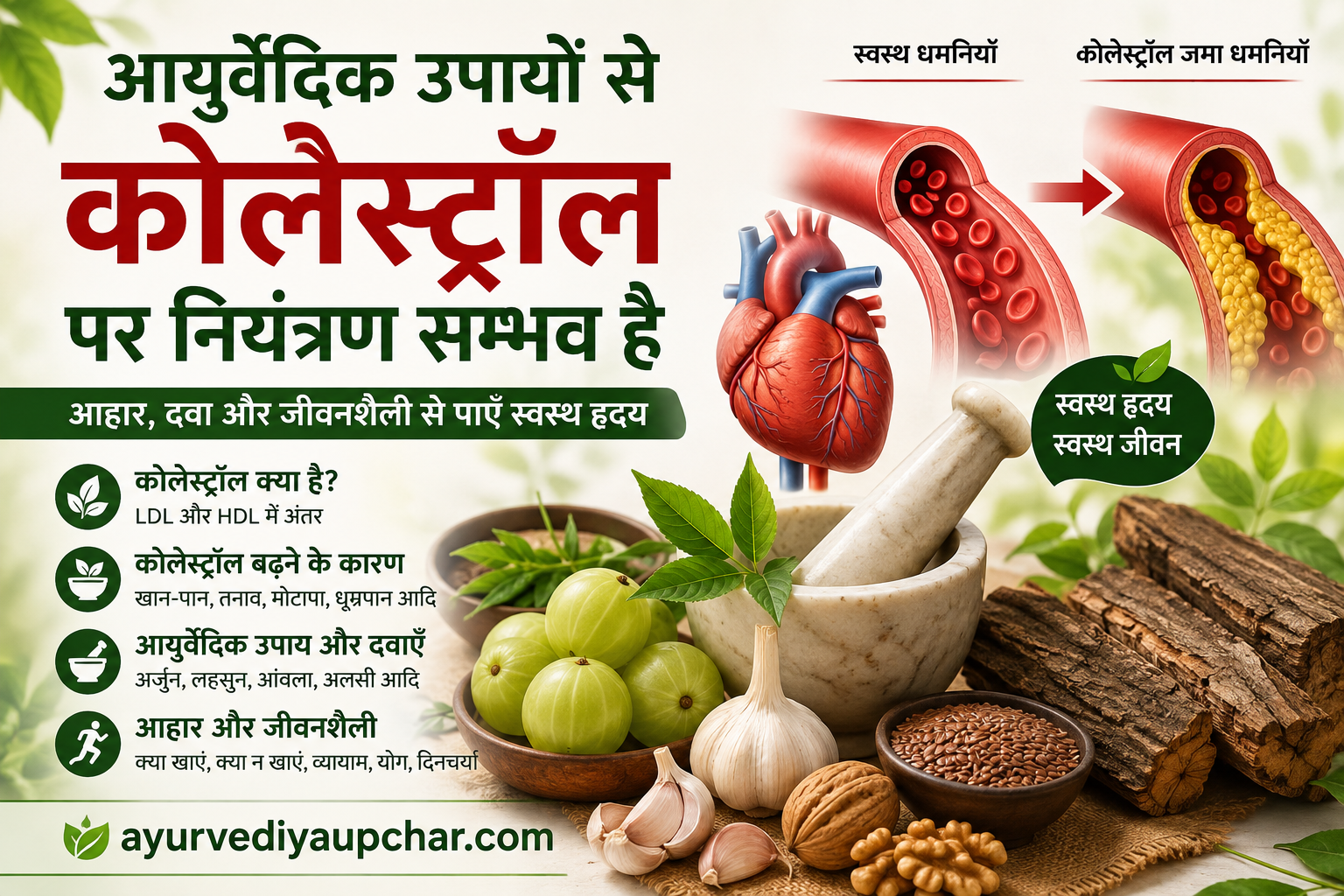
आयुर्वेदिक उपायों और संतुलित आहार द्वारा कोलेस्ट्रॉल पर नियंत्रण संभव है
AYURVEDIYAUPCHAR
At AyurvediyaUpchar, we are dedicated to bringing you the ancient wisdom of Ayurveda to support your journey toward holistic well-being. Our carefully crafted treatments, products, and resources are designed to balance mind, body, and spirit for a healthier, more harmonious life. Explore our range of services and products inspired by centuries-old traditions for natural healing and wellness.
आयुर्वेदीय उपचार में, हम आपको आयुर्वेद के प्राचीन ज्ञान को समग्र कल्याण की ओर आपकी यात्रा में सहायता करने के लिए समर्पित हैं। हमारे सावधानीपूर्वक तैयार किए गए उपचार, उत्पाद और संसाधन स्वस्थ, अधिक सामंजस्यपूर्ण जीवन के लिए मन, शरीर और आत्मा को संतुलित करने के लिए डिज़ाइन किए गए हैं। प्राकृतिक उपचार और कल्याण के लिए सदियों पुरानी परंपराओं से प्रेरित हमारी सेवाओं और उत्पादों की श्रृंखला का अन्वेषण करें।

About AyurvediyaUpchar.com
Welcome to AyurvediyaUpchar.com, your trusted online destination for authentic Ayurvedic remedies, herbal products, and wellness solutions. We are dedicated to bringing the ancient wisdom of Ayurveda into modern lifestyles through high-quality, natural, and effective products.
Our Mission
At AyurvediyaUpchar.com, we strive to promote holistic health and well-being by providing pure, traditional, and scientifically-backed Ayurvedic treatments. Our goal is to make Ayurveda accessible to everyone, helping people lead a healthier and more balanced life naturally.
What We Offer
✅ Authentic Ayurvedic Medicines – Herbal formulations for various health concerns.
✅ Herbal Supplements – Boost immunity, digestion, and overall wellness.
✅ Personal Care Products – Skincare, haircare, and natural beauty solutions.
✅ Wellness & Lifestyle – Detox, stress relief, and rejuvenation products.
✅ Expert Guidance – Informative blogs, health tips, and personalized Ayurvedic consultation.
Why Choose Us?
✔ 100% Natural & Pure Products – Sourced from the finest herbs and ingredients.
✔ Trusted by Ayurveda Experts – Backed by traditional wisdom & modern research.
✔ Secure Online Shopping – Safe payments and easy checkout.
✔ Nationwide Delivery – Get Ayurveda at your doorstep.
✔ Customer Satisfaction – Dedicated support for your health journey.
Join us in embracing Ayurveda for a healthier, happier, and more natural life!
For any queries, feel free to contact us at Info@ayurvediyaupchar.com