





10 Foods That Improve Brain Health After 50
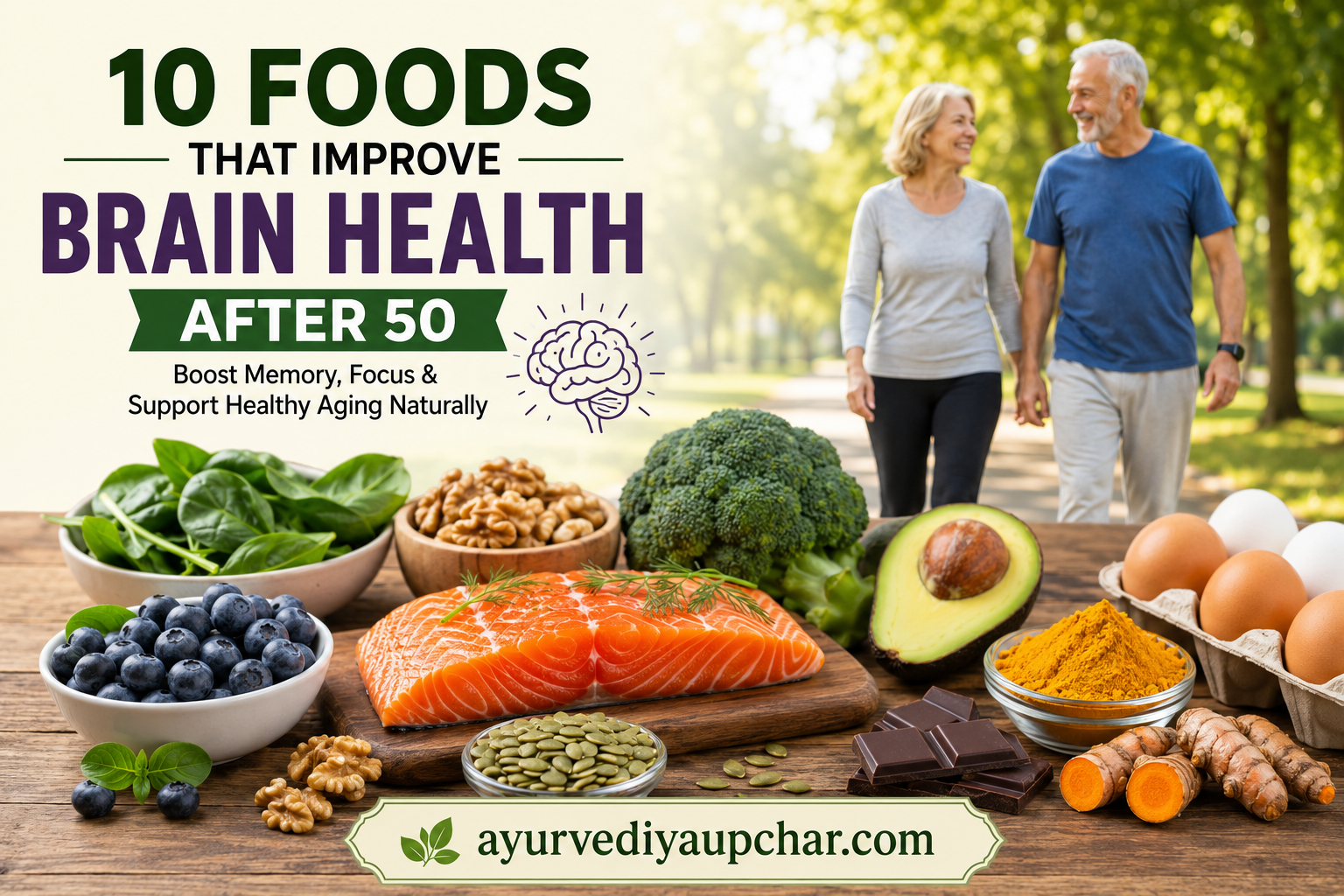
Getting older is a natural part of life, but many people notice changes in their memory, focus, and mental sharpness after the age of 50. Forgetting names occasionally or taking a little longer to recall information can be normal. However, maintaining good brain health becomes increasingly important as we age.
The encouraging news is that your daily food choices can make a significant difference. A nutrient-rich diet supports brain cells, protects against oxidative stress, improves blood flow to the brain, and may help reduce the risk of age-related cognitive decline.
While no single food can prevent dementia or Alzheimer's disease, research suggests that a healthy eating pattern combined with regular exercise, quality sleep, and mental stimulation can help keep your brain functioning at its best.
In this guide, you'll discover 10 science-backed foods that improve brain health after 50, along with practical ways to include them in your everyday meals.
Why Brain Health Becomes More Important After 50
As we grow older, our brain naturally changes.
Some common age-related changes include:
- Slower information processing
- Reduced memory recall
- Difficulty multitasking
- Lower concentration
- Decreased learning speed
These changes don't happen overnight, and they don't affect everyone in the same way. Genetics play a role, but lifestyle habits—including diet—can strongly influence how well your brain ages.
Your brain contains billions of nerve cells that constantly communicate with each other. To perform efficiently, these cells require oxygen, healthy fats, vitamins, minerals, antioxidants, and a steady supply of nutrients.
Poor nutrition, chronic inflammation, high blood sugar, lack of sleep, and physical inactivity may increase the risk of cognitive decline over time.
Fortunately, healthy eating can support brain function throughout life.
Nutrients Your Brain Needs Most
Before discussing specific foods, it's helpful to understand the nutrients your brain depends on every day.
Omega-3 Fatty Acids
These healthy fats are major building blocks of brain cells.
Benefits include:
- Better memory
- Improved learning
- Healthy communication between neurons
- Reduced inflammation
Antioxidants
The brain uses a lot of oxygen, making it vulnerable to oxidative stress.
Antioxidants help protect brain cells from free radical damage.
Examples include:
- Vitamin C
- Vitamin E
- Flavonoids
- Polyphenols
B Vitamins
Vitamins B6, B12, and folate help maintain healthy nerve cells and support normal brain function.
Low levels may contribute to memory problems in some individuals.
Vitamin D
Vitamin D supports immune health and may also play a role in cognitive function.
Many older adults have lower vitamin D levels, making regular monitoring important.
Magnesium
Magnesium supports communication between nerve cells and contributes to healthy brain function.
Healthy Fats
Not all fats are harmful.
Healthy fats found in fish, nuts, seeds, and olive oil support brain cell structure and long-term cognitive health.
Food #1 – Blueberries
Blueberries are often called one of nature's best brain foods.
These small berries are packed with antioxidants known as anthocyanins, which give blueberries their deep blue color.
Research suggests these antioxidants may help protect brain cells from oxidative damage and inflammation.
Benefits of Blueberries
Regular consumption may help:
- Support memory
- Improve communication between brain cells
- Reduce oxidative stress
- Support healthy aging
Easy Ways to Eat Blueberries
Add them to:
- Oatmeal
- Greek yogurt
- Smoothies
- Whole-grain cereal
- Salads
Fresh and frozen blueberries both provide valuable nutrients.
Food #2 – Fatty Fish
Fatty fish are among the richest natural sources of omega-3 fatty acids.
Popular choices include:
- Salmon
- Sardines
- Trout
- Mackerel
- Herring
Omega-3 fats help maintain the structure of brain cells and support communication between neurons.
Some studies suggest diets rich in omega-3s are associated with better cognitive function and healthy aging.
Benefits
Eating fatty fish regularly may help:
- Improve memory
- Support concentration
- Reduce inflammation
- Promote heart health, which also benefits the brain
Aim to include fish in your meals two times per week, unless advised otherwise by your healthcare provider.
Food #3 – Leafy Green Vegetables
Leafy greens are nutritional powerhouses.
Excellent choices include:
- Spinach
- Kale
- Swiss chard
- Romaine lettuce
- Collard greens
These vegetables contain:
- Folate
- Vitamin K
- Vitamin C
- Lutein
- Fiber
Researchers have found that people who regularly eat leafy green vegetables often experience slower age-related cognitive decline.
Ways to Add More Greens
- Blend spinach into smoothies.
- Add kale to soups.
- Make large salads for lunch.
- Include greens in omelets.
- Add spinach to pasta dishes.
Food #4 – Walnuts
Walnuts are one of the best nuts for brain health.
Interestingly, their shape even resembles the human brain.
Walnuts provide:
- Omega-3 fats
- Vitamin E
- Polyphenols
- Plant protein
- Magnesium
These nutrients help protect nerve cells while supporting memory and healthy brain function.
Snack Ideas
- Eat a handful between meals.
- Sprinkle over oatmeal.
- Add to yogurt.
- Mix into salads.
- Include in homemade trail mix.
Remember that walnuts are calorie-dense, so moderate portions are usually recommended.
Food #5 – Eggs
Eggs provide several nutrients important for brain health.
These include:
- Choline
- Vitamin B12
- Protein
- Selenium
- Vitamin D (small amounts)
Choline is particularly important because it helps produce acetylcholine, a neurotransmitter involved in memory and learning.
Many adults don't consume enough choline in their diets.
Healthy Ways to Enjoy Eggs
- Boiled eggs
- Vegetable omelets
- Scrambled eggs
- Egg salad made with Greek yogurt instead of mayonnaise
For most healthy individuals, eggs can be part of a balanced diet. If you have specific medical conditions, follow your healthcare provider's dietary recommendations.
Brain-Healthy Eating Tips
To get the greatest benefit from these foods:
- Eat a variety of colorful fruits and vegetables.
- Choose whole foods over highly processed snacks.
- Include healthy fats regularly.
- Stay hydrated throughout the day.
- Limit added sugars and sugary drinks.
Remember, no single food works alone. A balanced dietary pattern is more beneficial than relying on one "superfood."
Small Daily Choices Matter
Brain health isn't built in a single day—it's supported by years of consistent healthy habits.
Adding blueberries to breakfast, choosing salmon for dinner, or enjoying a handful of walnuts as a snack may seem like small changes, but over time, these choices contribute to better overall nutrition and support healthy aging.
Food #6 – Pumpkin Seeds
Pumpkin seeds may be small, but they are packed with nutrients that support brain function. They contain magnesium, zinc, iron, copper, and healthy fats—all of which play an important role in maintaining a healthy nervous system.
Why They're Good for Your Brain
Magnesium supports communication between nerve cells and helps regulate mood and memory. Low magnesium levels have been linked to headaches, anxiety, and reduced cognitive function.
Zinc is essential for brain signaling and immune health. A deficiency may affect learning and memory.
Iron helps transport oxygen throughout the body, including to the brain. Low iron levels can lead to fatigue, poor concentration, and brain fog.
Easy Ways to Enjoy Pumpkin Seeds
- Sprinkle on salads
- Add to oatmeal
- Mix into yogurt
- Blend into homemade granola
- Eat a small handful as a snack
A serving of about 1 ounce (28 grams) is usually enough to enjoy their nutritional benefits.
Food #7 – Avocados
Avocados are rich in heart-healthy monounsaturated fats, which support healthy blood flow. Since the brain relies on a constant supply of oxygen and nutrients delivered through the bloodstream, maintaining healthy circulation is essential.
Avocados also provide:
- Potassium
- Vitamin K
- Folate
- Vitamin E
- Fiber
Brain Benefits
A diet that supports heart health often benefits brain health as well. Healthy fats in avocados may help maintain brain cell membranes and support long-term cognitive function.
Healthy Ways to Eat Avocados
- Spread on whole-grain toast
- Add to salads
- Blend into smoothies
- Use in wraps and sandwiches
- Make homemade guacamole
Because avocados are calorie-dense, enjoy them in moderation as part of a balanced diet.
Food #8 – Dark Chocolate
Good news for chocolate lovers! Dark chocolate, especially varieties with 70% cocoa or higher, contains flavonoids—natural plant compounds known for their antioxidant properties.
Potential Benefits
Flavonoids may help:
- Improve blood flow to the brain
- Support learning and memory
- Reduce oxidative stress
- Enhance mood
Dark chocolate also contains small amounts of magnesium and iron.
Choose Wisely
Not all chocolate offers the same benefits.
Look for:
- At least 70% cocoa
- Lower added sugar
- Minimal artificial ingredients
Enjoy a small square occasionally rather than large portions, as chocolate can be high in calories.
Food #9 – Broccoli
Broccoli is another nutrient-dense vegetable that deserves a place on your plate.
It's an excellent source of:
- Vitamin K
- Vitamin C
- Folate
- Fiber
- Antioxidants
Vitamin K plays an important role in brain cell function and healthy cognitive performance.
Health Benefits
Regularly eating broccoli may help:
- Protect brain cells
- Reduce inflammation
- Support healthy aging
- Improve overall nutrition
Delicious Ways to Eat Broccoli
- Roast with olive oil
- Steam as a side dish
- Add to stir-fries
- Mix into soups
- Include in pasta dishes
Food #10 – Turmeric
Turmeric is a bright yellow spice commonly used in Indian cuisine.
Its active compound, curcumin, has attracted significant scientific interest because of its anti-inflammatory and antioxidant properties.
Researchers continue to study curcumin's role in supporting brain health, though more human research is needed to fully understand its long-term effects.
Potential Benefits
Curcumin may help:
- Reduce inflammation
- Combat oxidative stress
- Support healthy aging
- Promote overall brain wellness
How to Use Turmeric
- Add to soups
- Sprinkle into roasted vegetables
- Mix into rice dishes
- Prepare turmeric tea
- Add to smoothies
Curcumin is better absorbed when consumed with black pepper and a healthy fat such as olive oil.
Foods That May Harm Brain Health
While eating nutrient-rich foods is important, limiting certain foods may also help support long-term cognitive health.
1. Sugary Drinks
Regular consumption of sugary beverages may contribute to:
- Weight gain
- Type 2 diabetes
- Poor blood sugar control
Since diabetes is linked to an increased risk of cognitive decline, reducing sugary drinks can benefit both your brain and overall health.
Choose:
- Water
- Sparkling water
- Unsweetened tea
- Herbal tea
2. Highly Processed Foods
Many ultra-processed foods contain excessive amounts of:
- Added sugar
- Sodium
- Unhealthy fats
- Artificial ingredients
Examples include:
- Chips
- Candy
- Fast food
- Packaged pastries
- Processed meats
Replacing these foods with whole-food options supports better overall nutrition.
3. Excessive Alcohol
Heavy alcohol consumption may negatively affect:
- Memory
- Concentration
- Sleep quality
- Brain structure over time
If you choose to drink, moderation is important.
4. Trans Fats
Artificial trans fats can increase inflammation and negatively affect heart health, which in turn may influence brain health.
Read nutrition labels and avoid products containing partially hydrogenated oils.
Lifestyle Habits That Support Brain Health
Nutrition is only one part of the picture. These daily habits also help keep your brain healthy after 50.
Stay Physically Active
Regular exercise improves blood flow to the brain and supports overall health.
Aim for at least 150 minutes of moderate physical activity per week, along with strength training on two or more days.
Get Enough Sleep
Most adults need 7–9 hours of quality sleep each night.
During sleep, the brain clears waste products, consolidates memories, and supports learning.
Challenge Your Mind
Keep your brain engaged by:
- Reading books
- Solving crossword puzzles
- Learning a language
- Playing chess
- Taking online classes
- Learning a musical instrument
Mental stimulation helps build and maintain cognitive reserve.
Stay Socially Connected
Spending time with family and friends supports emotional well-being and may reduce the risk of depression and loneliness.
Strong social relationships are associated with healthier aging and better cognitive function.
Manage Stress
Chronic stress can affect memory and concentration.
Healthy stress-management techniques include:
- Meditation
- Deep breathing
- Yoga
- Walking outdoors
- Journaling
- Listening to calming music
Even 10–15 minutes of relaxation each day can make a difference.
Putting It All Together
Supporting your brain after 50 isn't about finding one miracle food. It's about building a lifestyle that includes:
- Colorful fruits and vegetables
- Healthy fats
- Lean proteins
- Whole grains
- Regular movement
- Quality sleep
- Mental stimulation
- Strong social connections
These habits work together to nourish your brain and support healthy aging.
7-Day Brain-Healthy Meal Plan
Eating for brain health doesn't have to be complicated. Here's a simple one-week meal plan featuring the foods discussed in this guide.
Day 1
Breakfast
Greek yogurt with blueberries, walnuts, and chia seeds
Lunch
Grilled salmon with spinach salad, avocado, and olive oil dressing
Snack
Pumpkin seeds
Dinner
Roasted broccoli, brown rice, and grilled chicken
Day 2
Breakfast
Vegetable omelet with spinach and whole-grain toast
Lunch
Turkey and avocado sandwich on whole-grain bread
Snack
Fresh blueberries
Dinner
Baked trout with roasted vegetables
Day 3
Breakfast
Oatmeal topped with walnuts and blueberries
Lunch
Quinoa salad with broccoli and chickpeas
Snack
Dark chocolate (70% cocoa or higher)
Dinner
Grilled salmon with steamed broccoli
Day 4
Breakfast
Smoothie with spinach, blueberries, banana, and Greek yogurt
Lunch
Chicken salad with avocado
Snack
Mixed nuts
Dinner
Turkey chili with vegetables
Day 5
Breakfast
Boiled eggs with whole-grain toast
Lunch
Spinach salad with walnuts and grilled salmon
Snack
Pumpkin seeds
Dinner
Roasted broccoli with baked chicken breast
Day 6
Breakfast
Greek yogurt parfait with berries
Lunch
Avocado wrap with grilled vegetables
Snack
Dark chocolate
Dinner
Grilled fish with quinoa and spinach
Day 7
Breakfast
Oatmeal with walnuts and cinnamon
Lunch
Vegetable soup with whole-grain bread
Snack
Fresh berries
Dinner
Salmon, roasted broccoli, and mixed green salad
Other Lifestyle Habits That Keep Your Brain Sharp
Nutrition is only one part of healthy aging. Combining a balanced diet with healthy daily habits offers the greatest benefits.
Stay Physically Active
Exercise increases blood flow to the brain and helps maintain healthy blood vessels.
Aim for:
- 150 minutes of moderate exercise each week
- Strength training at least twice weekly
- Daily walking whenever possible
Sleep Well
Quality sleep allows the brain to:
- Organize memories
- Remove waste products
- Restore nerve cells
- Improve concentration
Most adults should aim for 7–9 hours of sleep each night.
Keep Learning
The brain responds well to new challenges.
Try:
- Reading books
- Learning a language
- Crossword puzzles
- Sudoku
- Playing a musical instrument
- Taking online courses
Lifelong learning helps maintain cognitive function.
Stay Socially Connected
Spending time with family and friends supports emotional well-being and may help protect cognitive health.
Simple ways to stay connected include:
- Weekly phone calls
- Community groups
- Volunteering
- Walking with friends
- Family dinners
Control Blood Pressure and Blood Sugar
Your brain depends on healthy blood vessels.
High blood pressure and uncontrolled diabetes can damage blood vessels over time and increase the risk of stroke and cognitive decline.
Regular health checkups are an important part of healthy aging.
Common Myths About Brain Health
Myth 1: Memory loss is unavoidable after 50.
Fact: While some age-related changes are normal, many people maintain excellent cognitive function well into older age through healthy lifestyle habits.
Myth 2: Supplements work better than food.
Fact: Whole foods provide a combination of nutrients, fiber, and antioxidants that supplements cannot fully replace.
Myth 3: Only crossword puzzles keep your brain healthy.
Fact: Brain health benefits from a combination of physical activity, healthy eating, quality sleep, social engagement, and lifelong learning.
Myth 4: It's too late to improve brain health.
Fact: Positive lifestyle changes can benefit brain function at almost any age. It's never too late to start eating healthier and staying active.
Frequently Asked Questions (FAQ)
What is the best food for brain health after 50?
There isn't one "best" food. A diet rich in fatty fish, berries, leafy greens, walnuts, eggs, broccoli, avocado, pumpkin seeds, dark chocolate, and turmeric provides a wide range of nutrients that support brain health.
Can food prevent Alzheimer's disease?
No single food can prevent Alzheimer's disease. However, a healthy diet combined with regular exercise, quality sleep, and management of cardiovascular risk factors may help support overall brain health and healthy aging.
How often should I eat fatty fish?
Most dietary guidelines recommend eating fatty fish about two times per week to obtain beneficial omega-3 fatty acids.
Are eggs good for memory?
Eggs provide choline, an essential nutrient involved in producing acetylcholine, a neurotransmitter important for memory and learning.
Is coffee good for the brain?
Moderate coffee consumption may improve alertness and concentration for some people. However, excessive caffeine can interfere with sleep, which is essential for brain health.
Does drinking enough water affect memory?
Yes. Even mild dehydration can affect concentration, mood, and cognitive performance. Staying hydrated supports overall brain function.
Final Thoughts
Keeping your brain healthy after 50 isn't about finding a miracle food or following the latest health trend. Instead, it's about consistently making smart choices that nourish your body and mind.
Adding nutrient-rich foods like blueberries, fatty fish, leafy greens, walnuts, eggs, pumpkin seeds, avocados, dark chocolate, broccoli, and turmeric to your diet can provide vitamins, minerals, antioxidants, and healthy fats that support brain function.
At the same time, regular exercise, quality sleep, stress management, social connections, and lifelong learning all play important roles in maintaining memory and cognitive health.
Small changes made consistently over time often have the greatest impact. Start by incorporating one or two brain-friendly foods into your meals this week, and gradually build healthier habits that support lifelong wellness.
Key Takeaways
- Eat more colorful fruits and vegetables.
- Include omega-3-rich fish twice a week.
- Choose healthy fats from nuts, seeds, and avocados.
- Stay physically active.
- Sleep 7–9 hours every night.
- Challenge your brain with learning and puzzles.
- Stay socially connected.
- Drink enough water.
- Limit highly processed foods and sugary drinks.
- Schedule regular health checkups.
Recent Posts
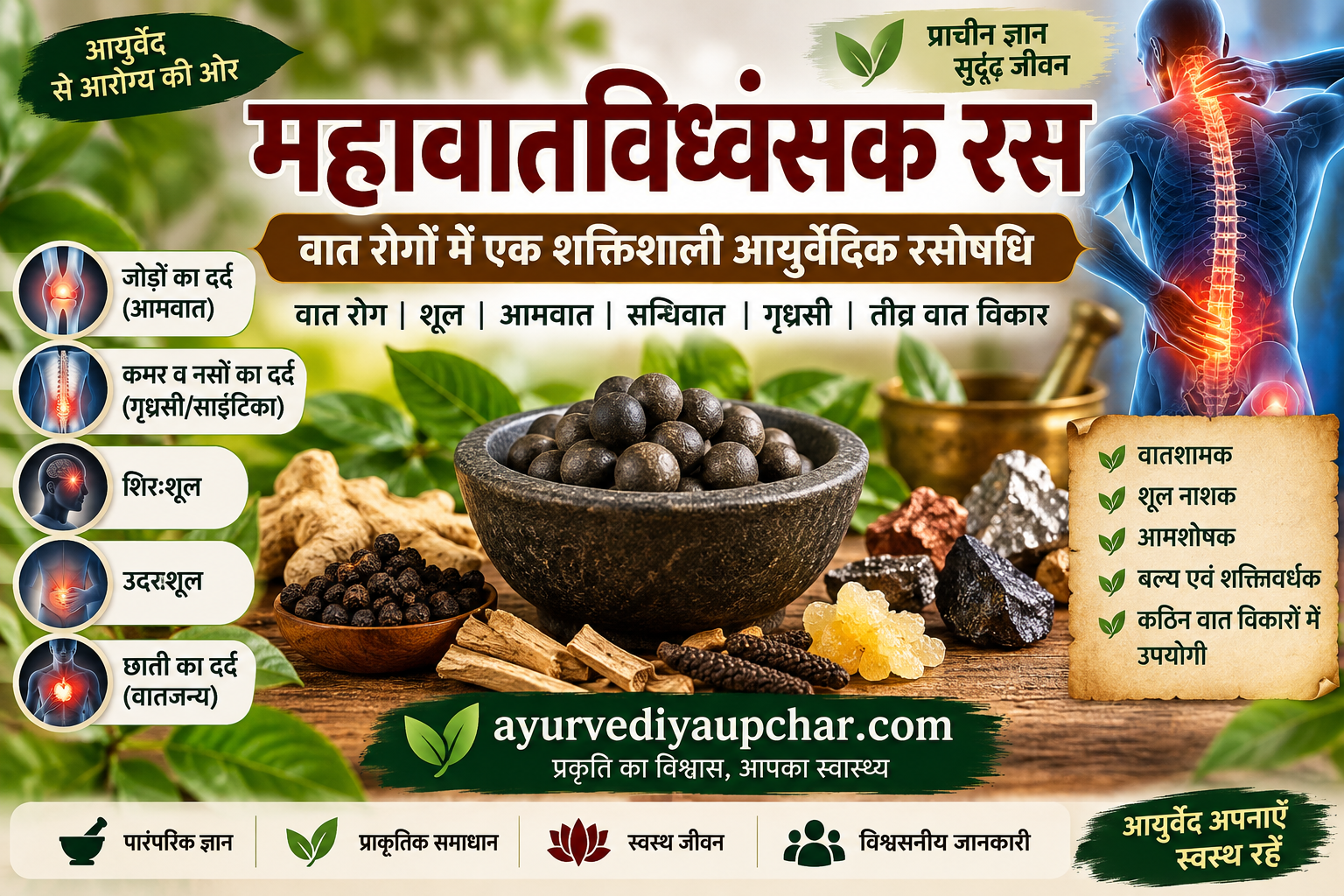
महावातविध्वंसक रस: वात विकारों और तीव्र शूल में पारंपरिक आयुर्वेदिक उपयोग
चन्द्रप्रभा वटी: आयुर्वेद में उपयोग, घटक, पारंपरिक गुण और सेवन विधि
आरोग्यवर्द्धिनी बटी (रस): परिचय, घटक, निर्माण विधि, मात्रा, अनुपान और पारंपरिक उपयोग
वृद्धिबाधिका बटी: अण्डवृद्धि, अण्डकोष में सूजन और हर्निया के संबंध में आयुर्वेदिक दृष्टिकोण
पुनर्नवादि मण्डूर: सूजन, पाण्डु और उदर विकारों में प्रसिद्ध आयुर्वेदिक योग
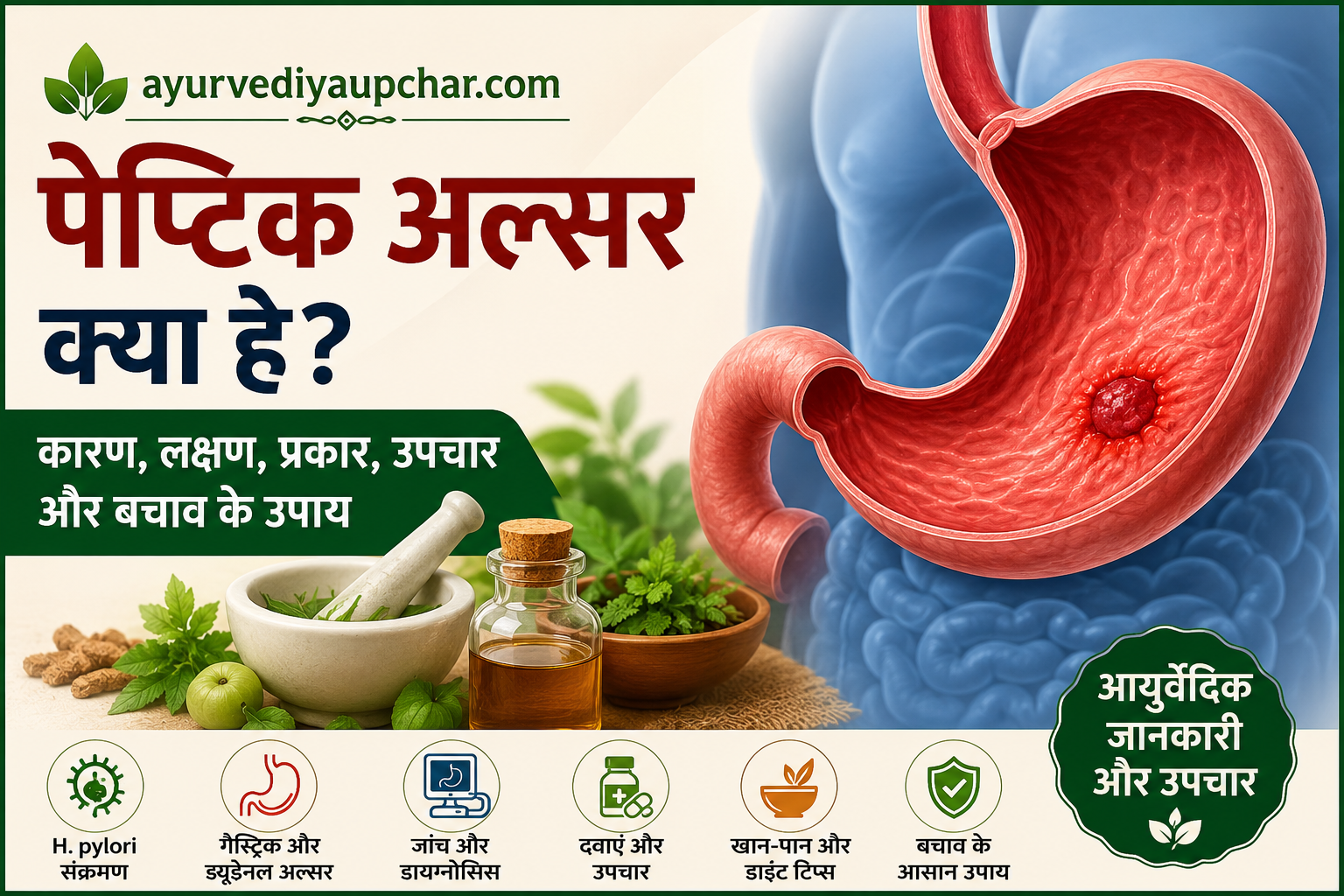
एक आम बीमारी: पेप्टिक अल्सर — कारण, लक्षण, प्रकार, पहचान और उपचार
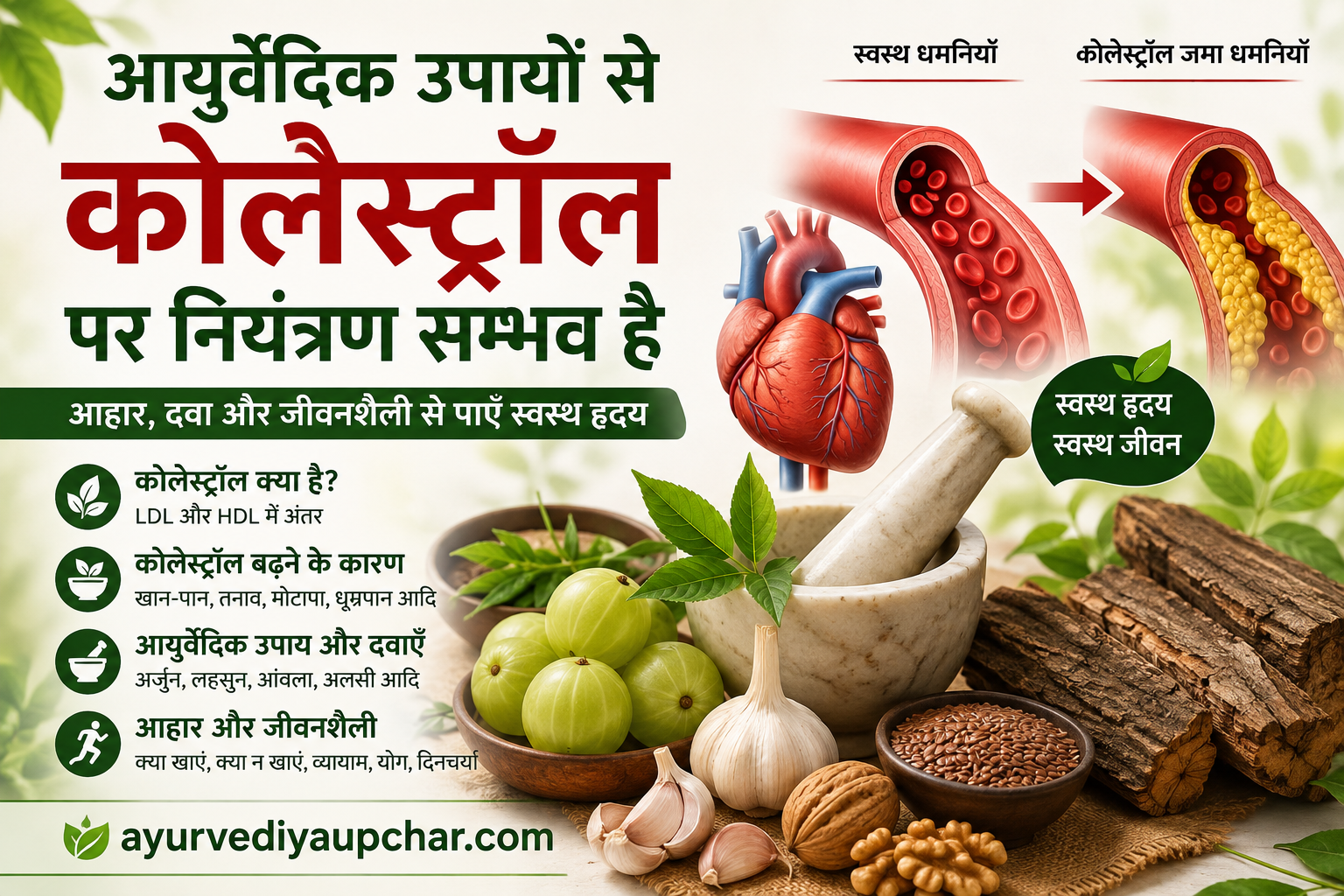
आयुर्वेदिक उपायों और संतुलित आहार द्वारा कोलेस्ट्रॉल पर नियंत्रण संभव है
AYURVEDIYAUPCHAR
At AyurvediyaUpchar, we are dedicated to bringing you the ancient wisdom of Ayurveda to support your journey toward holistic well-being. Our carefully crafted treatments, products, and resources are designed to balance mind, body, and spirit for a healthier, more harmonious life. Explore our range of services and products inspired by centuries-old traditions for natural healing and wellness.
आयुर्वेदीय उपचार में, हम आपको आयुर्वेद के प्राचीन ज्ञान को समग्र कल्याण की ओर आपकी यात्रा में सहायता करने के लिए समर्पित हैं। हमारे सावधानीपूर्वक तैयार किए गए उपचार, उत्पाद और संसाधन स्वस्थ, अधिक सामंजस्यपूर्ण जीवन के लिए मन, शरीर और आत्मा को संतुलित करने के लिए डिज़ाइन किए गए हैं। प्राकृतिक उपचार और कल्याण के लिए सदियों पुरानी परंपराओं से प्रेरित हमारी सेवाओं और उत्पादों की श्रृंखला का अन्वेषण करें।

About AyurvediyaUpchar.com
Welcome to AyurvediyaUpchar.com, your trusted online destination for authentic Ayurvedic remedies, herbal products, and wellness solutions. We are dedicated to bringing the ancient wisdom of Ayurveda into modern lifestyles through high-quality, natural, and effective products.
Our Mission
At AyurvediyaUpchar.com, we strive to promote holistic health and well-being by providing pure, traditional, and scientifically-backed Ayurvedic treatments. Our goal is to make Ayurveda accessible to everyone, helping people lead a healthier and more balanced life naturally.
What We Offer
✅ Authentic Ayurvedic Medicines – Herbal formulations for various health concerns.
✅ Herbal Supplements – Boost immunity, digestion, and overall wellness.
✅ Personal Care Products – Skincare, haircare, and natural beauty solutions.
✅ Wellness & Lifestyle – Detox, stress relief, and rejuvenation products.
✅ Expert Guidance – Informative blogs, health tips, and personalized Ayurvedic consultation.
Why Choose Us?
✔ 100% Natural & Pure Products – Sourced from the finest herbs and ingredients.
✔ Trusted by Ayurveda Experts – Backed by traditional wisdom & modern research.
✔ Secure Online Shopping – Safe payments and easy checkout.
✔ Nationwide Delivery – Get Ayurveda at your doorstep.
✔ Customer Satisfaction – Dedicated support for your health journey.
Join us in embracing Ayurveda for a healthier, happier, and more natural life!
For any queries, feel free to contact us at Info@ayurvediyaupchar.com