






Is High Cortisol Silently Destroying Your Metabolism?

The 2026 Deep Guide to Stress Hormones, Belly Fat, Sleep & Hormonal Imbalance in America
America is tired.
Not just physically — hormonally.
Millions of people are:
-
Sleeping 7–8 hours but waking exhausted
-
Dieting but gaining belly fat
-
Exercising but feeling inflamed
-
Meditating but still anxious
The problem may not be calories.
It may not be carbs.
It may not even be motivation.
It may be chronically elevated cortisol.
And here’s the uncomfortable truth:
Modern American life is almost perfectly designed to dysregulate your stress hormones.
This guide goes beyond surface advice.
We are diving into the actual biology.
Understanding Cortisol at the Cellular Level
Cortisol is produced by your adrenal glands as part of the HPA axis (Hypothalamic–Pituitary–Adrenal axis).
This system works like a hormonal command chain:
-
Brain detects stress
-
Hypothalamus signals pituitary
-
Pituitary signals adrenal glands
-
Adrenals release cortisol
In acute stress — this is lifesaving.
In chronic stress — this becomes damaging.
According to the National Institutes of Health, prolonged stress hormone elevation alters metabolic and immune regulation.
The American Cortisol Trap
Why is this happening so frequently in the USA?
Because of:
-
Constant smartphone notifications
-
24/7 work culture
-
Financial pressure
-
Ultra-processed food diets
-
Artificial light exposure at night
-
Excess caffeine intake
-
Reduced sunlight exposure
Your nervous system interprets all of this as threat signals.
And threat = cortisol release.
The Belly Fat Mechanism (Real Science)
Let’s go deeper than “stress causes weight gain.”
When cortisol rises:
-
Liver increases gluconeogenesis
-
Blood sugar rises
-
Insulin rises
-
Fat storage signals activate
Abdominal fat cells have more glucocorticoid receptors.
Meaning:
Belly fat is biologically more sensitive to cortisol.
This is why someone can:
-
Eat clean
-
Exercise
-
Count calories
And still struggle with central obesity.
Research published in multiple metabolic studies confirms chronic stress contributes to visceral fat accumulation.
The Cleveland Clinic also highlights stress as a major metabolic disruptor.
Cortisol and Blood Sugar Chaos
Cortisol increases blood glucose availability for survival.
But in modern sedentary life:
That glucose isn’t burned.
It gets stored.
This contributes to:
-
Insulin resistance
-
Pre-diabetes risk
-
Fatigue after meals
-
Sugar cravings
And the cycle continues.
The Sleep Destruction Loop
Cortisol should:
-
Peak at 8 AM
-
Drop by night
But stress reverses this rhythm.
High nighttime cortisol blocks melatonin.
Symptoms:
-
2–4 AM awakenings
-
Racing thoughts
-
Night anxiety
-
Light sleep
-
Morning fatigue
Sleep loss then increases cortisol the next day.
This is one of the most common hormonal feedback loops in America today.
The American Psychological Association repeatedly reports chronic stress is widespread across U.S. adults.
Cortisol and Women’s Hormone Disruption
Chronic stress diverts pregnenolone toward cortisol production.
This reduces progesterone.
Effects:
-
PMS
-
Irregular cycles
-
Fertility challenges
-
Mood swings
-
Low libido
High cortisol also disrupts thyroid conversion (T4 → T3).
Meaning:
Stress can slow metabolism indirectly.
Cortisol and Immune Suppression
Initially, cortisol suppresses inflammation.
Long term?
It dysregulates immune signaling.
This can increase risk for:
-
Autoimmune flare-ups
-
Frequent infections
-
Slow recovery
-
Chronic inflammation
? Internal linking suggestion for your website:
-
“How Stress Weakens Immunity”
-
“Anti-Inflammatory Diet Guide”
-
“Natural Ways to Boost Immune Health”
This builds topical authority cluster.
Cortisol and the Gut Microbiome
Emerging research shows:
Stress alters gut bacteria composition.
Poor gut health increases systemic inflammation.
Inflammation increases stress response sensitivity.
This creates a bidirectional loop between gut and brain.
? Internal linking suggestion:
-
“Gut Health and Hormone Balance”
-
“Best Foods for Digestion”
Who Is Most at Risk in the USA?
-
Corporate professionals
-
Entrepreneurs
-
Healthcare workers
-
Night shift employees
-
Parents of young children
-
Chronic dieters
-
High caffeine users
If you fall into multiple categories — your cortisol load may be elevated.
12 Evidence-Based Ways to Lower Cortisol Naturally
Now we move into solution mode.
1. Sleep Optimization
-
Sleep before 11 PM
-
No screens 90 minutes before bed
-
Cool dark room
-
Magnesium support (if approved by doctor)
2. Morning Light Exposure
10–20 minutes sunlight within first hour of waking.
This resets circadian rhythm.
3. Blood Sugar Stabilization
Eat:
-
30g protein breakfast
-
Fiber
-
Healthy fats
Avoid skipping meals.
4. Strength Training (Moderate)
3 sessions per week improve insulin sensitivity without overtraining stress.
5. Limit HIIT Overuse
Chronic intense cardio can elevate cortisol further.
6. Breathwork
Box breathing (4-4-4-4 pattern) reduces sympathetic activation.
7. Adaptogenic Support
Withania somnifera
Some studies suggest stress modulation benefits.
Always consult provider before use.
8. Reduce Caffeine Dependency
Caffeine spikes cortisol for hours.
Switch to green tea in afternoon.
9. Digital Detox Evenings
Blue light + dopamine overstimulation increases stress reactivity.
10. Anti-Inflammatory Nutrition
Increase:
-
Omega-3 fatty acids
-
Leafy greens
-
Berries
-
Turmeric
-
Olive oil
Reduce:
-
Alcohol
-
Ultra-processed food
-
Refined sugar
11. Psychological Stress Work
-
Journaling
-
Therapy
-
Gratitude practice
-
Nature exposure
12. Social Connection
Loneliness increases stress biomarkers.
Human connection lowers cortisol.
30-Day Cortisol Reset Plan
Week 1:
-
Sleep + light exposure
Week 2:
-
Blood sugar balance + reduce caffeine
Week 3:
-
Add strength training
Week 4:
-
Add breathwork + digital detox
Small shifts compound.
When to Seek Medical Testing
Ask provider about:
-
AM cortisol
-
Saliva cortisol curve
-
DHEA ratio
If symptoms severe, rule out:
Cushing's syndrome
Final Thoughts: Your Body Is Not Broken
Cortisol is not your enemy.
It is your survival hormone.
But your nervous system was designed for short threats — not constant modern stimulation.
Lower the noise.
Regulate your rhythm.
Stabilize blood sugar.
Prioritize sleep.
Your metabolism will follow.
Recent Posts
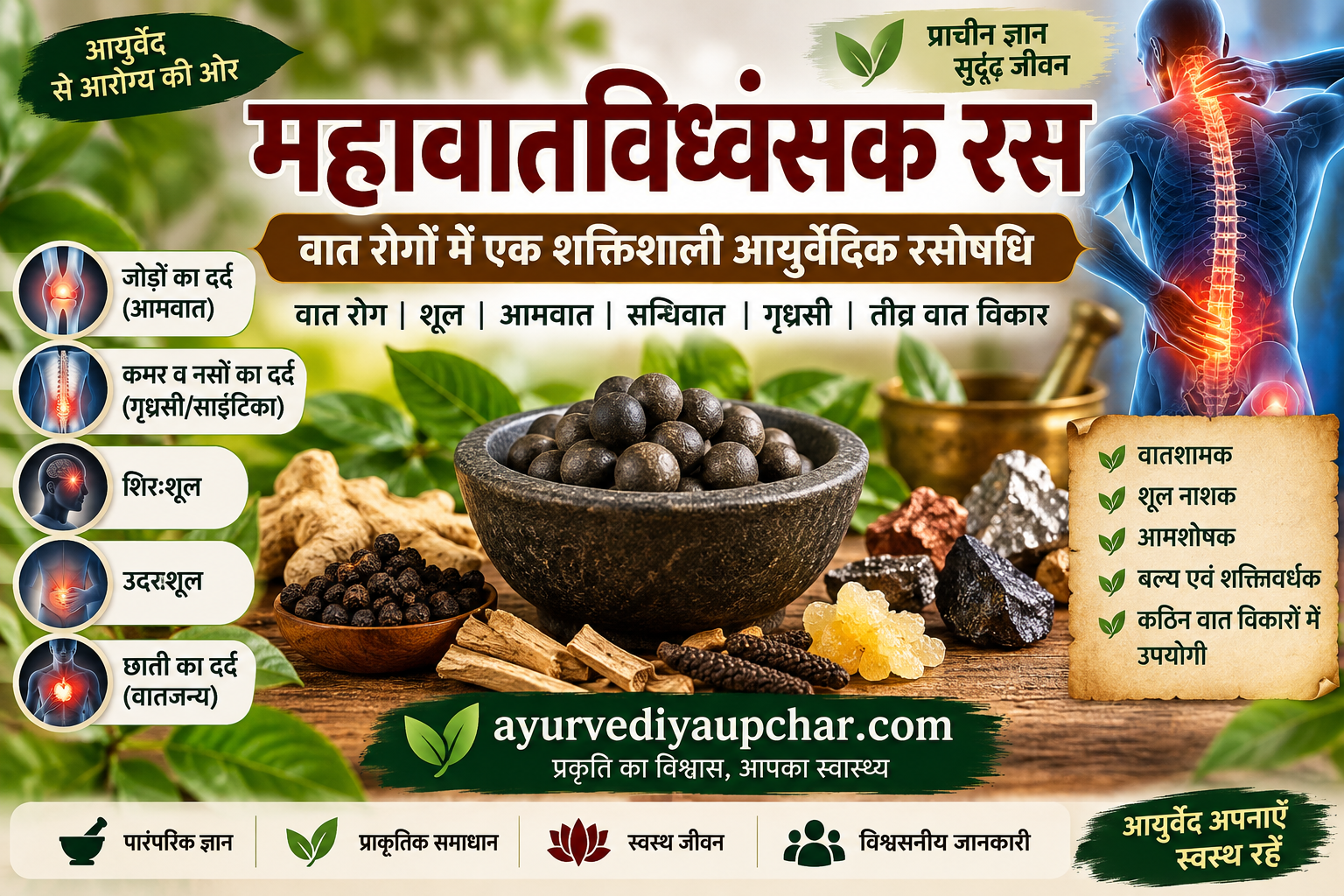
महावातविध्वंसक रस: वात विकारों और तीव्र शूल में पारंपरिक आयुर्वेदिक उपयोग
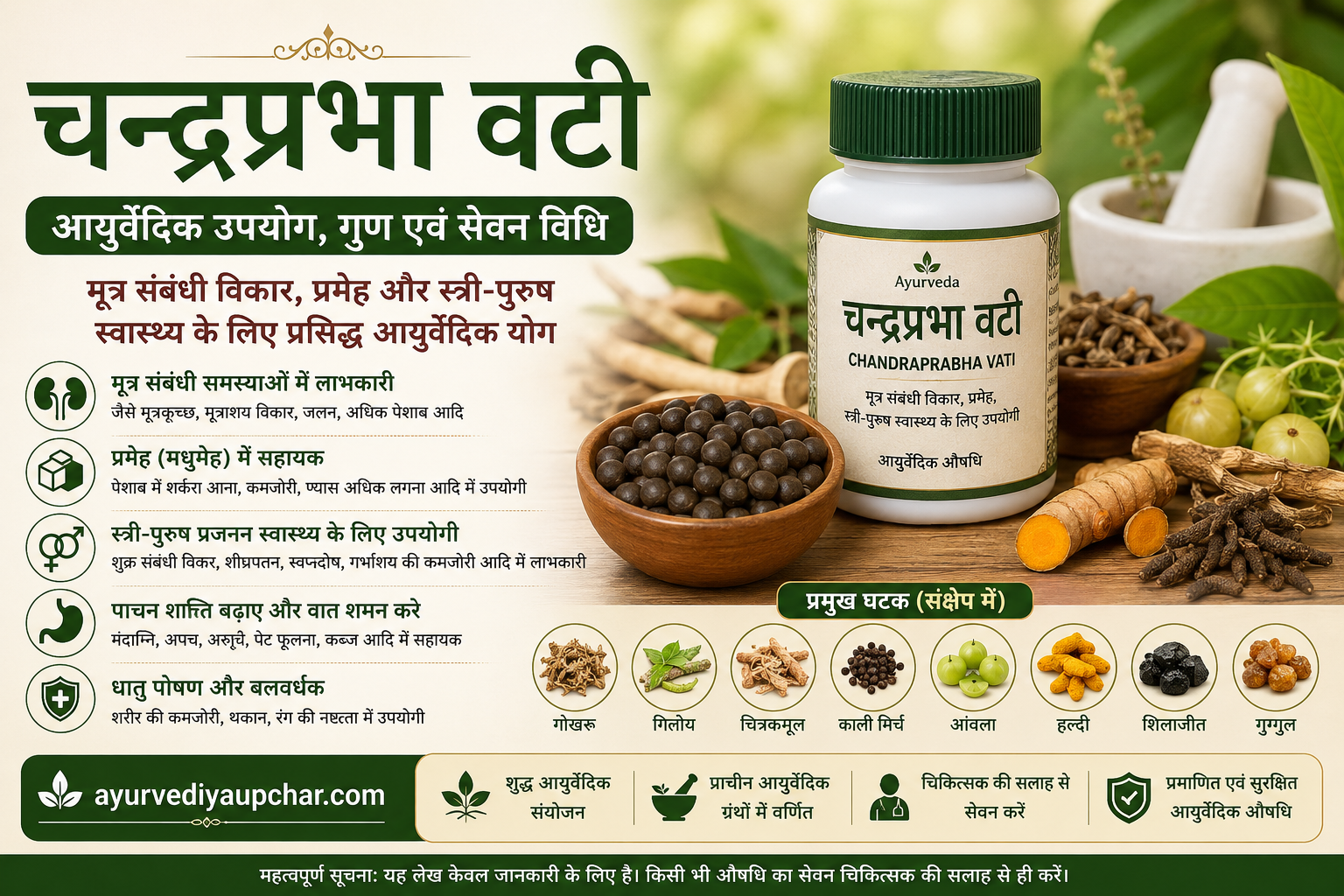
चन्द्रप्रभा वटी: आयुर्वेद में उपयोग, घटक, पारंपरिक गुण और सेवन विधि
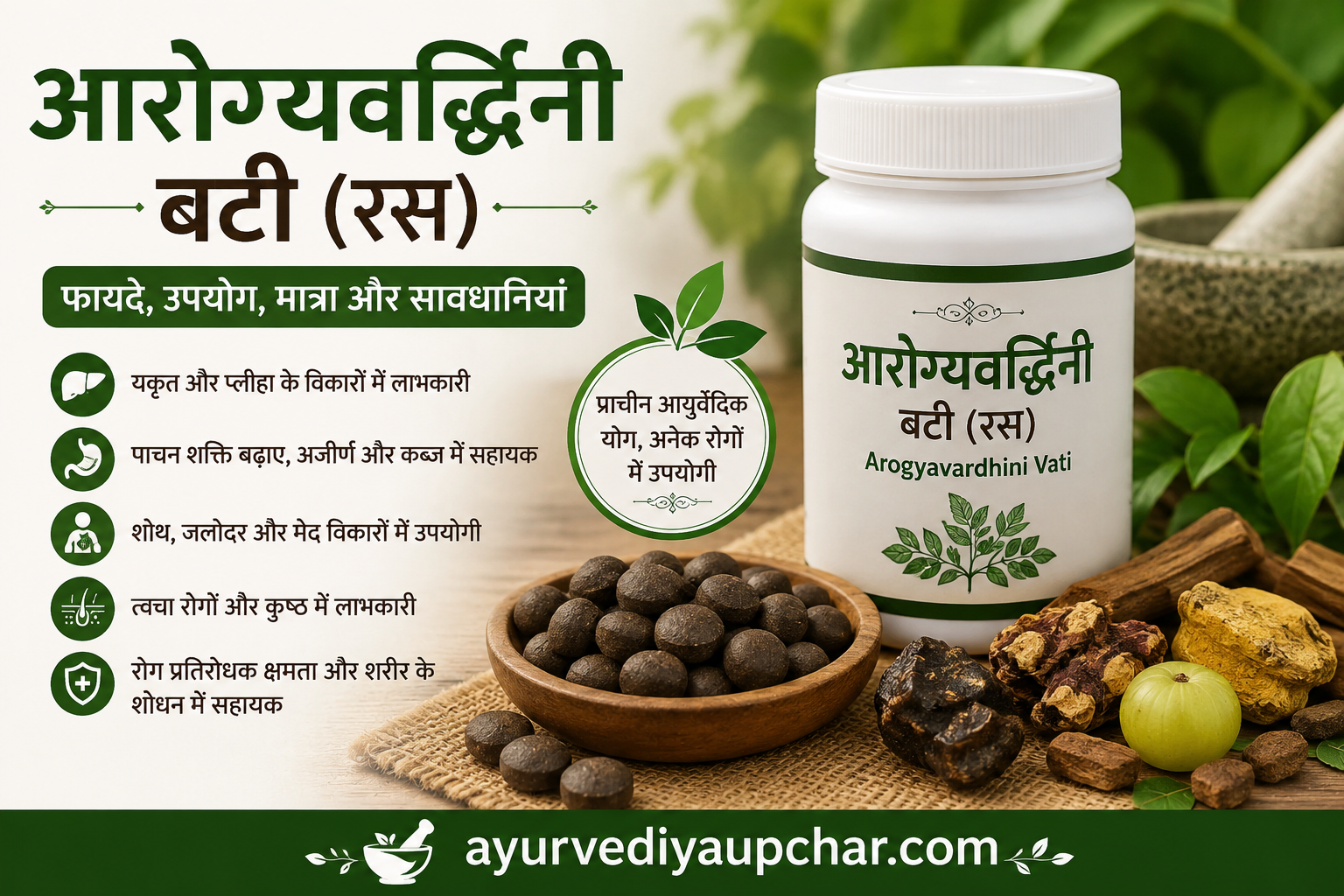
आरोग्यवर्द्धिनी बटी (रस): परिचय, घटक, निर्माण विधि, मात्रा, अनुपान और पारंपरिक उपयोग
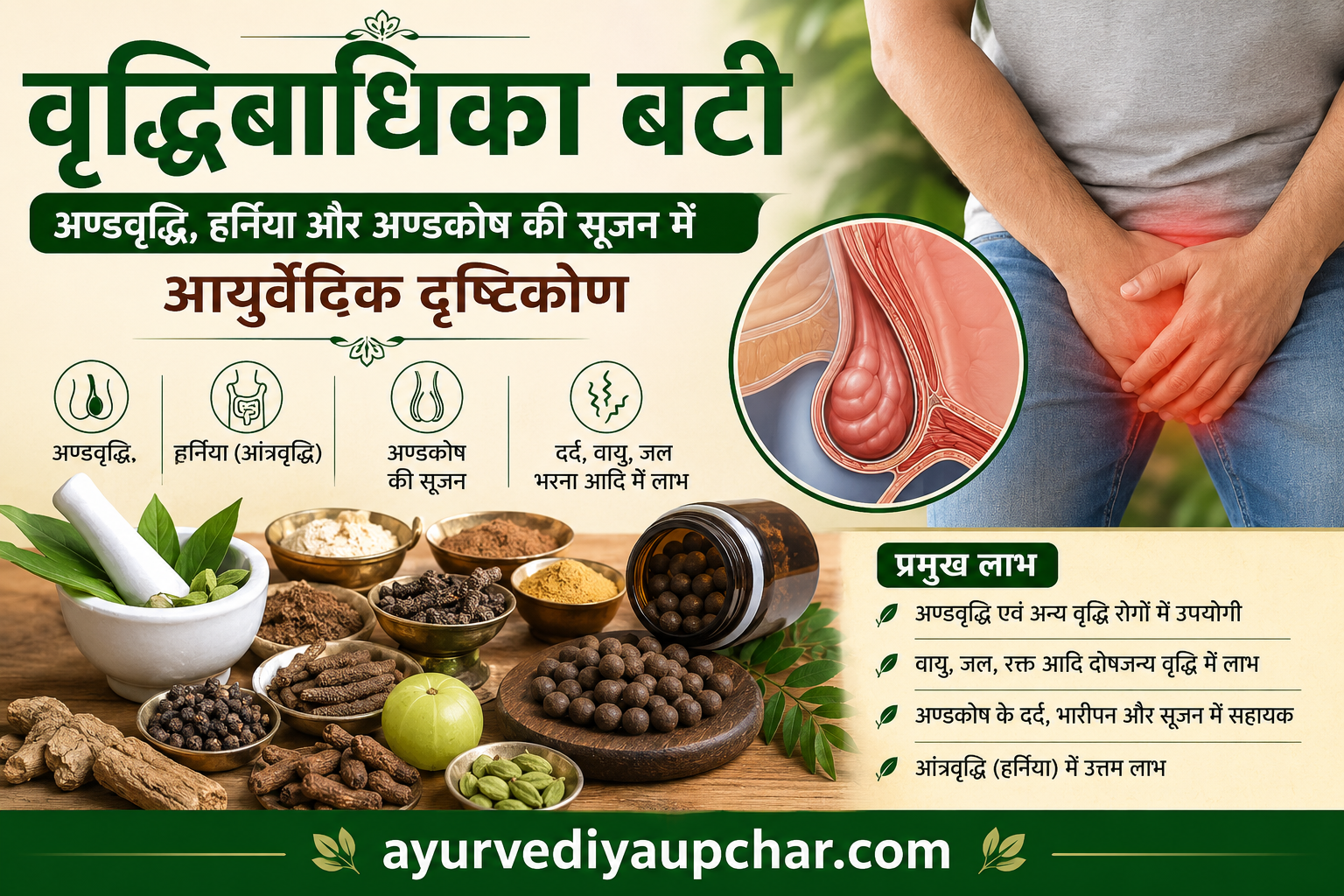
वृद्धिबाधिका बटी: अण्डवृद्धि, अण्डकोष में सूजन और हर्निया के संबंध में आयुर्वेदिक दृष्टिकोण
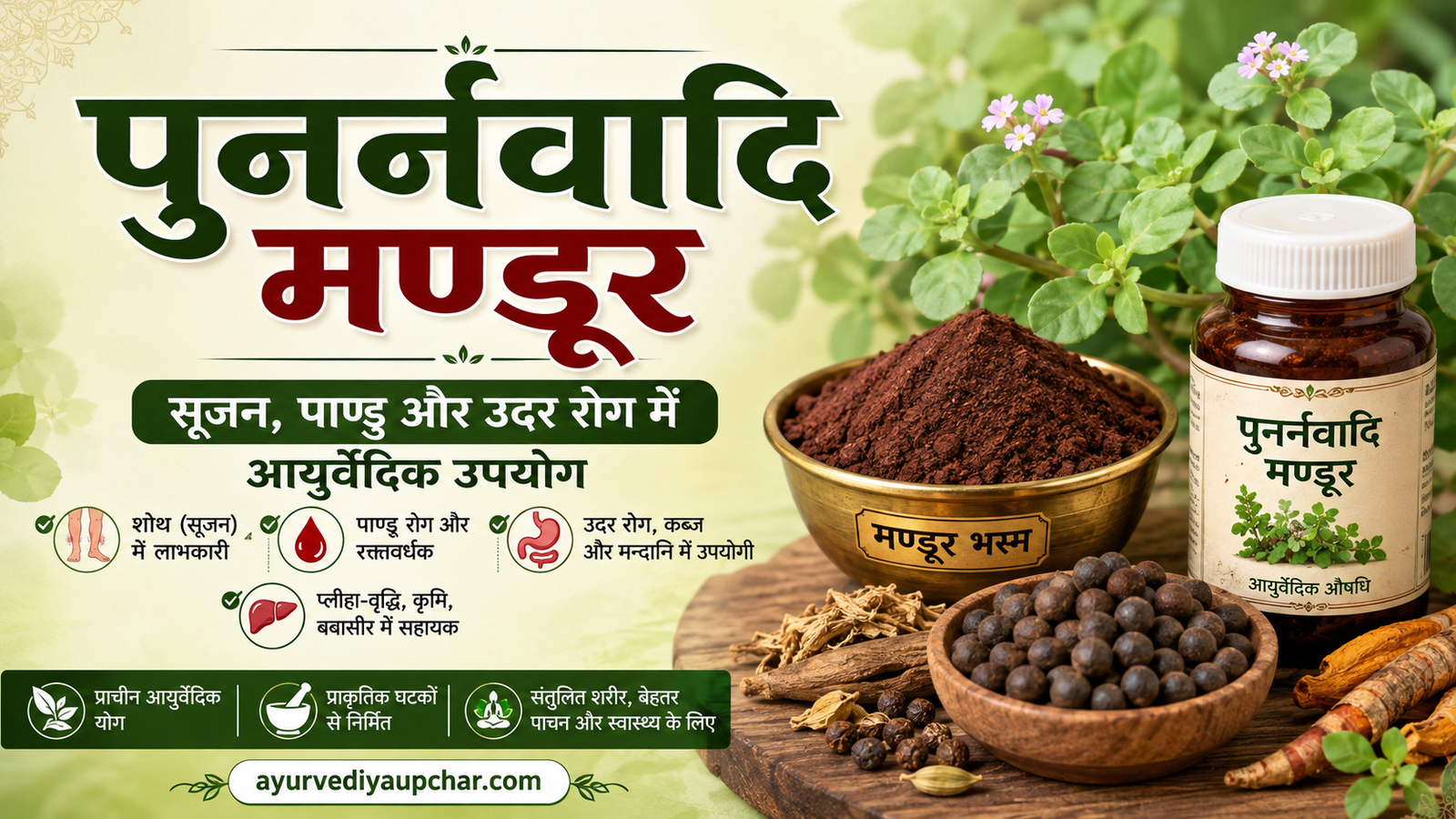
पुनर्नवादि मण्डूर: सूजन, पाण्डु और उदर विकारों में प्रसिद्ध आयुर्वेदिक योग
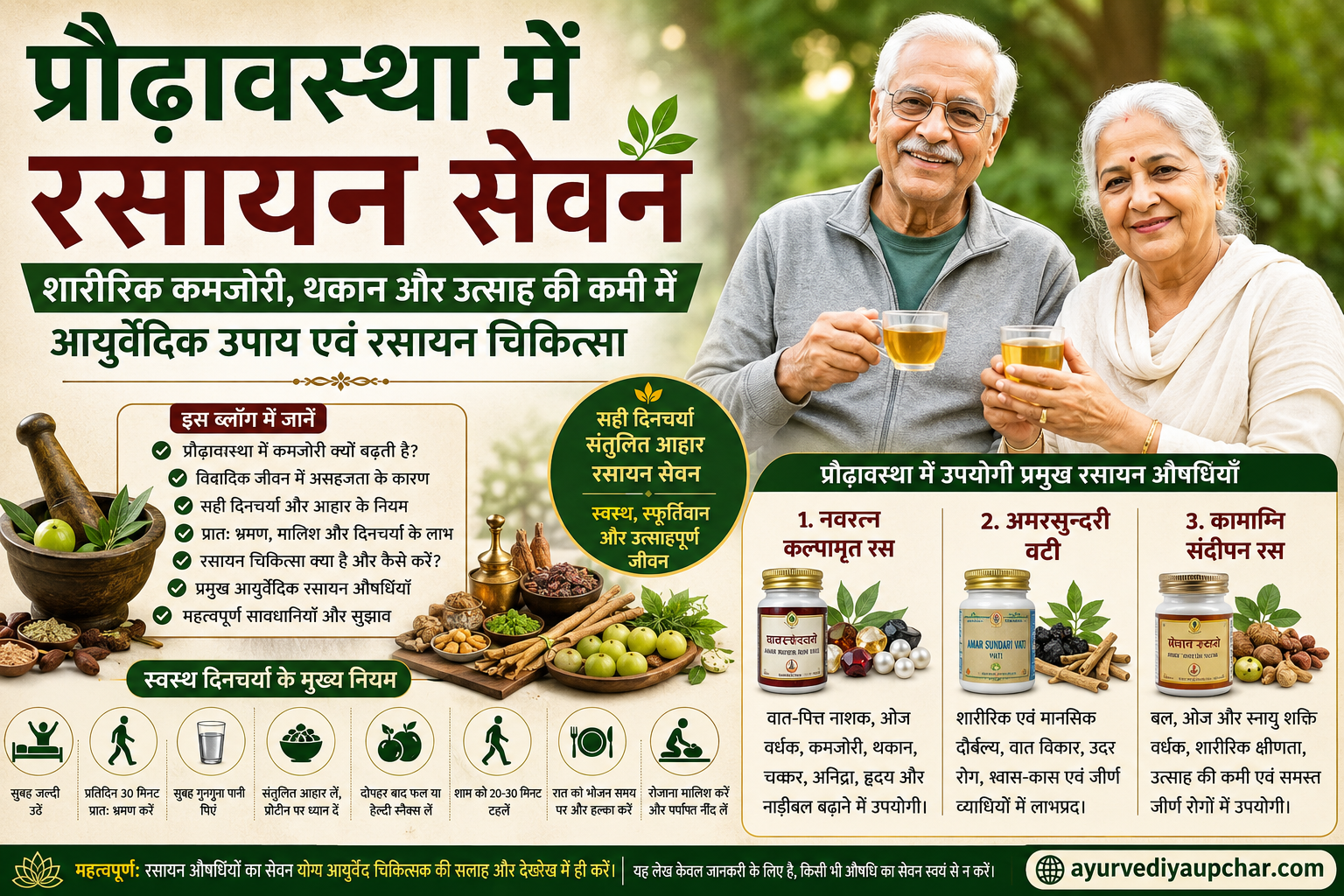
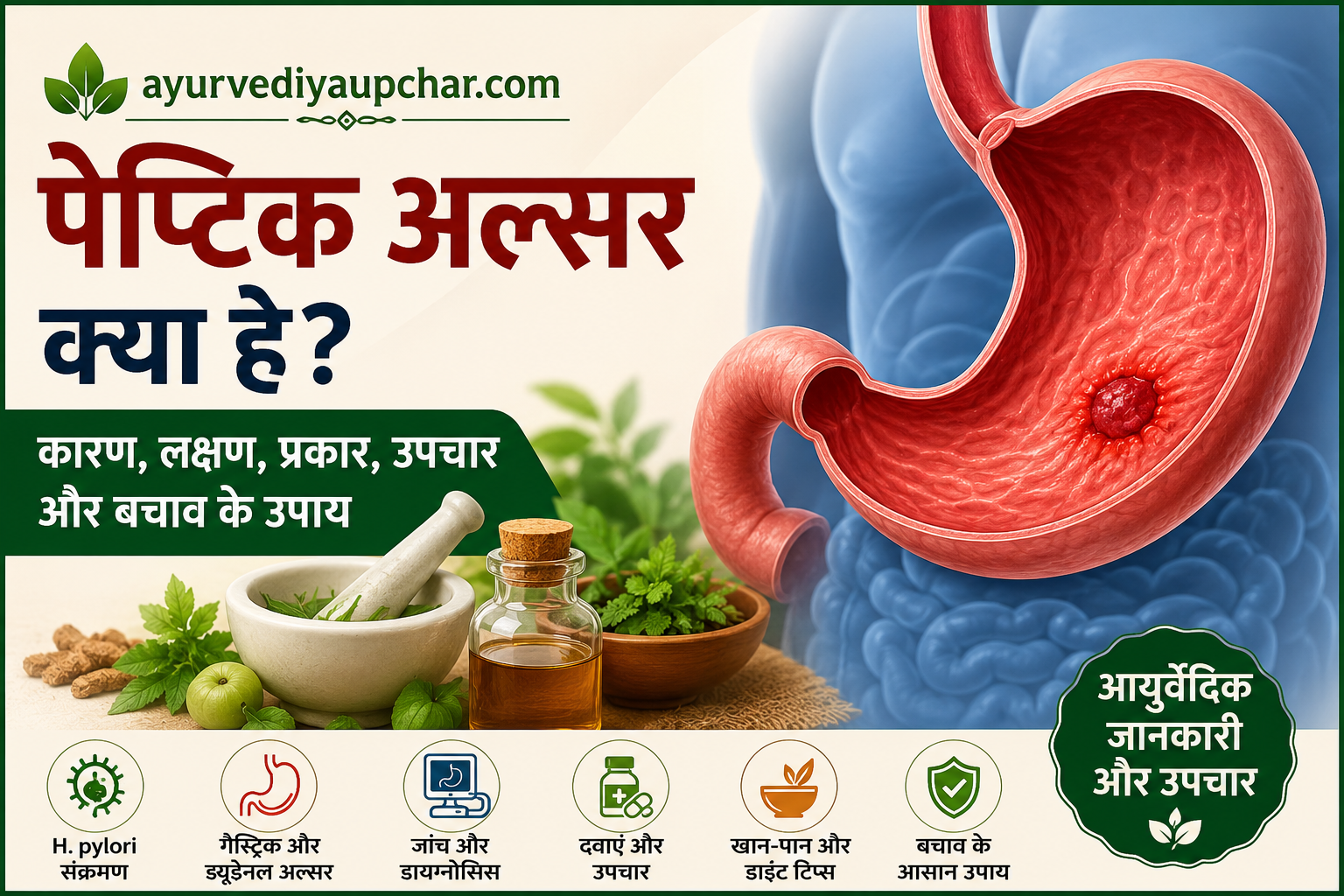
एक आम बीमारी: पेप्टिक अल्सर — कारण, लक्षण, प्रकार, पहचान और उपचार
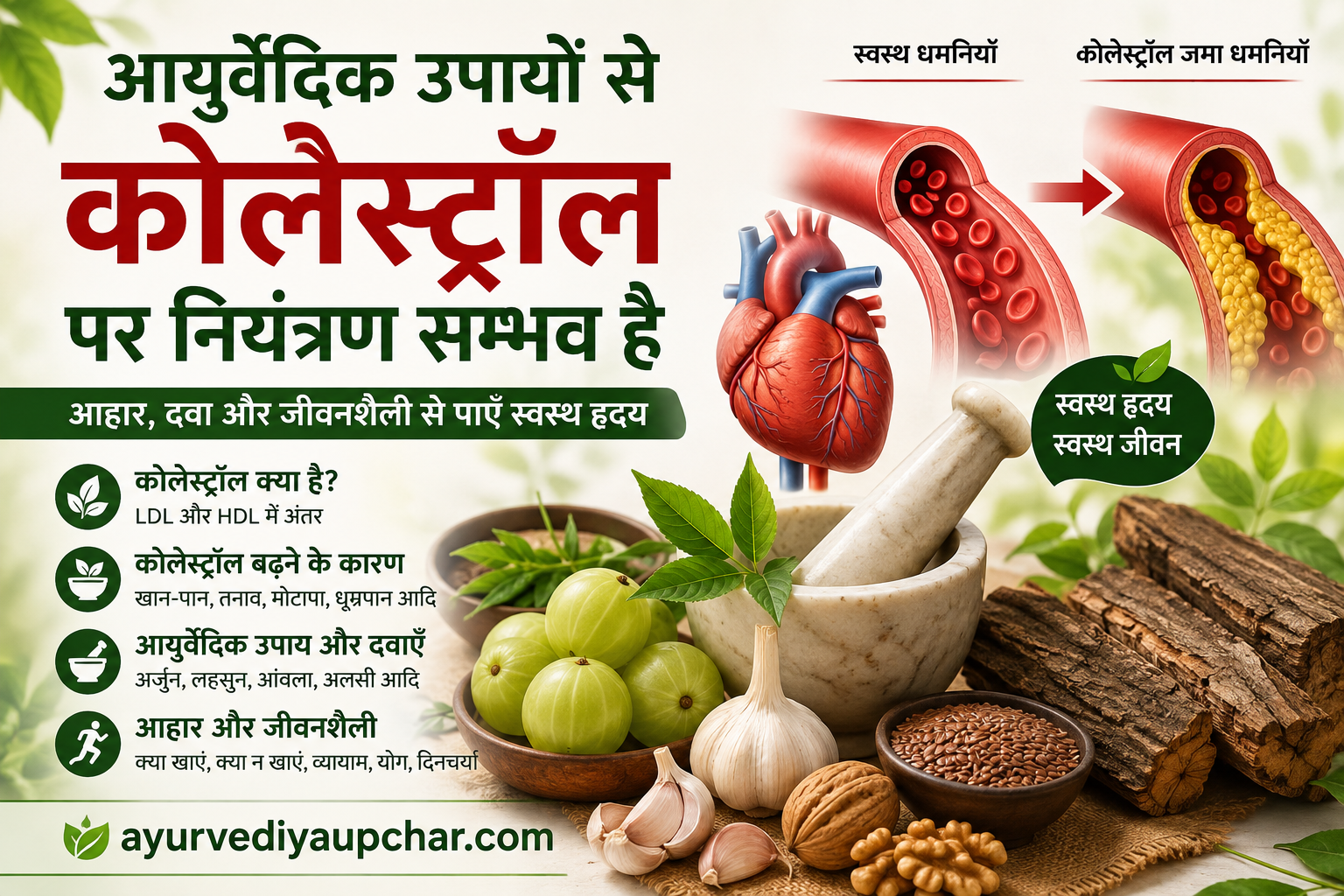
आयुर्वेदिक उपायों और संतुलित आहार द्वारा कोलेस्ट्रॉल पर नियंत्रण संभव है
AYURVEDIYAUPCHAR
At AyurvediyaUpchar, we are dedicated to bringing you the ancient wisdom of Ayurveda to support your journey toward holistic well-being. Our carefully crafted treatments, products, and resources are designed to balance mind, body, and spirit for a healthier, more harmonious life. Explore our range of services and products inspired by centuries-old traditions for natural healing and wellness.
आयुर्वेदीय उपचार में, हम आपको आयुर्वेद के प्राचीन ज्ञान को समग्र कल्याण की ओर आपकी यात्रा में सहायता करने के लिए समर्पित हैं। हमारे सावधानीपूर्वक तैयार किए गए उपचार, उत्पाद और संसाधन स्वस्थ, अधिक सामंजस्यपूर्ण जीवन के लिए मन, शरीर और आत्मा को संतुलित करने के लिए डिज़ाइन किए गए हैं। प्राकृतिक उपचार और कल्याण के लिए सदियों पुरानी परंपराओं से प्रेरित हमारी सेवाओं और उत्पादों की श्रृंखला का अन्वेषण करें।

About AyurvediyaUpchar.com
Welcome to AyurvediyaUpchar.com, your trusted online destination for authentic Ayurvedic remedies, herbal products, and wellness solutions. We are dedicated to bringing the ancient wisdom of Ayurveda into modern lifestyles through high-quality, natural, and effective products.
Our Mission
At AyurvediyaUpchar.com, we strive to promote holistic health and well-being by providing pure, traditional, and scientifically-backed Ayurvedic treatments. Our goal is to make Ayurveda accessible to everyone, helping people lead a healthier and more balanced life naturally.
What We Offer
✅ Authentic Ayurvedic Medicines – Herbal formulations for various health concerns.
✅ Herbal Supplements – Boost immunity, digestion, and overall wellness.
✅ Personal Care Products – Skincare, haircare, and natural beauty solutions.
✅ Wellness & Lifestyle – Detox, stress relief, and rejuvenation products.
✅ Expert Guidance – Informative blogs, health tips, and personalized Ayurvedic consultation.
Why Choose Us?
✔ 100% Natural & Pure Products – Sourced from the finest herbs and ingredients.
✔ Trusted by Ayurveda Experts – Backed by traditional wisdom & modern research.
✔ Secure Online Shopping – Safe payments and easy checkout.
✔ Nationwide Delivery – Get Ayurveda at your doorstep.
✔ Customer Satisfaction – Dedicated support for your health journey.
Join us in embracing Ayurveda for a healthier, happier, and more natural life!
For any queries, feel free to contact us at Info@ayurvediyaupchar.com