






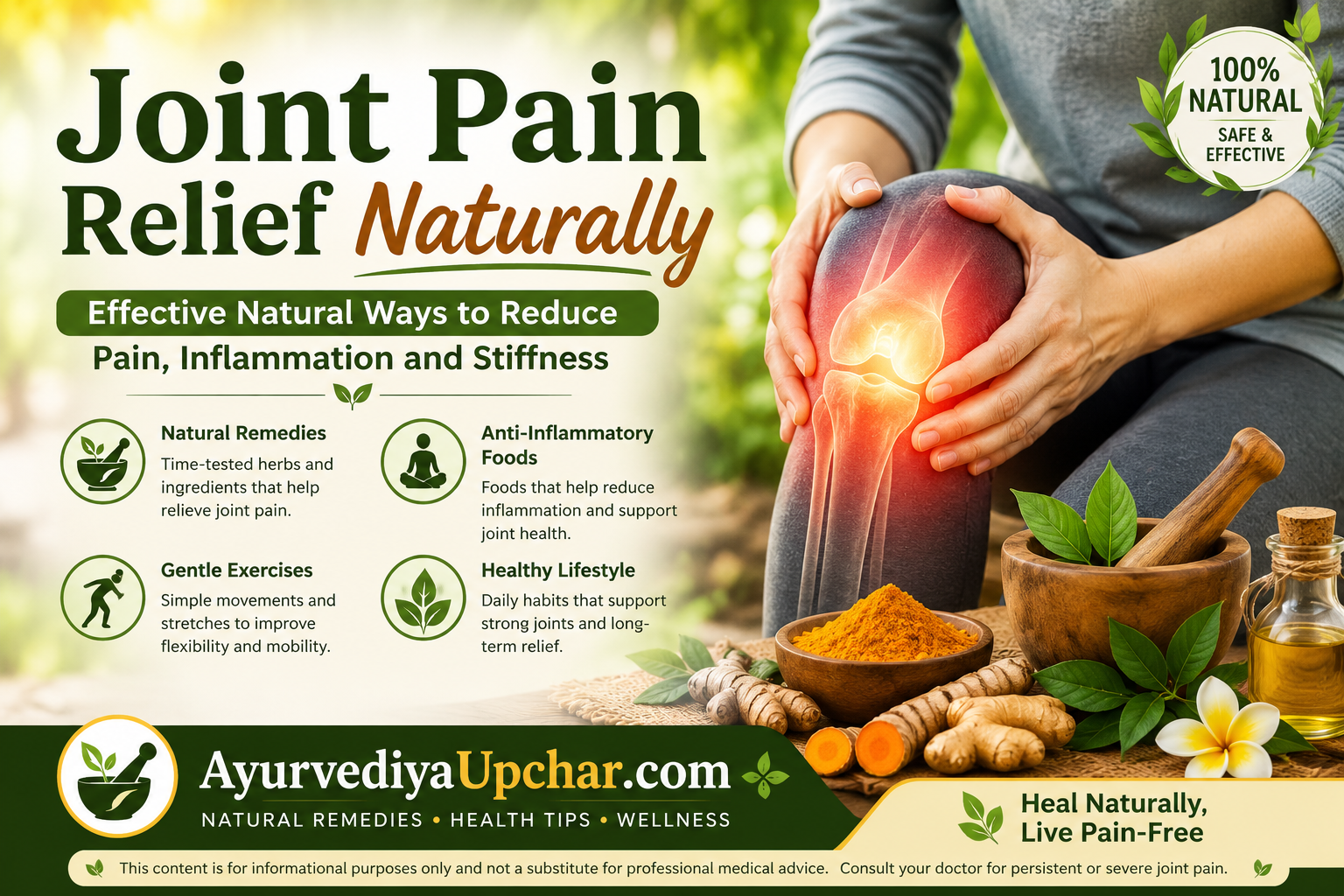
Joint Pain Relief Naturally: 10 Science-Backed Ways to Reduce Pain and Stay Active
Introduction
Joint pain is one of the most common health concerns affecting adults in the United States. Whether it's a stiff knee after climbing stairs, aching fingers in the morning, or sore hips after a long walk, joint discomfort can make everyday activities more challenging. According to health experts, millions of Americans experience joint pain due to aging, overuse, injuries, arthritis, excess weight, or other health conditions.
The good news is that not every case of joint pain requires invasive treatments. In many situations, simple lifestyle changes, regular movement, healthy eating habits, and natural remedies may help reduce discomfort and improve mobility. While these approaches may not cure the underlying condition, they can support joint health and improve your quality of life.
In this guide, you'll discover natural, evidence-informed ways to relieve joint pain, reduce inflammation, and protect your joints for years to come.
Medical Disclaimer: This article is for educational purposes only and should not replace professional medical advice. If your joint pain is severe, persistent, or accompanied by swelling, fever, redness, or inability to bear weight, seek medical evaluation promptly.
What Causes Joint Pain?
Joint pain is a symptom—not a disease. Understanding the cause is the first step toward choosing the right treatment.
Common causes include:
1. Osteoarthritis
The most common form of arthritis, osteoarthritis develops when the protective cartilage that cushions your joints gradually wears down. It commonly affects the knees, hips, hands, and spine.
2. Rheumatoid Arthritis
An autoimmune condition where the immune system attacks healthy joint tissue, leading to inflammation, pain, and stiffness.
3. Injuries
Sports injuries, falls, or accidents can damage ligaments, tendons, or cartilage, resulting in temporary or long-term joint pain.
4. Overuse
Repeated movements from work, exercise, or daily activities can strain joints over time.
5. Excess Body Weight
Every extra pound places additional stress on weight-bearing joints such as the knees and hips. Losing even a small amount of weight can significantly reduce joint pressure.
6. Inflammation
Inflammation caused by chronic conditions, poor diet, or lifestyle factors may contribute to joint discomfort and stiffness.
Common Symptoms of Joint Problems
Joint pain may look different for each person, but common symptoms include:
Pain during movement
Morning stiffness
Swelling around the joint
Reduced flexibility
Clicking or grinding sounds
Tenderness when touched
Warmth or redness around the joint
Difficulty walking or climbing stairs
If symptoms last longer than a few weeks or continue to worsen, it's important to consult a healthcare provider.
Can Joint Pain Improve Naturally?
In many cases, yes.
Although chronic conditions like osteoarthritis cannot be completely reversed, healthy lifestyle habits may help:
Reduce inflammation
Improve flexibility
Strengthen supporting muscles
Increase joint stability
Slow further joint damage
Improve overall quality of life
Natural approaches work best when combined with professional medical care whenever necessary.
1. Stay Physically Active
Many people avoid exercise because they worry it will worsen joint pain. Surprisingly, the opposite is often true.
Regular, low-impact exercise strengthens the muscles surrounding your joints, improves flexibility, and helps lubricate the joints through movement.
Best Low-Impact Exercises
Walking
Walking is one of the easiest and most effective activities for maintaining joint mobility. Start with 15–20 minutes daily and gradually increase your duration.
Swimming
Water supports your body weight, reducing stress on painful joints while allowing a full range of motion.
Cycling
Stationary or outdoor cycling provides cardiovascular benefits while placing less impact on the knees compared to running.
Yoga
Gentle yoga can improve flexibility, posture, and balance while helping reduce muscle tension.
Tai Chi
This slow, mindful form of movement has been shown to improve balance and joint function, especially in older adults.
Tip: Aim for at least 150 minutes of moderate physical activity per week, as recommended by health authorities, but always adapt your routine to your fitness level and any medical advice you have received.
2. Maintain a Healthy Weight
One of the most effective ways to reduce joint pain naturally is by maintaining a healthy body weight.
Extra weight increases pressure on weight-bearing joints. Research suggests that even modest weight loss can lead to meaningful improvements in pain and physical function, particularly for people with knee osteoarthritis.
Practical Weight Management Tips
Choose whole foods over highly processed snacks.
Increase your intake of vegetables and fruits.
Eat lean sources of protein.
Replace sugary drinks with water.
Watch portion sizes.
Stay physically active most days of the week.
Remember, healthy weight loss is gradual. Focus on sustainable habits rather than restrictive diets.
3. Eat Anti-Inflammatory Foods
Your diet plays a significant role in supporting joint health.
Certain foods contain nutrients and antioxidants that may help reduce inflammation and support healthy joints.
Fatty Fish
Salmon, sardines, trout, and mackerel are rich in omega-3 fatty acids, which are associated with anti-inflammatory effects.
Aim for two servings of fatty fish each week if appropriate for your dietary preferences.
Colorful Fruits
Berries, cherries, oranges, and grapes provide antioxidants that help protect cells from oxidative stress.
Leafy Green Vegetables
Spinach, kale, broccoli, and collard greens are packed with vitamins and minerals that support overall health.
Olive Oil
Extra virgin olive oil is a staple of the Mediterranean diet and contains healthy fats that may support heart and joint health.
Nuts and Seeds
Walnuts, almonds, chia seeds, and flaxseeds provide healthy fats, fiber, and important nutrients.
Foods That May Increase Inflammation
While no single food directly causes arthritis, reducing certain processed foods may support overall health.
Try limiting:
Sugary beverages
Processed snacks
Fried foods
Excessive processed meats
Highly refined carbohydrates
Excess alcohol
Instead, focus on building balanced meals centered around whole, minimally processed foods.
Why Consistency Matters
Natural joint pain relief isn't about finding one miracle remedy.
Small, healthy habits practiced consistently—such as regular movement, balanced nutrition, and maintaining a healthy weight—often provide better long-term results than quick fixes.
Improving joint health is a journey, not an overnight transformation.
4. Try Turmeric and Curcumin
Turmeric has been used in traditional wellness practices for centuries, and today it is one of the most researched natural ingredients for supporting joint health.
Its active compound, curcumin, has antioxidant and anti-inflammatory properties that may help reduce inflammation associated with joint discomfort. While curcumin is not a cure for arthritis or chronic joint disease, some studies suggest it may help improve symptoms in certain individuals when used as part of an overall healthy lifestyle.
How to Include Turmeric in Your Diet
You don't have to rely on supplements to enjoy turmeric. Many people add it to everyday meals, such as:
- Soups
- Vegetable curries
- Rice dishes
- Smoothies
- Golden milk
- Roasted vegetables
Adding a small amount of black pepper may improve curcumin absorption because black pepper contains piperine, a compound that enhances bioavailability.
Important: If you take blood-thinning medication or have gallbladder disease, speak with your healthcare provider before using turmeric supplements.
5. Use Heat and Cold Therapy
Simple home treatments can often provide temporary relief from joint pain.
Heat Therapy
Heat helps relax muscles and increase blood flow.
Examples include:
- Warm showers
- Heating pads
- Warm towels
- Warm baths
Heat is especially helpful for morning stiffness or chronic muscle tightness.
Cold Therapy
Cold helps reduce swelling and numb sore tissues.
You can use:
- Ice packs
- Frozen vegetables wrapped in a towel
- Cold gel packs
Apply cold therapy for 15–20 minutes at a time. Never place ice directly on the skin.
6. Strengthen the Muscles Around Your Joints
Strong muscles act like natural shock absorbers.
For example:
- Strong quadriceps support the knees.
- Strong hips reduce pressure on the lower back.
- Strong shoulders improve arm movement.
- A strong core improves posture and reduces strain on many joints.
Simple strengthening exercises include:
- Bodyweight squats (if comfortable)
- Wall sits
- Resistance band exercises
- Leg raises
- Chair squats
- Glute bridges
Start slowly and increase intensity gradually.
If you have severe arthritis or recent injuries, work with a licensed physical therapist.
7. Stretch Every Day
Flexibility is just as important as strength.
Gentle stretching keeps joints moving through their normal range of motion and may reduce stiffness.
Try stretching:
- Hamstrings
- Calves
- Hip flexors
- Lower back
- Shoulders
- Neck
- Wrists
Hold each stretch for 20–30 seconds without bouncing.
Never stretch to the point of sharp pain.
8. Stay Hydrated
Many people underestimate the importance of hydration for joint health.
Cartilage contains a high percentage of water, which helps cushion joints and reduce friction during movement.
Although drinking more water won't cure arthritis, staying hydrated supports overall body function.
General hydration tips include:
- Drink water throughout the day.
- Eat water-rich fruits like watermelon and oranges.
- Limit sugary beverages.
- Increase fluid intake during hot weather or exercise.
9. Prioritize Quality Sleep
Poor sleep and chronic pain often create a frustrating cycle.
Pain makes it harder to sleep, while inadequate sleep may increase pain sensitivity the following day.
Adults should generally aim for 7–9 hours of sleep each night.
Better Sleep Tips
- Go to bed at the same time every day.
- Keep your bedroom cool and dark.
- Avoid caffeine late in the day.
- Reduce screen time before bed.
- Practice relaxation techniques.
Improving sleep may help you better manage discomfort during the day.
10. Manage Stress
Stress doesn't directly damage your joints, but it can increase muscle tension and make pain feel worse.
Healthy stress-management strategies include:
- Meditation
- Deep breathing exercises
- Journaling
- Spending time outdoors
- Listening to relaxing music
- Talking with friends or family
- Practicing gratitude
Even just 10 minutes of relaxation daily can positively affect your overall well-being.
Do Supplements Really Help?
Many people explore supplements for joint health. Some may provide benefits for certain individuals, but results vary.
Common supplements include:
Glucosamine
Some studies suggest glucosamine may help people with mild to moderate osteoarthritis, though evidence is mixed.
Chondroitin
Often combined with glucosamine, chondroitin may help support cartilage health in some individuals.
Collagen Peptides
Collagen supplements have become increasingly popular for supporting joints, skin, and connective tissues.
Omega-3 Fish Oil
Omega-3 fatty acids may help reduce inflammation and support overall joint health.
Vitamin D
Vitamin D is important for bone health. People who are deficient may experience muscle weakness or bone discomfort.
Magnesium
Magnesium supports normal muscle and nerve function and may help reduce muscle tightness in some people.
Always consult your healthcare provider before starting any supplement, especially if you take prescription medications or have chronic health conditions.
Daily Habits That Protect Your Joints
Small lifestyle changes can make a big difference over time.
Try these simple habits:
- Maintain good posture while sitting and standing.
- Lift heavy objects using your legs instead of your back.
- Wear supportive footwear.
- Take breaks if you sit for long periods.
- Warm up before exercising.
- Avoid smoking.
- Limit excessive alcohol consumption.
- Stay physically active throughout the day.
Protecting your joints today can help preserve mobility as you age.
When to See a Doctor
Natural remedies are helpful for many people, but medical evaluation is important if you experience:
- Severe or sudden joint pain
- Significant swelling
- Fever with joint pain
- Joint deformity
- Inability to move the joint
- Pain lasting several weeks despite home care
- Difficulty walking or performing daily activities
Early diagnosis often leads to better long-term outcomes, especially for inflammatory joint conditions.
Best Foods for Joint Health
·
Fatty fish (salmon, sardines, trout) for omega-3
fats.
·
Leafy greens such as spinach and kale.
·
Berries rich in antioxidants.
·
Extra virgin olive oil.
·
Nuts and seeds.
·
Beans and lentils.
·
Low-fat dairy or fortified alternatives.
·
Whole grains instead of refined carbohydrates.
Foods to Limit
·
Sugary drinks
·
Ultra-processed snacks
·
Deep-fried foods
·
Excess alcohol
·
Processed meats
Sample 7-Day Meal Plan
1.
Day 1: Oatmeal + berries; grilled protein with
vegetables for lunch; balanced dinner with vegetables and whole grains; healthy
snack of nuts or yogurt.
2.
Day 2: Oatmeal + berries; grilled protein with
vegetables for lunch; balanced dinner with vegetables and whole grains; healthy
snack of nuts or yogurt.
3.
Day 3: Oatmeal + berries; grilled protein with
vegetables for lunch; balanced dinner with vegetables and whole grains; healthy
snack of nuts or yogurt.
4.
Day 4: Oatmeal + berries; grilled protein with
vegetables for lunch; balanced dinner with vegetables and whole grains; healthy
snack of nuts or yogurt.
5.
Day 5: Oatmeal + berries; grilled protein with
vegetables for lunch; balanced dinner with vegetables and whole grains; healthy
snack of nuts or yogurt.
6.
Day 6: Oatmeal + berries; grilled protein with
vegetables for lunch; balanced dinner with vegetables and whole grains; healthy
snack of nuts or yogurt.
7.
Day 7: Oatmeal + berries; grilled protein with
vegetables for lunch; balanced dinner with vegetables and whole grains; healthy
snack of nuts or yogurt.
Frequently Asked Questions
·
Can exercise reduce joint pain? Yes, low-impact
exercise often improves mobility.
·
Is turmeric a cure? No, but it may support joint
health as part of a healthy lifestyle.
·
When should I see a doctor? If pain is severe,
persistent, or accompanied by swelling, fever, or inability to bear weight.
Conclusion
Natural joint pain relief is most effective when you combine
regular physical activity, a healthy weight, an anti-inflammatory eating
pattern, quality sleep, stress management, and guidance from a healthcare
professional when needed.
Recent Posts
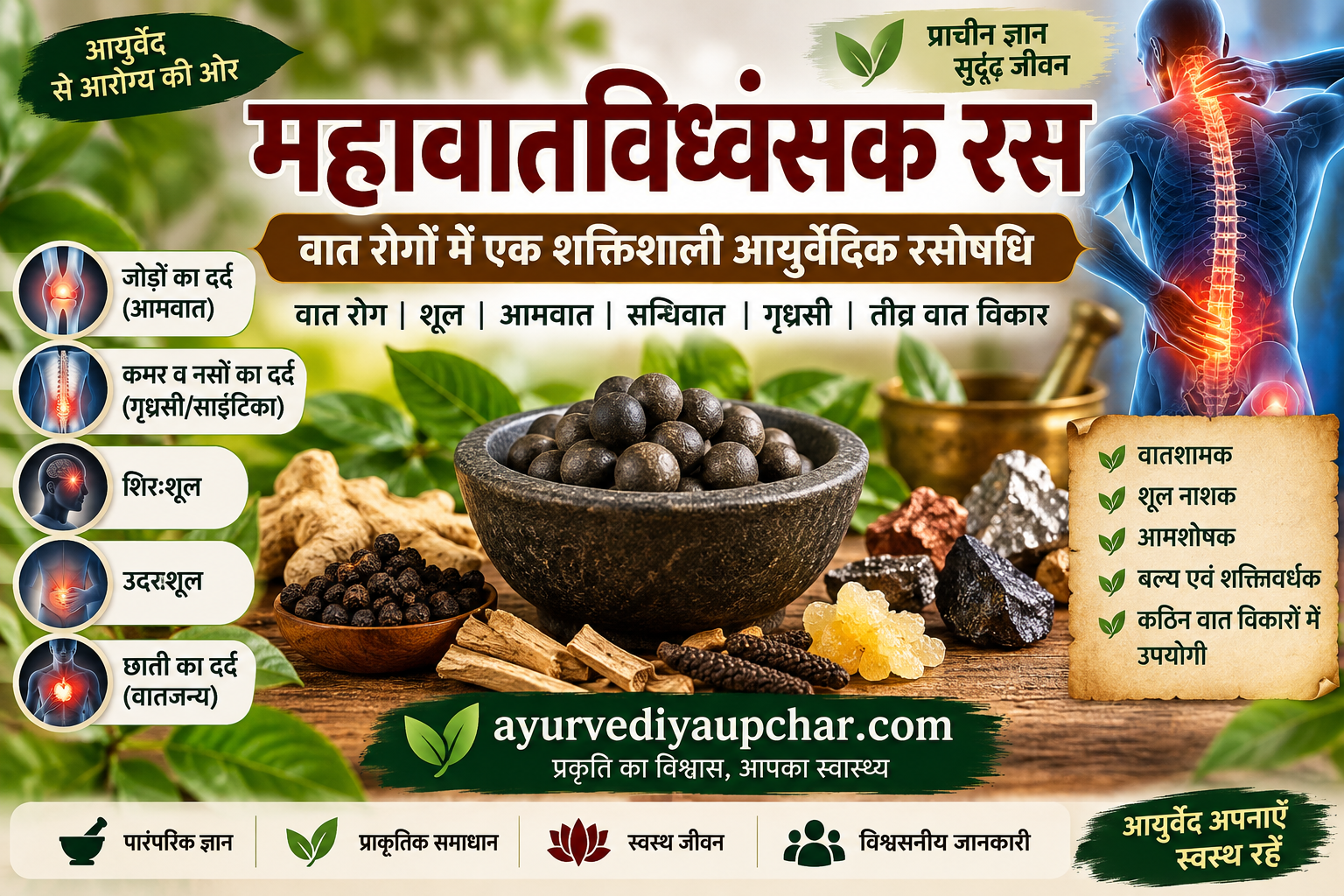
महावातविध्वंसक रस: वात विकारों और तीव्र शूल में पारंपरिक आयुर्वेदिक उपयोग
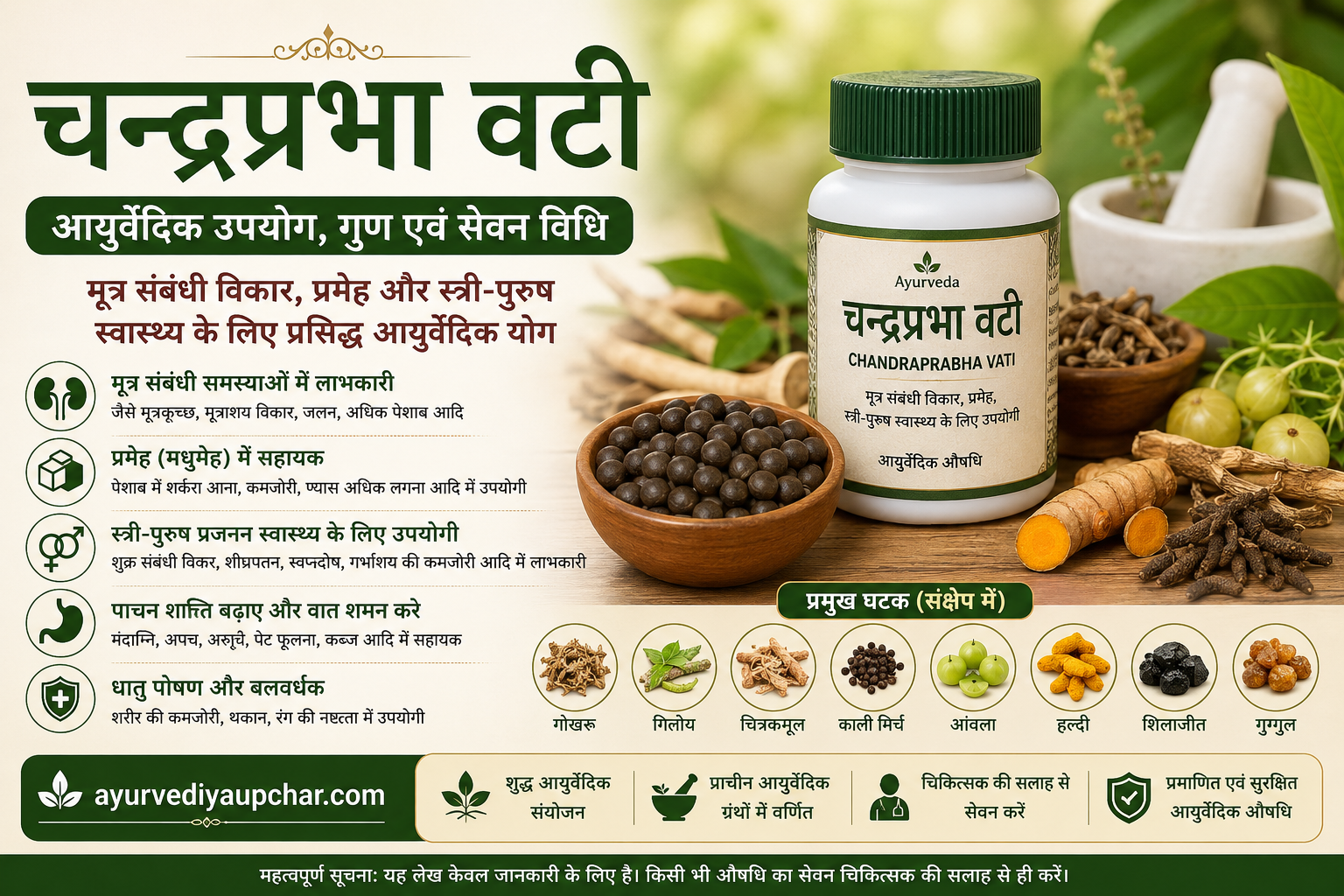
चन्द्रप्रभा वटी: आयुर्वेद में उपयोग, घटक, पारंपरिक गुण और सेवन विधि
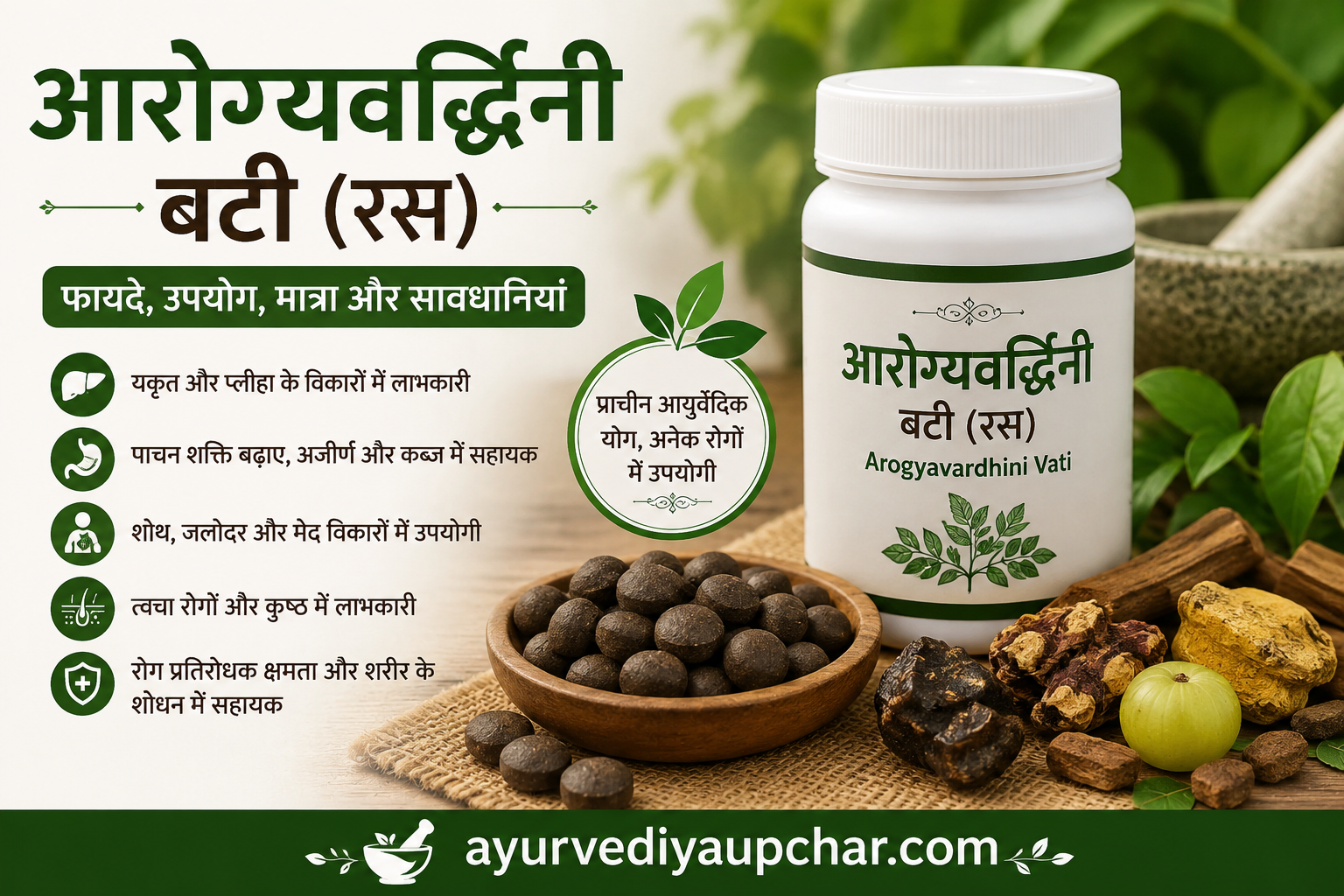
आरोग्यवर्द्धिनी बटी (रस): परिचय, घटक, निर्माण विधि, मात्रा, अनुपान और पारंपरिक उपयोग
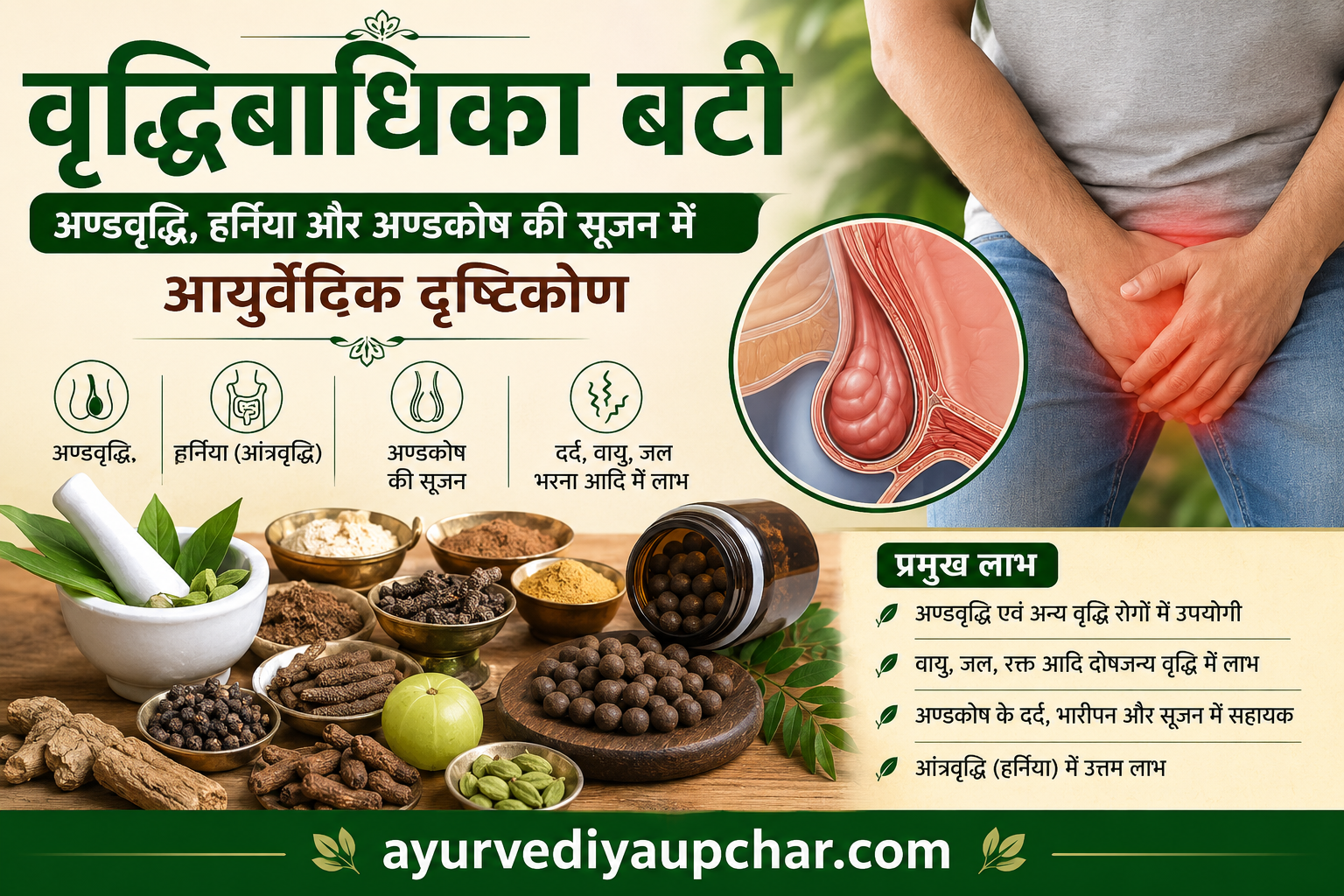
वृद्धिबाधिका बटी: अण्डवृद्धि, अण्डकोष में सूजन और हर्निया के संबंध में आयुर्वेदिक दृष्टिकोण
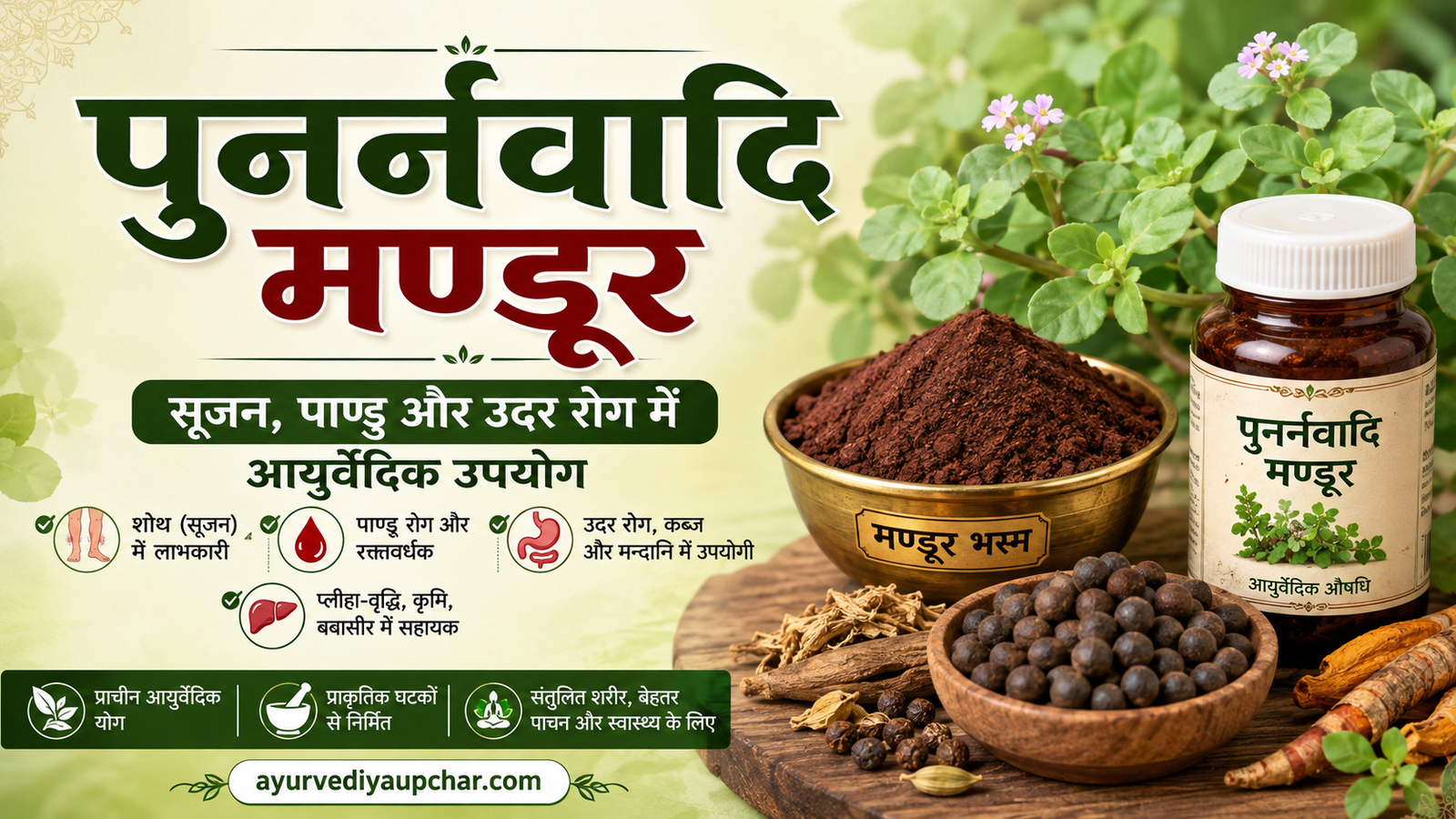
पुनर्नवादि मण्डूर: सूजन, पाण्डु और उदर विकारों में प्रसिद्ध आयुर्वेदिक योग
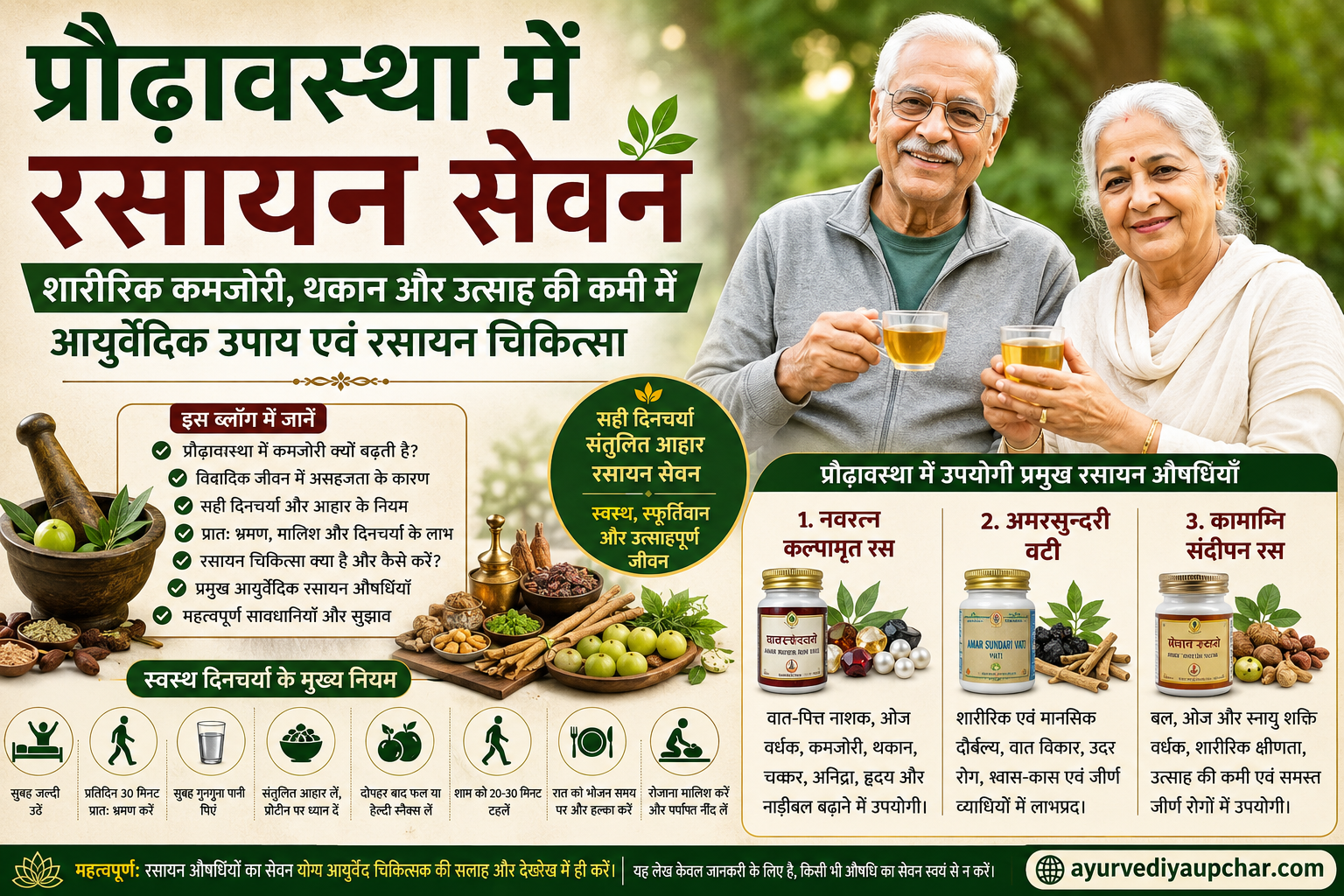
एक आम बीमारी: पेप्टिक अल्सर — कारण, लक्षण, प्रकार, पहचान और उपचार
आयुर्वेदिक उपायों और संतुलित आहार द्वारा कोलेस्ट्रॉल पर नियंत्रण संभव है
AYURVEDIYAUPCHAR
At AyurvediyaUpchar, we are dedicated to bringing you the ancient wisdom of Ayurveda to support your journey toward holistic well-being. Our carefully crafted treatments, products, and resources are designed to balance mind, body, and spirit for a healthier, more harmonious life. Explore our range of services and products inspired by centuries-old traditions for natural healing and wellness.
आयुर्वेदीय उपचार में, हम आपको आयुर्वेद के प्राचीन ज्ञान को समग्र कल्याण की ओर आपकी यात्रा में सहायता करने के लिए समर्पित हैं। हमारे सावधानीपूर्वक तैयार किए गए उपचार, उत्पाद और संसाधन स्वस्थ, अधिक सामंजस्यपूर्ण जीवन के लिए मन, शरीर और आत्मा को संतुलित करने के लिए डिज़ाइन किए गए हैं। प्राकृतिक उपचार और कल्याण के लिए सदियों पुरानी परंपराओं से प्रेरित हमारी सेवाओं और उत्पादों की श्रृंखला का अन्वेषण करें।

About AyurvediyaUpchar.com
Welcome to AyurvediyaUpchar.com, your trusted online destination for authentic Ayurvedic remedies, herbal products, and wellness solutions. We are dedicated to bringing the ancient wisdom of Ayurveda into modern lifestyles through high-quality, natural, and effective products.
Our Mission
At AyurvediyaUpchar.com, we strive to promote holistic health and well-being by providing pure, traditional, and scientifically-backed Ayurvedic treatments. Our goal is to make Ayurveda accessible to everyone, helping people lead a healthier and more balanced life naturally.
What We Offer
✅ Authentic Ayurvedic Medicines – Herbal formulations for various health concerns.
✅ Herbal Supplements – Boost immunity, digestion, and overall wellness.
✅ Personal Care Products – Skincare, haircare, and natural beauty solutions.
✅ Wellness & Lifestyle – Detox, stress relief, and rejuvenation products.
✅ Expert Guidance – Informative blogs, health tips, and personalized Ayurvedic consultation.
Why Choose Us?
✔ 100% Natural & Pure Products – Sourced from the finest herbs and ingredients.
✔ Trusted by Ayurveda Experts – Backed by traditional wisdom & modern research.
✔ Secure Online Shopping – Safe payments and easy checkout.
✔ Nationwide Delivery – Get Ayurveda at your doorstep.
✔ Customer Satisfaction – Dedicated support for your health journey.
Join us in embracing Ayurveda for a healthier, happier, and more natural life!
For any queries, feel free to contact us at Info@ayurvediyaupchar.com