






Daily Ayurvedic Habits Every Woman Should Follow

Modern women often juggle multiple responsibilities—work, family, education, fitness, and personal goals. While technology has made life easier in many ways, it has also increased stress, reduced physical activity, disrupted sleep patterns, and encouraged unhealthy eating habits.
Many women today experience fatigue, digestive discomfort, poor sleep, difficulty managing stress, dry skin, or low energy due to busy lifestyles. Although these challenges may have different causes, adopting healthy daily habits can play an important role in supporting overall well-being.
Ayurveda, one of the world's oldest traditional wellness systems originating in India over 3,000 years ago, emphasizes the importance of a balanced lifestyle. Rather than focusing only on illness, Ayurveda encourages preventive care by promoting healthy routines, nutritious food, adequate rest, movement, and mindfulness.
The term "Dinacharya" in Ayurveda refers to a daily routine that helps maintain physical, mental, and emotional balance. Many of these practices are simple, practical, and can be adapted to modern life.
This article explores daily Ayurvedic-inspired habits that women can follow to support general wellness, energy, digestion, sleep, and self-care. These recommendations are educational in nature and should not replace professional medical advice.
Understanding Ayurveda Before Starting
Before following any Ayurvedic lifestyle practice, it is helpful to understand its basic philosophy.
Ayurveda believes that good health depends on maintaining balance within the body and living in harmony with nature. Daily habits, food choices, sleep, exercise, stress management, and seasonal changes all influence overall well-being.
According to Ayurveda, every individual has a unique constitution, often described using three doshas:
- Vata – Associated with movement, creativity, and the nervous system.
- Pitta – Associated with metabolism, digestion, and body heat.
- Kapha – Associated with structure, stability, and lubrication.
These traditional concepts guide personalized lifestyle recommendations in Ayurveda. However, they should not be interpreted as medical diagnoses.
Why Daily Habits Matter More Than Occasional Treatments
Many people search for quick solutions to improve health. However, Ayurveda places greater emphasis on consistency rather than temporary changes.
Healthy routines practiced every day may contribute to:
- Better digestion
- More stable energy levels
- Improved sleep quality
- Reduced daily stress
- Healthier skin
- Better concentration
- Greater emotional balance
- Long-term wellness
Small daily improvements often create meaningful long-term benefits.
Habit 1: Begin Your Morning with Warm Water
One of the simplest Ayurvedic morning practices is drinking a glass of warm water soon after waking up.
Although scientific evidence regarding specific Ayurvedic claims is limited, staying hydrated after waking is generally considered beneficial for overall health.
Why Warm Water?
During sleep, the body goes several hours without fluid intake. Drinking water in the morning helps restore hydration.
Many people also find warm water more comfortable than cold water early in the day.
Possible Benefits
- Supports normal hydration
- Encourages healthy digestion
- May help establish a consistent morning routine
- Can feel soothing during colder weather
Optional Additions
Depending on personal preference and tolerance:
- Lemon
- Fresh ginger
- Tulsi leaves
- Plain warm water
Avoid adding excessive sugar.
Habit 2: Wake Up Early and Avoid Rushing
Ayurveda recommends waking up early, ideally before sunrise when practical. While modern schedules may not always allow this, maintaining a consistent wake-up time can help regulate the body's natural rhythm.
Many successful wellness routines begin with a peaceful morning rather than a rushed one.
Instead of immediately checking emails or social media, spend the first few minutes focusing on yourself.
Healthy Morning Activities
- Drink water
- Stretch gently
- Practice deep breathing
- Read for 10 minutes
- Spend a few minutes outdoors
- Plan your day
Benefits
A calm morning may help improve:
- Mental clarity
- Productivity
- Emotional well-being
- Time management
Habit 3: Practice Gentle Morning Movement
The human body is designed for movement.
After sleeping for several hours, gentle stretching or light exercise helps many people feel more energized.
Ayurveda traditionally recommends practices such as yoga and walking to support flexibility and circulation.
Good Options
- Yoga
- Walking
- Stretching
- Mobility exercises
- Light bodyweight exercises
Aim for around 20–30 minutes of physical activity most days of the week.
Regular movement supports overall health regardless of whether you choose yoga or another form of exercise.
Habit 4: Eat a Nourishing Breakfast
Skipping breakfast has become common due to busy schedules.
However, many nutrition experts recommend starting the day with a balanced meal that provides protein, fiber, and healthy fats.
Ayurvedic traditions also encourage eating freshly prepared foods whenever possible.
Healthy Breakfast Ideas
- Oatmeal with nuts
- Fresh fruit
- Whole-grain toast
- Greek yogurt (if suitable)
- Vegetable upma
- Poha with vegetables
- Moong dal chilla
- Smoothies with fruits and seeds
Try to Limit
- Sugary cereals
- Highly processed pastries
- Excess refined sugar
- Sugar-loaded coffee drinks
Habit 5: Eat Fresh, Seasonal Foods
One of Ayurveda's core principles is choosing foods that are fresh and as minimally processed as possible.
Seasonal foods often provide variety and encourage a balanced diet.
Include More
✔ Leafy vegetables
✔ Seasonal fruits
✔ Whole grains
✔ Lentils
✔ Beans
✔ Healthy fats
✔ Nuts
✔ Seeds
Reduce
✘ Ultra-processed foods
✘ Sugary beverages
✘ Excess fried foods
✘ Excess packaged snacks
Preparing meals at home more often can help improve dietary quality and portion control.
Why Fresh Food Matters
Fresh foods generally contain a variety of nutrients that support normal body functions.
A balanced diet rich in fruits, vegetables, whole grains, legumes, and healthy fats is associated with better long-term health outcomes.
Ayurveda similarly emphasizes freshly cooked meals over heavily processed foods.
What's Next?
In Part 2, we'll cover:
- Mindful Eating
- Stress Management
- Better Sleep
- Daily Self-Care
- Herbal Support
- Hydration
- Women's Hormonal Wellness Tips
- Digital Detox
- Evening Ayurvedic Routine
-
Common Mistakes Women Should Avoid
Habit 6: Practice Mindful Eating Instead of Distracted Eating
In today's fast-paced world, many women eat while working, scrolling through social media, watching television, or driving. Over time, distracted eating can make it harder to notice hunger and fullness cues, leading to overeating or poor food choices.
Ayurveda encourages mindful eating, which means paying full attention to your meal. Eating slowly and without distractions allows you to enjoy food, chew properly, and recognize when you are comfortably full.
How to Practice Mindful Eating
- Sit down while eating.
- Avoid using your phone or laptop during meals.
- Chew each bite thoroughly.
- Eat at a relaxed pace.
- Notice the taste, texture, and aroma of your food.
- Stop eating when you feel comfortably satisfied instead of overly full.
Potential Benefits
Practicing mindful eating may help:
- Improve awareness of hunger signals.
- Support healthy digestion.
- Reduce overeating.
- Increase meal satisfaction.
- Encourage healthier food choices.
Even taking an extra 15–20 minutes for meals can make a noticeable difference over time.
Habit 7: Stay Hydrated Throughout the Day
Water is essential for nearly every function in the body, including temperature regulation, digestion, circulation, and skin health.
Many women become mildly dehydrated simply because they are busy and forget to drink water.
Daily Hydration Tips
- Carry a reusable water bottle.
- Drink water regularly rather than waiting until you feel very thirsty.
- Increase fluid intake during hot weather or exercise.
- Include water-rich foods such as cucumber, watermelon, oranges, and lettuce.
Signs You May Need More Fluids
- Dry mouth
- Dark-colored urine
- Headache
- Feeling tired
- Reduced concentration
Hydration needs vary depending on climate, activity level, age, and overall health.
Habit 8: Prioritize Stress Management Every Day
Stress has become one of the most common challenges affecting women's health.
Work responsibilities, family commitments, financial concerns, and social pressures can all contribute to chronic stress.
Ayurveda views mental well-being as an important part of overall health.
Healthy Ways to Manage Stress
- Meditation
- Deep breathing exercises
- Journaling
- Spending time in nature
- Reading
- Listening to calming music
- Talking with trusted friends or family
Even 10–15 minutes of relaxation each day can support emotional well-being.
Breathing Exercise
Try this simple breathing technique:
- Sit comfortably.
- Inhale slowly through your nose for four seconds.
- Hold your breath for two seconds.
- Exhale gently through your mouth for six seconds.
- Repeat for five minutes.
Many people find breathing exercises helpful for relaxing after a busy day.
Habit 9: Make Sleep a Daily Priority
Good-quality sleep is essential for both physical and mental health.
Poor sleep may affect:
- Mood
- Energy levels
- Concentration
- Productivity
- Appetite
- Overall well-being
Adults generally need 7–9 hours of sleep each night.
Evening Habits That May Improve Sleep
- Maintain a regular bedtime.
- Keep your bedroom cool and comfortable.
- Avoid heavy meals immediately before bed.
- Reduce screen time for at least one hour before sleeping.
- Read a book instead of scrolling through social media.
- Practice gentle stretching before bed.
A consistent bedtime routine helps signal to your body that it's time to rest.
Habit 10: Spend Time Outdoors Every Day
Modern lifestyles often involve spending long hours indoors.
Getting outside for even 20–30 minutes each day offers several wellness benefits.
Outdoor Activities
- Walking
- Gardening
- Light exercise
- Sitting in a park
- Morning sunlight exposure
Natural light helps regulate the body's internal clock and supports healthy sleep patterns.
Habit 11: Practice Daily Self-Care Without Feeling Guilty
Many women spend so much time caring for others that they neglect their own well-being.
Self-care is not selfish—it is an important part of maintaining long-term health.
Self-Care Ideas
- Reading a book
- Taking a relaxing bath
- Listening to music
- Practicing yoga
- Painting
- Gardening
- Spending quiet time alone
Even 20 minutes each day dedicated to yourself can improve emotional well-being.
Habit 12: Support Skin Health Naturally
Healthy skin begins with healthy lifestyle habits.
Instead of focusing only on skincare products, consider your overall routine.
Daily Skin-Friendly Habits
- Drink enough water.
- Eat colorful fruits and vegetables.
- Sleep well.
- Avoid smoking.
- Wear sunscreen outdoors.
- Manage stress.
- Exercise regularly.
Ayurveda also encourages gentle oil massage (Abhyanga) as a traditional self-care practice. While many people enjoy it, scientific evidence for specific health claims is still limited.
Habit 13: Care for Your Hair Naturally
Hair health can be influenced by nutrition, stress, sleep, genetics, and overall health.
Healthy Hair Habits
- Eat enough protein.
- Include iron-rich foods.
- Stay hydrated.
- Avoid excessive heat styling.
- Wash hair according to your hair type.
- Protect hair from excessive sun exposure.
Traditional Ayurvedic ingredients such as Amla, Bhringraj, and Neem are commonly used in hair-care products, though results may vary from person to person.
Habit 14: Include Traditional Ayurvedic Herbs Responsibly
Ayurveda has long used herbs as part of traditional wellness practices.
Common examples include:
Amla
Often used as a source of vitamin C and antioxidants.
Tulsi
Traditionally consumed as an herbal tea.
Ashwagandha
Commonly used in Ayurvedic practice to support general wellness.
Shatavari
Traditionally associated with women's wellness in Ayurveda.
Triphala
A traditional blend of three fruits commonly used in Ayurvedic practice.
Important: Herbal supplements are not suitable for everyone. If you are pregnant, breastfeeding, have a medical condition, or take prescription medications, consult a qualified healthcare professional before using herbal products.
Habit 15: Reduce Digital Overload
Many women spend 8–12 hours each day looking at screens.
Excessive screen time may contribute to:
- Eye strain
- Poor posture
- Reduced physical activity
- Difficulty sleeping
Simple Digital Wellness Tips
- Follow the 20-20-20 rule: Every 20 minutes, look at something 20 feet away for 20 seconds.
- Take regular breaks.
- Avoid screens before bedtime.
- Set daily screen-time limits.
Habit 16: Build Healthy Relationships
Emotional health is closely connected to social well-being.
Positive relationships can provide:
- Emotional support
- Encouragement
- Reduced stress
- Greater happiness
Spend quality time with people who encourage and respect you.
Habit 17: Listen to Your Body
One of Ayurveda's most valuable lessons is paying attention to your body's signals.
Notice changes such as:
- Persistent fatigue
- Ongoing digestive discomfort
- Changes in appetite
- Poor sleep
- Mood changes
If symptoms persist or worsen, seek advice from a qualified healthcare professional rather than relying on self-treatment.
Common Mistakes Women Should Avoid
Many women unintentionally develop habits that may affect overall wellness.
Avoid these common mistakes:
- Frequently skipping meals
- Following extremely restrictive diets
- Staying up late regularly
- Ignoring stress
- Drinking too little water
- Sitting for long hours without movement
- Relying heavily on processed foods
- Using herbal supplements without professional guidance
- Neglecting regular health check-ups
- Ignoring persistent symptoms
Creating a Sustainable Routine
The best wellness routine is one you can maintain consistently.
Rather than trying to change everything overnight, start with one or two habits, such as:
- Drinking warm water each morning
- Taking a daily walk
- Eating one balanced homemade meal
- Sleeping 30 minutes earlier
- Practicing five minutes of deep breathing
Small, consistent actions often have a greater long-term impact than short periods of intense effort.
Complete Ayurvedic Daily Routine for Women (Morning to Night)
Ayurveda emphasizes consistency over perfection. A simple, realistic routine that fits your lifestyle is more beneficial than an overly strict plan that is difficult to maintain.
Time Ayurvedic-Inspired Habit Why It Matters 6:00–7:00 AM Wake up and drink warm water Supports hydration and establishes a healthy morning routine. 7:00 AM Gentle stretching, yoga, or a short walk Promotes flexibility, circulation, and energy. 7:30 AM Take a shower and practice self-care Helps you feel refreshed and prepared for the day. 8:00 AM Eat a balanced breakfast Provides energy and essential nutrients. 10:30 AM Drink water and take a short movement break Helps prevent prolonged sitting. 1:00 PM Enjoy a balanced lunch without distractions Supports mindful eating. 3:30 PM Healthy snack such as fruit or nuts Helps maintain steady energy. 6:00 PM Light exercise or an evening walk Encourages daily physical activity. 7:30 PM Eat a light dinner Many people find lighter evening meals more comfortable. 9:00 PM Reduce screen time and relax Supports healthy sleep habits. 10:00 PM Go to bed Aim for 7–9 hours of quality sleep. 7-Day Ayurvedic Lifestyle Plan for Women
Monday – Hydration Focus
- Drink warm water after waking.
- Carry a reusable water bottle.
- Eat fresh fruits and vegetables.
Tuesday – Gut Health
- Eat fiber-rich foods.
- Avoid unnecessary processed snacks.
- Practice mindful eating.
Wednesday – Movement
- 30 minutes of walking or yoga.
- Stretch after sitting for long periods.
Thursday – Mental Wellness
- Practice meditation for 10–15 minutes.
- Journal three things you are grateful for.
Friday – Skin & Hair Care
- Drink enough water.
- Eat colorful fruits and vegetables.
- Follow a gentle skincare routine.
Saturday – Digital Detox
- Reduce social media use.
- Spend time outdoors or with loved ones.
- Read a book instead of scrolling.
Sunday – Self-Care
- Prepare healthy meals for the week.
- Reflect on your wellness goals.
- Relax and recharge.
Foods to Include in an Ayurvedic-Inspired Lifestyle
A balanced diet is one of the foundations of wellness.
Whole Grains
- Brown rice
- Oats
- Millet
- Whole wheat
Fresh Vegetables
- Spinach
- Broccoli
- Carrots
- Cucumber
- Pumpkin
Fruits
- Apples
- Berries
- Papaya
- Pomegranate
- Seasonal fruits
Protein Sources
- Lentils
- Chickpeas
- Beans
- Tofu
- Eggs (if included in your diet)
Healthy Fats
- Nuts
- Seeds
- Olive oil
- Ghee (in moderation, if suitable)
Traditional Ayurvedic Ingredients
- Turmeric
- Ginger
- Cumin
- Coriander
- Fennel
- Tulsi
Foods to Limit
Reducing certain foods may help support a balanced lifestyle.
- Sugary beverages
- Excess sweets
- Ultra-processed snacks
- Frequent fast food
- Excess fried foods
- High-sodium packaged foods
Moderation is key—there is no need to eliminate foods entirely unless advised by a healthcare professional.
Simple Wellness Habits That Make a Big Difference
You don't need expensive products to support your health.
Try to:
- Walk daily.
- Stay hydrated.
- Eat slowly.
- Sleep well.
- Spend time outdoors.
- Practice gratitude.
- Exercise regularly.
- Maintain social connections.
- Manage stress.
- Schedule regular health check-ups.
These habits, practiced consistently, can contribute to overall well-being.
Frequently Asked Questions (FAQs)
1. What are the best daily Ayurvedic habits for women?
Healthy habits such as drinking warm water, eating balanced meals, staying active, managing stress, sleeping well, and practicing mindfulness can support overall wellness.
2. Is Ayurveda safe for everyone?
Many Ayurvedic lifestyle practices, such as eating nutritious foods and maintaining a healthy routine, are generally suitable for most people. Herbal supplements, however, may not be appropriate for everyone. Consult a healthcare professional if you have medical conditions or take medications.
3. Can Ayurveda replace medical treatment?
No. Ayurveda can complement a healthy lifestyle but should not replace professional medical diagnosis or treatment.
4. Which Ayurvedic herbs are commonly used for women's wellness?
Traditional herbs include Amla, Tulsi, Ashwagandha, and Shatavari. Always seek professional advice before using supplements.
5. How much sleep do women need?
Most adults require 7–9 hours of sleep each night, though individual needs vary.
6. Is yoga necessary?
No. Any enjoyable form of regular physical activity—walking, cycling, swimming, or strength training—can support good health.
7. How long does it take to see results?
Healthy habits often provide benefits gradually. Consistency over weeks and months is more important than expecting immediate changes.
Key Takeaways
- Prioritize consistency over perfection.
- Stay hydrated throughout the day.
- Choose fresh, minimally processed foods.
- Practice mindful eating.
- Move your body daily.
- Manage stress through relaxation techniques.
- Aim for quality sleep.
- Spend time outdoors.
- Practice self-care without guilt.
- Consult healthcare professionals for persistent symptoms or before starting supplements.
Conclusion
Women's health is shaped by the choices made every day. While no single habit guarantees perfect health, adopting a consistent routine inspired by Ayurvedic principles—such as nourishing your body with wholesome foods, staying active, managing stress, sleeping well, and making time for self-care—can support long-term wellness.
Remember that Ayurveda is best viewed as a lifestyle approach rather than a quick solution. Small, sustainable changes often lead to meaningful improvements over time.
If you have ongoing health concerns, are pregnant, breastfeeding, or take prescription medications, consult a qualified healthcare professional before making significant lifestyle changes or using herbal supplements.
Medical Disclaimer
This article is for educational and informational purposes only. It is not intended to diagnose, treat, cure, or prevent any disease. Always consult a qualified healthcare professional before starting any new diet, exercise program, or herbal supplement, especially if you have a medical condition or take prescription medications.
Recent Posts

महावातविध्वंसक रस: वात विकारों और तीव्र शूल में पारंपरिक आयुर्वेदिक उपयोग
चन्द्रप्रभा वटी: आयुर्वेद में उपयोग, घटक, पारंपरिक गुण और सेवन विधि
आरोग्यवर्द्धिनी बटी (रस): परिचय, घटक, निर्माण विधि, मात्रा, अनुपान और पारंपरिक उपयोग
वृद्धिबाधिका बटी: अण्डवृद्धि, अण्डकोष में सूजन और हर्निया के संबंध में आयुर्वेदिक दृष्टिकोण
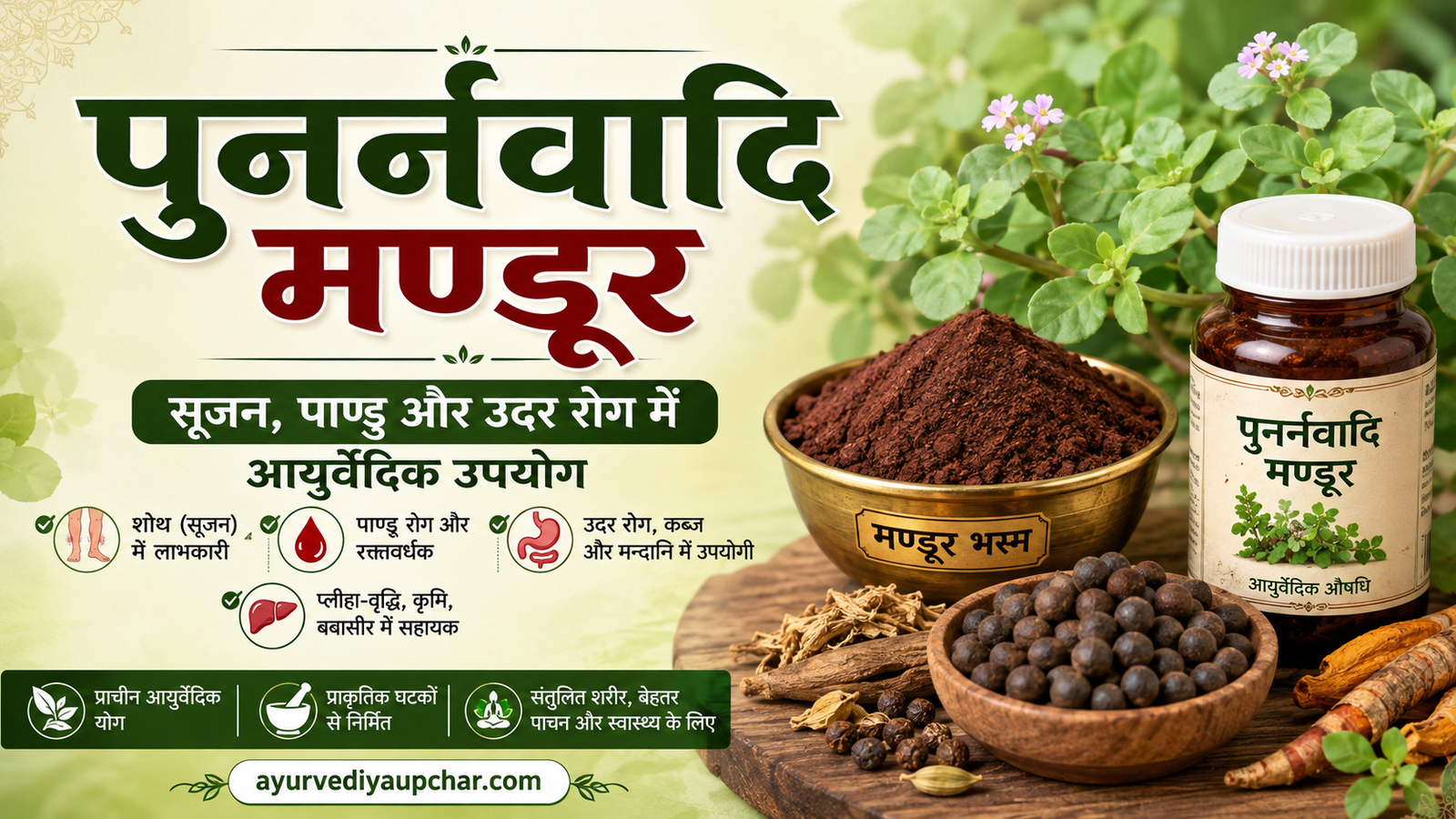
पुनर्नवादि मण्डूर: सूजन, पाण्डु और उदर विकारों में प्रसिद्ध आयुर्वेदिक योग

एक आम बीमारी: पेप्टिक अल्सर — कारण, लक्षण, प्रकार, पहचान और उपचार

आयुर्वेदिक उपायों और संतुलित आहार द्वारा कोलेस्ट्रॉल पर नियंत्रण संभव है
AYURVEDIYAUPCHAR
At AyurvediyaUpchar, we are dedicated to bringing you the ancient wisdom of Ayurveda to support your journey toward holistic well-being. Our carefully crafted treatments, products, and resources are designed to balance mind, body, and spirit for a healthier, more harmonious life. Explore our range of services and products inspired by centuries-old traditions for natural healing and wellness.
आयुर्वेदीय उपचार में, हम आपको आयुर्वेद के प्राचीन ज्ञान को समग्र कल्याण की ओर आपकी यात्रा में सहायता करने के लिए समर्पित हैं। हमारे सावधानीपूर्वक तैयार किए गए उपचार, उत्पाद और संसाधन स्वस्थ, अधिक सामंजस्यपूर्ण जीवन के लिए मन, शरीर और आत्मा को संतुलित करने के लिए डिज़ाइन किए गए हैं। प्राकृतिक उपचार और कल्याण के लिए सदियों पुरानी परंपराओं से प्रेरित हमारी सेवाओं और उत्पादों की श्रृंखला का अन्वेषण करें।

About AyurvediyaUpchar.com
Welcome to AyurvediyaUpchar.com, your trusted online destination for authentic Ayurvedic remedies, herbal products, and wellness solutions. We are dedicated to bringing the ancient wisdom of Ayurveda into modern lifestyles through high-quality, natural, and effective products.
Our Mission
At AyurvediyaUpchar.com, we strive to promote holistic health and well-being by providing pure, traditional, and scientifically-backed Ayurvedic treatments. Our goal is to make Ayurveda accessible to everyone, helping people lead a healthier and more balanced life naturally.
What We Offer
✅ Authentic Ayurvedic Medicines – Herbal formulations for various health concerns.
✅ Herbal Supplements – Boost immunity, digestion, and overall wellness.
✅ Personal Care Products – Skincare, haircare, and natural beauty solutions.
✅ Wellness & Lifestyle – Detox, stress relief, and rejuvenation products.
✅ Expert Guidance – Informative blogs, health tips, and personalized Ayurvedic consultation.
Why Choose Us?
✔ 100% Natural & Pure Products – Sourced from the finest herbs and ingredients.
✔ Trusted by Ayurveda Experts – Backed by traditional wisdom & modern research.
✔ Secure Online Shopping – Safe payments and easy checkout.
✔ Nationwide Delivery – Get Ayurveda at your doorstep.
✔ Customer Satisfaction – Dedicated support for your health journey.
Join us in embracing Ayurveda for a healthier, happier, and more natural life!
For any queries, feel free to contact us at Info@ayurvediyaupchar.com