






Natural Ways to Support Weight Loss While Using GLP-1 Medications: A Complete Healthy Lifestyle Guide
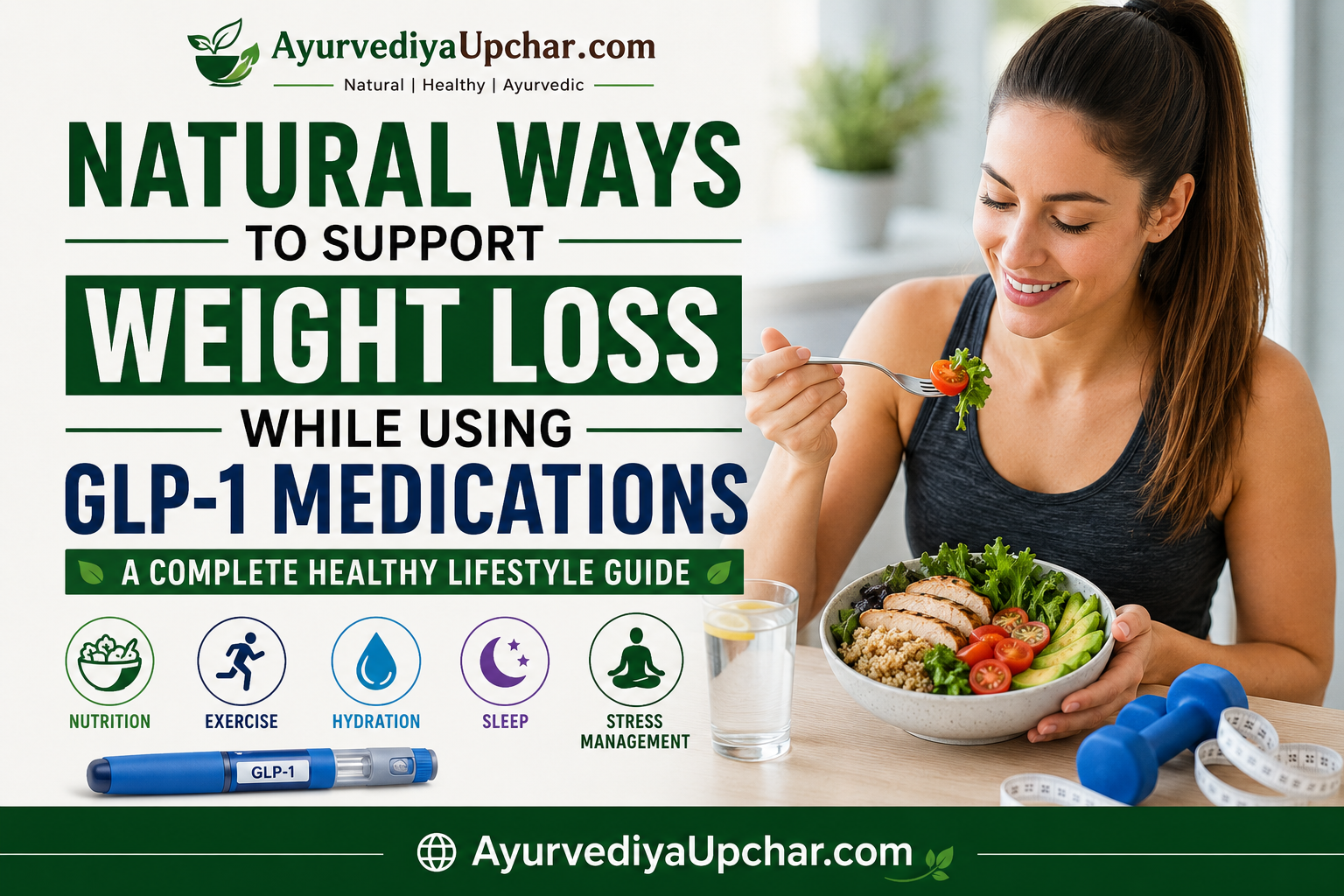
Natural Ways to Support Weight Loss While Using GLP-1 Medications
Millions of Americans are now using GLP-1 medications as part of their weight management journey. These prescription medications have changed the way many people approach obesity treatment by helping reduce appetite and improve feelings of fullness.
However, one important fact is often overlooked:
Medication alone is not a complete weight-loss strategy.
Healthy lifestyle habits continue to play a major role in achieving better results, preserving muscle mass, improving overall health, and maintaining weight loss over the long term.
If you're taking a GLP-1 medication—or thinking about starting one—this guide explains practical, natural ways to support your weight-loss goals safely.
Rather than focusing on restrictive diets or unrealistic fitness plans, we'll explore sustainable habits that can complement your treatment and help you build a healthier lifestyle.
What Are GLP-1 Medications?
GLP-1 medications are prescription medicines designed to mimic a hormone called glucagon-like peptide-1 (GLP-1), which naturally helps regulate appetite, digestion, and blood sugar.
Depending on the specific medication and the reason it was prescribed, your healthcare provider may recommend a GLP-1 medicine for:
Obesity management
Overweight with certain health conditions
Type 2 diabetes
Long-term weight management
These medications may help by:
Reducing hunger
Increasing feelings of fullness
Slowing stomach emptying
Helping reduce overall calorie intake
While these effects can make weight loss easier for many people, they don't replace healthy nutrition, regular movement, or medical follow-up.
Think of them as one part of a larger health plan—not a shortcut.
Why Healthy Habits Still Matter
Some people assume that once they begin taking a GLP-1 medication, they no longer need to pay close attention to nutrition or exercise.
In reality, healthy habits become even more important.
Here's why:
1. Preserve Lean Muscle
Rapid weight loss may include the loss of muscle along with body fat.
Eating enough protein and performing resistance exercises can help support muscle maintenance during weight loss.
2. Improve Energy Levels
Eating balanced meals provides vitamins, minerals, and nutrients your body needs for daily energy.
3. Support Long-Term Success
Lifestyle habits help reduce the risk of regaining weight if medication is adjusted or stopped under medical supervision.
4. Promote Overall Health
Healthy eating and physical activity may also support heart health, mobility, sleep quality, and overall well-being.
Prioritize Protein at Every Meal
One of the biggest nutritional priorities while losing weight is consuming adequate protein.
Because GLP-1 medications often reduce appetite, some people unintentionally eat too little—including too little protein.
Protein helps:
Support muscle maintenance
Increase satiety
Reduce cravings
Aid recovery after exercise
Support healthy metabolism
Great Protein Choices
Choose a variety of protein-rich foods, such as:
Animal-Based Sources
Skinless chicken breast
Turkey
Fish
Eggs
Greek yogurt
Cottage cheese
Lean beef (in moderation)
Plant-Based Sources
Lentils
Chickpeas
Black beans
Tofu
Tempeh
Edamame
Quinoa
Instead of eating one large protein-heavy dinner, try spreading protein throughout the day.
Many registered dietitians recommend including a quality protein source at every meal.
Eat More Fiber for Better Fullness
Fiber works especially well alongside GLP-1 medications because both help promote fullness.
High-fiber foods may also support:
Digestive health
Blood sugar management
Heart health
Healthy cholesterol levels
Aim to include fiber gradually while drinking enough water.
Excellent choices include:
Fruits
Apples
Berries
Pears
Oranges
Vegetables
Broccoli
Brussels sprouts
Carrots
Spinach
Kale
Cauliflower
Whole Grains
Oats
Brown rice
Whole wheat bread
Barley
Quinoa
Legumes
Beans
Lentils
Split peas
Increasing fiber too quickly may cause digestive discomfort for some people, so gradual changes are usually easier to tolerate.
Stay Hydrated Throughout the Day
Many people using GLP-1 medications find themselves eating—and sometimes drinking—less than before.
That makes hydration even more important.
Proper hydration supports:
Digestion
Energy
Exercise performance
Temperature regulation
Overall health
Simple hydration tips include:
Carry a reusable water bottle.
Sip water regularly instead of waiting until you're thirsty.
Add lemon, cucumber, or mint if plain water feels boring.
Include water-rich foods like watermelon, cucumber, oranges, and lettuce.
If your healthcare provider has recommended fluid restrictions because of another medical condition, always follow their advice.
Practice Mindful Eating
One of the advantages of GLP-1 medications is that they often reduce constant hunger.
This creates a great opportunity to build healthier eating habits.
Try these mindful eating techniques:
Eat slowly.
Put your fork down between bites.
Avoid eating while watching television.
Stop eating when comfortably satisfied instead of overly full.
Pay attention to hunger and fullness signals.
Mindful eating isn't about perfection.
It's about becoming more aware of your body's natural cues and making intentional food choices.
Move Your Body Every Day
Many people believe weight loss only depends on eating less. While nutrition plays a major role, regular physical activity is equally important—especially when taking GLP-1 medications.
Exercise doesn't just help burn calories. It also supports:
- Maintaining lean muscle mass
- Improving heart health
- Boosting mood and energy
- Supporting healthy blood sugar levels
- Reducing the risk of weight regain
The goal isn't to spend hours in the gym. Consistency matters far more than intensity.
Walking: One of the Best Exercises for Beginners
Walking is one of the safest and most effective forms of exercise for most adults.
Benefits include:
- Low impact on joints
- Easy to start at any fitness level
- Supports calorie burning
- Improves cardiovascular health
- Helps reduce stress
- Can improve digestion after meals
Tips to Make Walking a Habit
- Start with 15–20 minutes a day if you're new to exercise.
- Gradually increase to 30–45 minutes on most days of the week.
- Walk with a friend or listen to a podcast to stay motivated.
- If possible, take a short walk after meals to support healthy blood sugar levels.
Remember, every step counts. Even short walking sessions throughout the day can add up.
Don't Skip Strength Training
One common concern with rapid weight loss is the loss of lean muscle.
Strength training helps protect muscle while encouraging fat loss.
You don't need expensive equipment. Simple exercises using body weight, resistance bands, or dumbbells can be effective.
Examples include:
- Squats
- Wall push-ups
- Lunges
- Resistance band rows
- Dumbbell shoulder press
- Glute bridges
Aim for 2–3 strength-training sessions per week, allowing time for recovery between sessions.
If you're new to resistance exercise, consider working with a certified fitness professional to learn proper technique.
Include Flexibility and Balance Exercises
Stretching and balance work are often overlooked but play an important role in overall fitness.
Benefits include:
- Better mobility
- Improved posture
- Reduced stiffness
- Lower injury risk
- Easier daily movement
Good options include:
- Yoga
- Pilates
- Gentle stretching
- Tai Chi
Even 10–15 minutes a day can make a noticeable difference.
Build a Balanced Plate
Because GLP-1 medications often reduce appetite, every meal should provide as much nutrition as possible.
A simple way to plan meals is to divide your plate:
Half the Plate
Fill with colorful vegetables such as:
- Broccoli
- Spinach
- Bell peppers
- Cucumbers
- Green beans
- Salad greens
One Quarter
Choose lean protein:
- Chicken
- Fish
- Turkey
- Eggs
- Greek yogurt
- Tofu
- Beans
One Quarter
Include healthy carbohydrates like:
- Brown rice
- Sweet potatoes
- Quinoa
- Oats
- Whole-grain pasta
Add a small serving of healthy fats such as avocado, nuts, seeds, or olive oil.
This balanced approach supports satiety and provides essential nutrients without relying on highly processed foods.
Choose Nutrient-Dense Foods
When your appetite is reduced, every bite matters.
Focus on foods that provide vitamins, minerals, protein, and fiber instead of empty calories.
Great Choices
- Fresh vegetables
- Fruits
- Lean proteins
- Whole grains
- Nuts and seeds
- Beans and legumes
- Low-fat dairy or fortified alternatives
Foods to Limit
Try to reduce:
- Sugary drinks
- Candy
- Cakes and pastries
- Deep-fried foods
- Highly processed snacks
- Fast food
- Excess alcohol
Enjoying treats occasionally is part of a balanced lifestyle, but making nutrient-rich foods your everyday choice can better support long-term weight management.
Don't Skip Meals
Because GLP-1 medications suppress appetite, some people eat very little throughout the day.
Skipping meals regularly may lead to:
- Fatigue
- Poor nutrition
- Muscle loss
- Low energy
- Difficulty meeting protein needs
If full meals feel difficult, consider smaller, balanced meals or healthy snacks spread throughout the day.
Examples include:
- Greek yogurt with berries
- Cottage cheese and fruit
- Apple slices with peanut butter
- Hummus with vegetables
- Hard-boiled eggs
- A protein smoothie made with milk or fortified plant-based alternatives
Eat Slowly
Eating too quickly can lead to discomfort, especially while taking GLP-1 medications.
Helpful habits include:
- Take small bites.
- Chew food thoroughly.
- Pause between bites.
- Stop eating when comfortably satisfied.
Listening to your body's fullness signals may help prevent overeating and improve digestion.
Be Prepared for Busy Days
Planning ahead can help you make healthier choices when life gets hectic.
Ideas include:
- Meal prep on weekends.
- Keep healthy snacks at work.
- Carry a reusable water bottle.
- Prepare overnight oats for breakfast.
- Cook extra portions for lunch the next day.
Small planning habits often make healthy eating much easier.
Manage Common Digestive Changes Naturally
Some people experience mild digestive side effects when starting GLP-1 medications, especially during dose adjustments.
Simple lifestyle strategies that may help include:
- Eating smaller meals instead of large portions
- Staying hydrated
- Avoiding very greasy or fried foods
- Eating slowly
- Including fiber gradually
- Following your healthcare provider's instructions
If symptoms become severe, persistent, or interfere with daily life, contact your healthcare provider rather than trying to self-treat.
Consistency Beats Perfection
Healthy weight management isn't about following a perfect diet or never missing a workout.
Long-term success usually comes from small habits repeated consistently.
Examples include:
- Drinking more water each day
- Taking a daily walk
- Choosing protein at every meal
- Getting enough sleep
- Preparing meals in advance
- Staying physically active throughout the week
Even modest improvements, maintained over time, can support better health and complement your prescribed treatment plan.
Best Foods to Eat While Using GLP-1 Medications
Choosing nutrient-dense foods can help you feel your best while supporting healthy weight management. Because GLP-1 medications often reduce appetite, it's important to make every meal count.
Lean Proteins
Protein is one of the most important nutrients during weight loss because it helps preserve muscle mass and keeps you feeling satisfied.
Good options include:
- Chicken breast
- Turkey
- Salmon
- Tuna
- Eggs
- Greek yogurt
- Cottage cheese
- Tofu
- Tempeh
- Lentils
- Black beans
Fiber-Rich Vegetables
Vegetables provide vitamins, minerals, antioxidants, and fiber while being naturally low in calories.
Excellent choices include:
- Broccoli
- Spinach
- Kale
- Cauliflower
- Bell peppers
- Green beans
- Zucchini
- Brussels sprouts
Try filling at least half of your plate with vegetables at lunch and dinner.
Healthy Fruits
Fruit can satisfy sweet cravings while providing fiber and important nutrients.
Choose fruits such as:
- Blueberries
- Strawberries
- Apples
- Pears
- Oranges
- Kiwi
- Grapefruit (only if approved by your healthcare provider, as it may interact with certain medications)
Whole fruit is generally a better option than fruit juice because it contains more fiber.
Healthy Fats
Healthy fats support heart health and help you feel satisfied.
Examples include:
- Avocados
- Olive oil
- Almonds
- Walnuts
- Pistachios
- Chia seeds
- Flaxseeds
Since fats are calorie-dense, enjoy them in moderate portions.
Foods That May Increase Digestive Discomfort
Some foods may worsen nausea, bloating, or stomach discomfort in people taking GLP-1 medications.
These can include:
- Fried foods
- Greasy meals
- Very spicy foods
- Large portions
- Sugary desserts
- Highly processed snacks
- Sugar-sweetened beverages
Everyone responds differently, so paying attention to your own symptoms can help you identify foods that work best for you.
Prioritize Sleep
Sleep is often overlooked during weight loss.
Poor sleep may influence hunger hormones, energy levels, and food choices.
Adults should generally aim for 7–9 hours of quality sleep each night.
Tips for Better Sleep
- Go to bed at the same time each night.
- Limit screen time before bed.
- Keep your bedroom cool and dark.
- Avoid large meals right before sleeping.
- Reduce caffeine later in the day.
Good sleep supports overall health and complements healthy lifestyle habits.
Manage Stress in Healthy Ways
Stress can affect eating habits, motivation, and overall well-being.
Healthy stress-management techniques include:
- Walking outdoors
- Deep breathing exercises
- Meditation
- Yoga
- Reading
- Journaling
- Spending time with family and friends
Managing stress isn't just good for mental health—it can also support healthier lifestyle choices.
Monitor Your Progress Beyond the Scale
The number on the scale doesn't tell the whole story.
Other signs of progress include:
- Better energy
- Improved fitness
- Increased strength
- Better sleep
- Improved blood sugar control (when applicable)
- Clothes fitting differently
- Healthier eating habits
Celebrate these non-scale victories as part of your journey.
Common Mistakes to Avoid
Many people unintentionally slow their progress by making avoidable mistakes.
1. Eating Too Little
Very low food intake may increase the risk of nutrient deficiencies and muscle loss.
2. Skipping Protein
Without enough protein, maintaining lean muscle becomes more difficult.
3. Avoiding Exercise
Movement remains an important part of a healthy lifestyle, even with medication.
4. Not Drinking Enough Water
Hydration supports digestion, energy, and overall health.
5. Expecting Overnight Results
Healthy weight management takes time. Focus on building sustainable habits rather than chasing rapid changes.
Long-Term Success After Weight Loss
Weight management is a lifelong process.
The habits you develop while taking GLP-1 medication can continue to benefit your health in the future.
Focus on:
- Eating balanced meals
- Staying active
- Prioritizing sleep
- Managing stress
- Following up with your healthcare provider
- Building habits you can realistically maintain
Sustainable lifestyle changes are often more effective than short-term diets.
Frequently Asked Questions
Can I exercise while taking GLP-1 medications?
Yes. Most people can safely include regular physical activity as part of their routine, but it's best to follow your healthcare provider's recommendations based on your individual health needs.
Should I eat less because I'm not hungry?
Reduced appetite is common, but your body still needs adequate protein, vitamins, minerals, and calories to support overall health.
Is strength training important?
Yes. Resistance exercise can help maintain muscle mass during weight loss and improve overall strength.
Can I still enjoy treats?
Yes. A balanced eating pattern allows room for occasional treats while emphasizing nutrient-rich foods most of the time.
How much water should I drink?
Hydration needs vary depending on age, activity level, climate, and health conditions. Your healthcare provider can offer personalized guidance.
Final Thoughts
GLP-1 medications have helped many people take meaningful steps toward healthier weight management. However, long-term success depends on more than medication alone.
A balanced eating pattern, regular physical activity, quality sleep, proper hydration, stress management, and consistent healthy habits all work together to support your overall well-being.
Rather than aiming for perfection, focus on small improvements that you can maintain over time. Healthy lifestyle changes not only complement your treatment plan but also contribute to better heart health, stronger muscles, improved energy, and a higher quality of life.
Always work closely with your healthcare provider before making significant changes to your diet, exercise routine, or medication plan.
Medical Disclaimer
This article is for educational and informational purposes only and should not be considered medical advice. GLP-1 medications are prescription medicines and should only be used under the guidance of a qualified healthcare professional. Always consult your doctor before making changes to your medication, diet, or exercise routine.
Recent Posts
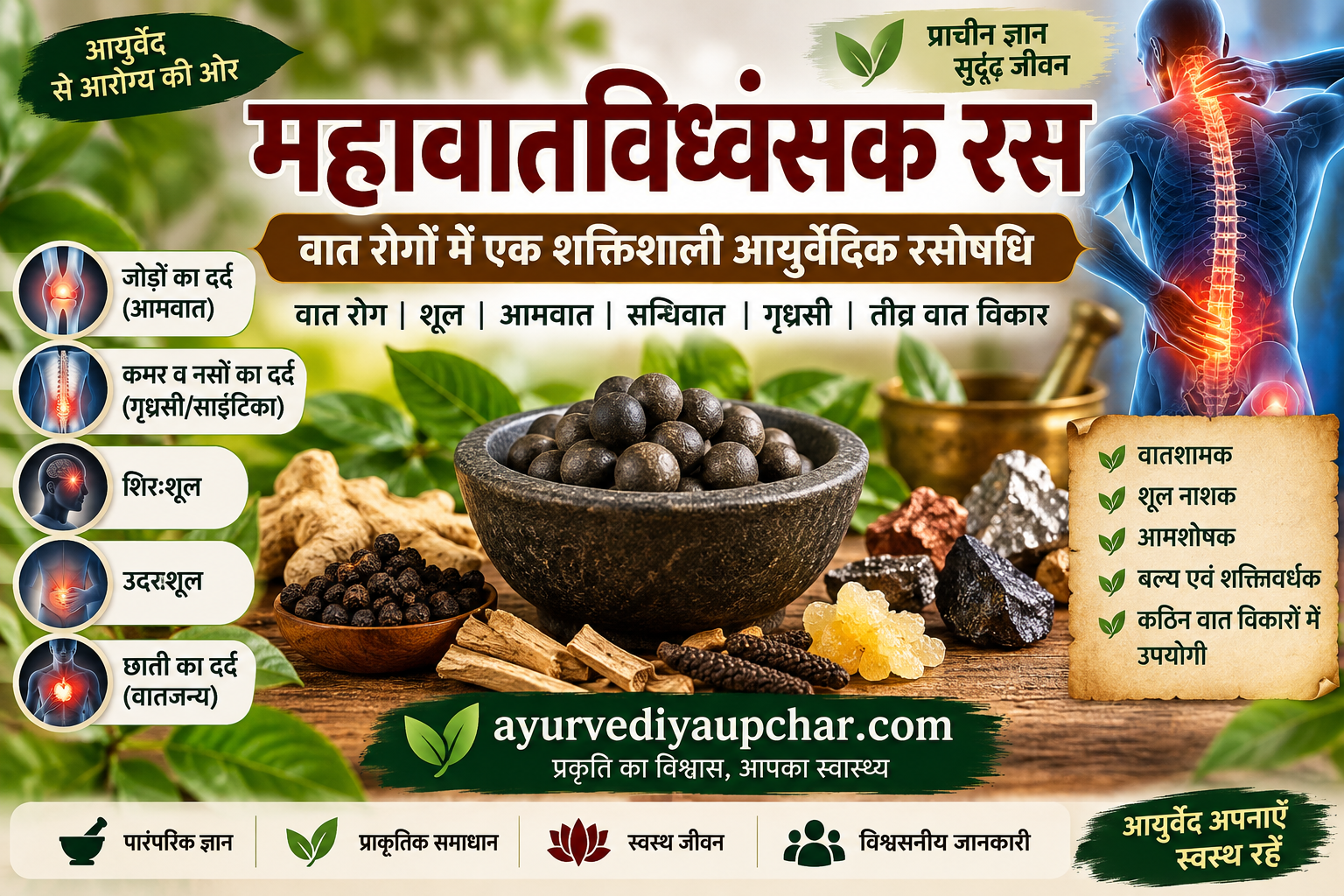
महावातविध्वंसक रस: वात विकारों और तीव्र शूल में पारंपरिक आयुर्वेदिक उपयोग
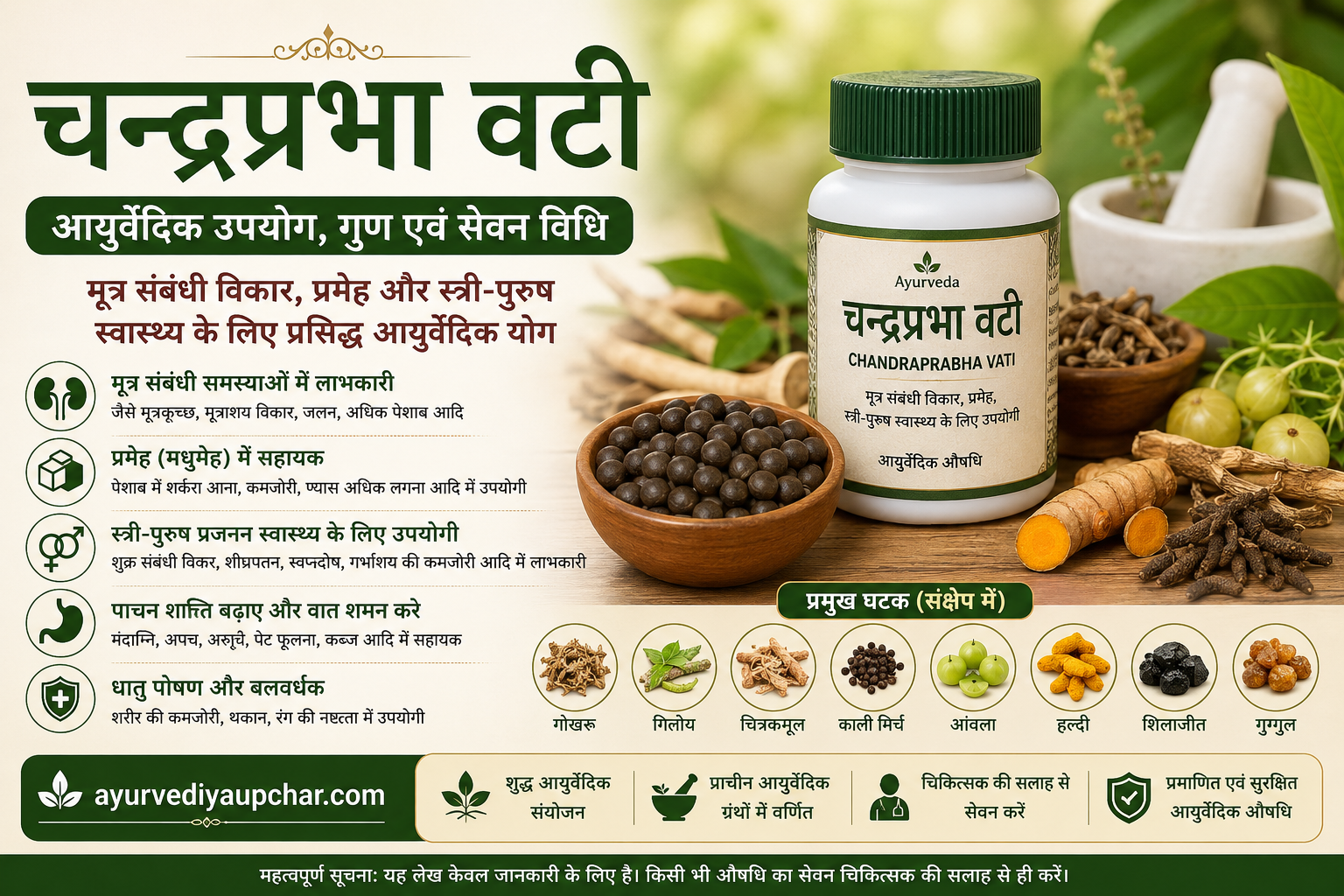
चन्द्रप्रभा वटी: आयुर्वेद में उपयोग, घटक, पारंपरिक गुण और सेवन विधि
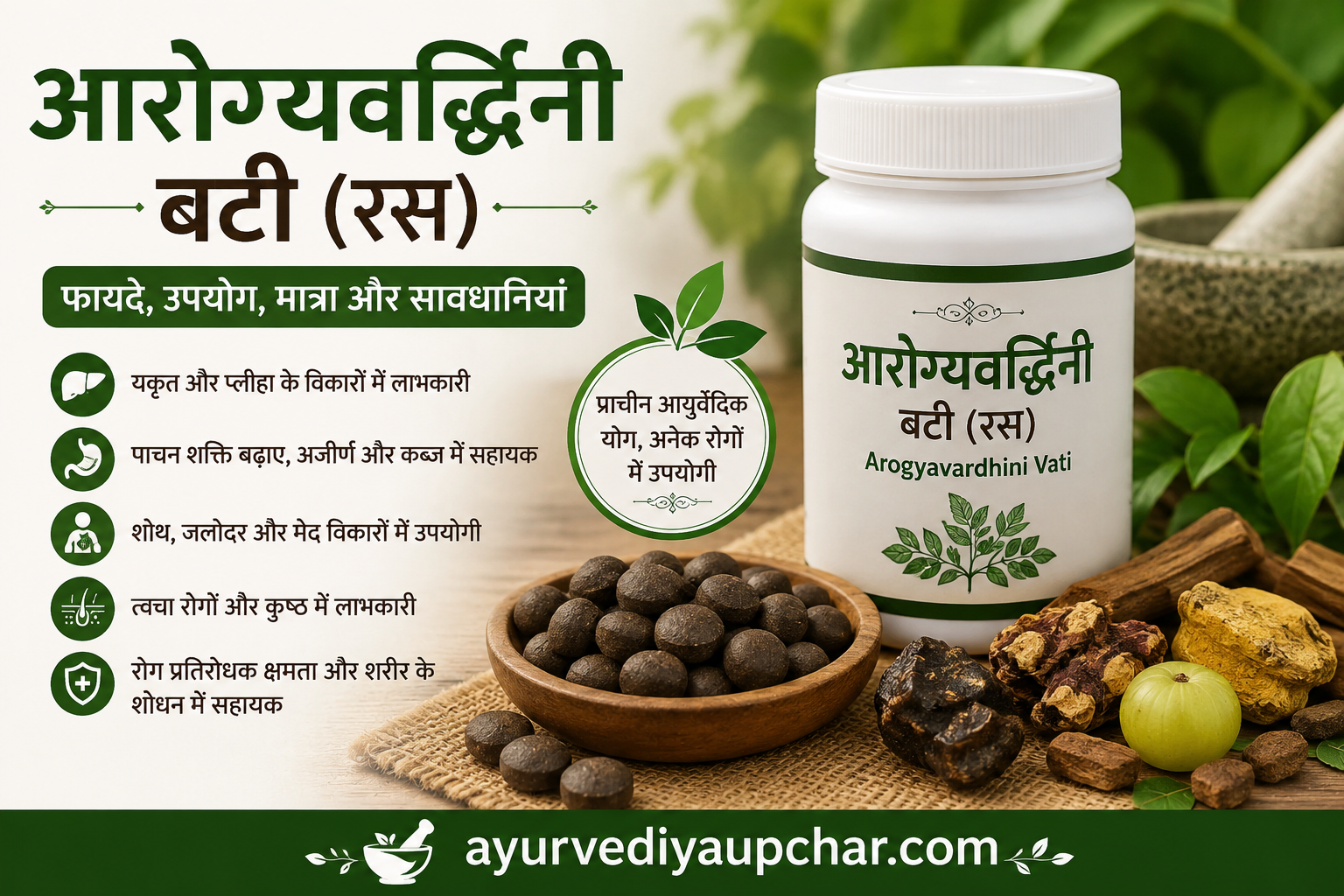
आरोग्यवर्द्धिनी बटी (रस): परिचय, घटक, निर्माण विधि, मात्रा, अनुपान और पारंपरिक उपयोग
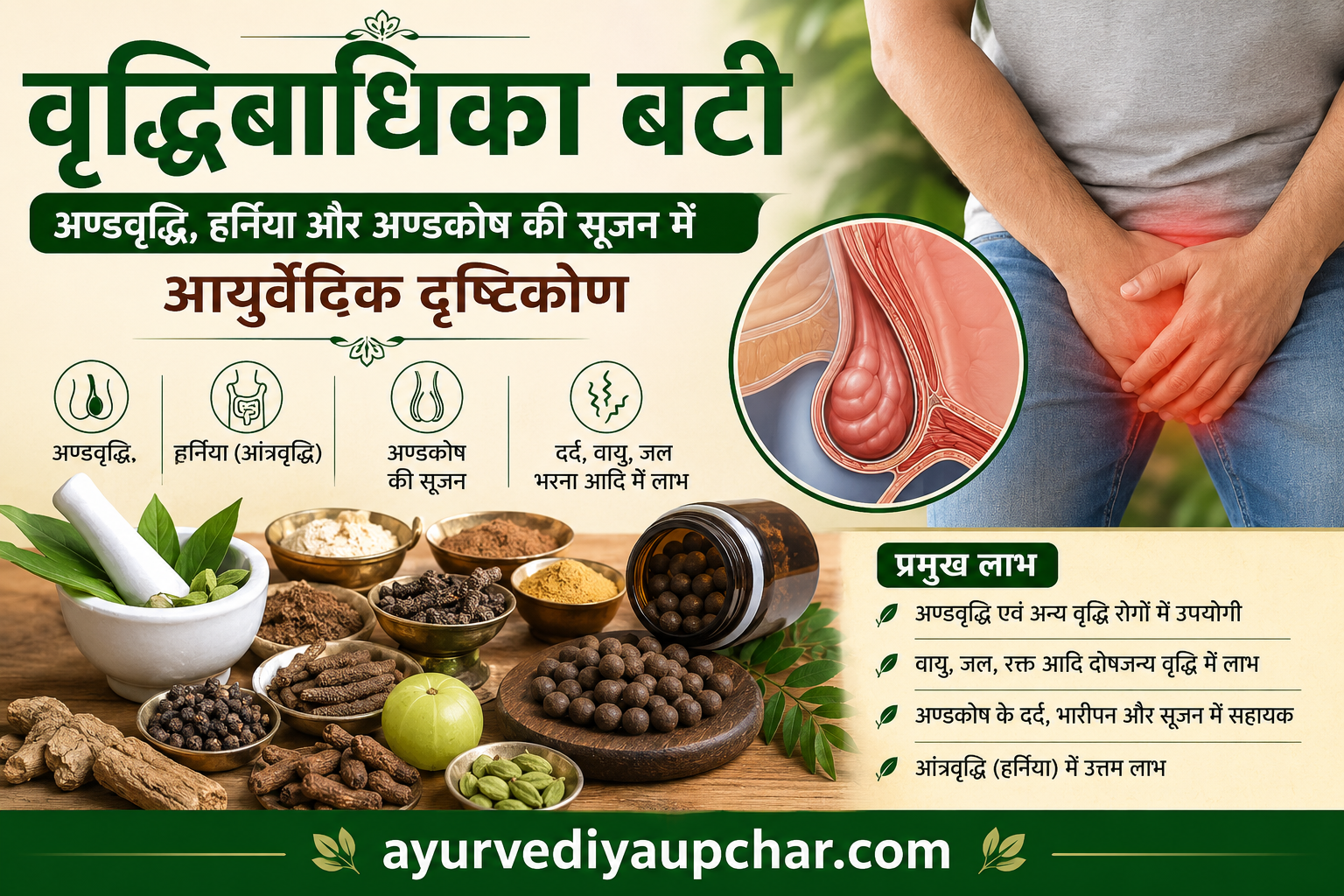
वृद्धिबाधिका बटी: अण्डवृद्धि, अण्डकोष में सूजन और हर्निया के संबंध में आयुर्वेदिक दृष्टिकोण
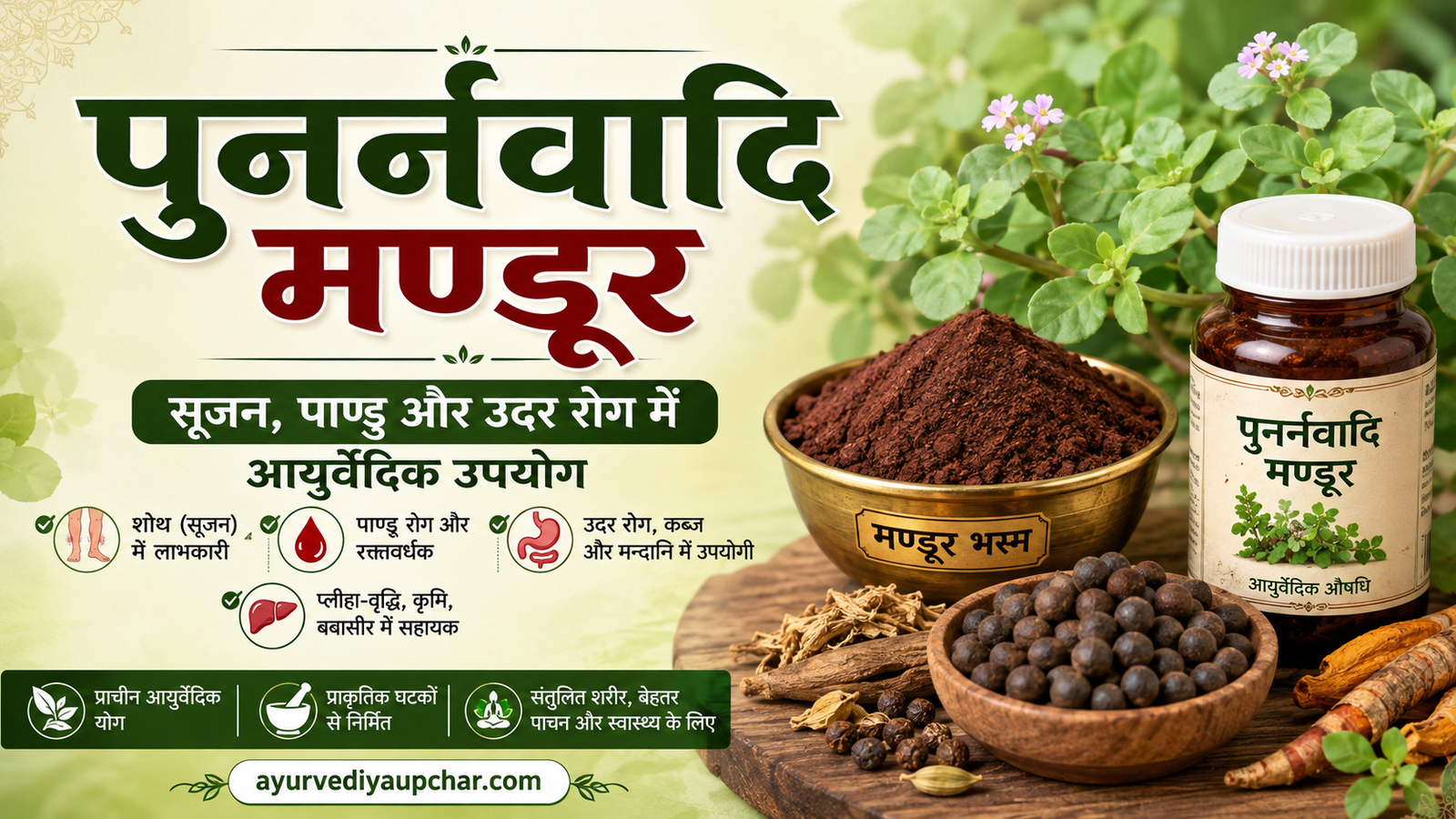
पुनर्नवादि मण्डूर: सूजन, पाण्डु और उदर विकारों में प्रसिद्ध आयुर्वेदिक योग
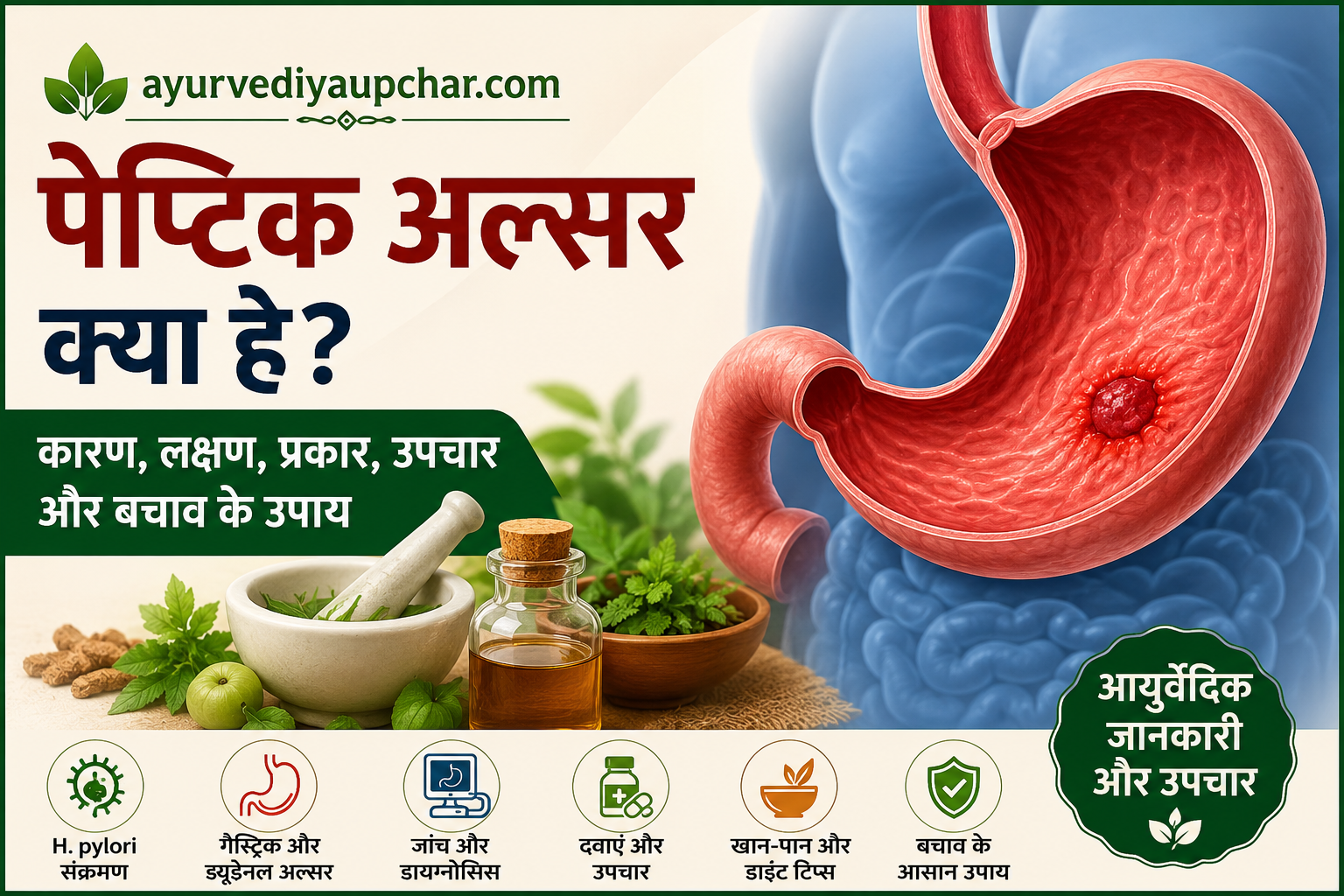
एक आम बीमारी: पेप्टिक अल्सर — कारण, लक्षण, प्रकार, पहचान और उपचार
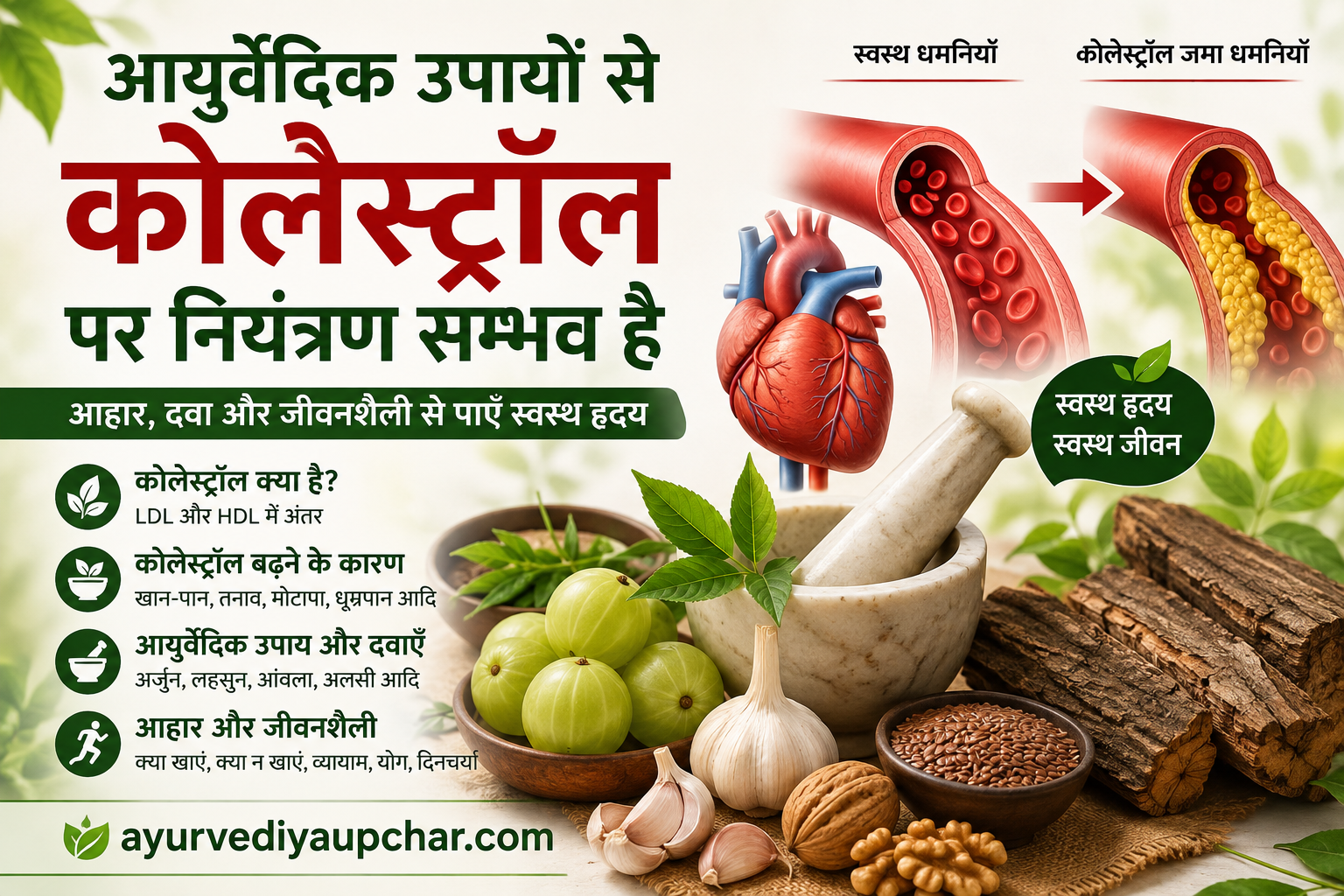
आयुर्वेदिक उपायों और संतुलित आहार द्वारा कोलेस्ट्रॉल पर नियंत्रण संभव है
AYURVEDIYAUPCHAR
At AyurvediyaUpchar, we are dedicated to bringing you the ancient wisdom of Ayurveda to support your journey toward holistic well-being. Our carefully crafted treatments, products, and resources are designed to balance mind, body, and spirit for a healthier, more harmonious life. Explore our range of services and products inspired by centuries-old traditions for natural healing and wellness.
आयुर्वेदीय उपचार में, हम आपको आयुर्वेद के प्राचीन ज्ञान को समग्र कल्याण की ओर आपकी यात्रा में सहायता करने के लिए समर्पित हैं। हमारे सावधानीपूर्वक तैयार किए गए उपचार, उत्पाद और संसाधन स्वस्थ, अधिक सामंजस्यपूर्ण जीवन के लिए मन, शरीर और आत्मा को संतुलित करने के लिए डिज़ाइन किए गए हैं। प्राकृतिक उपचार और कल्याण के लिए सदियों पुरानी परंपराओं से प्रेरित हमारी सेवाओं और उत्पादों की श्रृंखला का अन्वेषण करें।

About AyurvediyaUpchar.com
Welcome to AyurvediyaUpchar.com, your trusted online destination for authentic Ayurvedic remedies, herbal products, and wellness solutions. We are dedicated to bringing the ancient wisdom of Ayurveda into modern lifestyles through high-quality, natural, and effective products.
Our Mission
At AyurvediyaUpchar.com, we strive to promote holistic health and well-being by providing pure, traditional, and scientifically-backed Ayurvedic treatments. Our goal is to make Ayurveda accessible to everyone, helping people lead a healthier and more balanced life naturally.
What We Offer
✅ Authentic Ayurvedic Medicines – Herbal formulations for various health concerns.
✅ Herbal Supplements – Boost immunity, digestion, and overall wellness.
✅ Personal Care Products – Skincare, haircare, and natural beauty solutions.
✅ Wellness & Lifestyle – Detox, stress relief, and rejuvenation products.
✅ Expert Guidance – Informative blogs, health tips, and personalized Ayurvedic consultation.
Why Choose Us?
✔ 100% Natural & Pure Products – Sourced from the finest herbs and ingredients.
✔ Trusted by Ayurveda Experts – Backed by traditional wisdom & modern research.
✔ Secure Online Shopping – Safe payments and easy checkout.
✔ Nationwide Delivery – Get Ayurveda at your doorstep.
✔ Customer Satisfaction – Dedicated support for your health journey.
Join us in embracing Ayurveda for a healthier, happier, and more natural life!
For any queries, feel free to contact us at Info@ayurvediyaupchar.com