





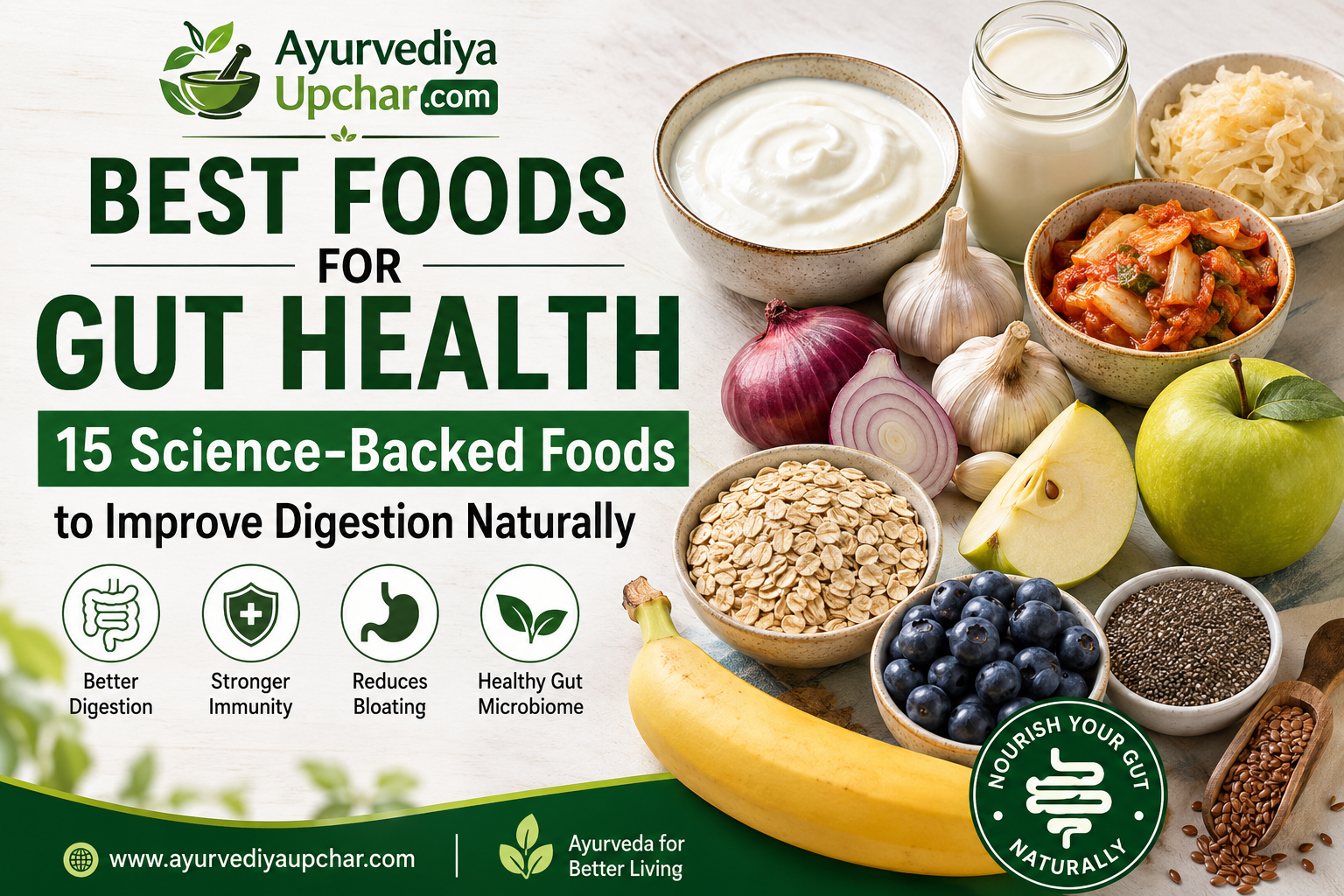
Best Foods for Gut Health: 15 Science-Backed Foods to Improve Digestion Naturally
Introduction
Your digestive system does far more than simply break down food. It is home to one of the most complex ecosystems in the human body—the gut microbiome. This community of trillions of microorganisms, including beneficial bacteria, fungi, and other microbes, plays a vital role in maintaining overall health.
Over the past decade, scientific research has shown that gut health influences much more than digestion. A balanced gut microbiome supports immune function, nutrient absorption, hormone regulation, metabolism, cardiovascular health, skin health, and even mental well-being through what researchers call the gut-brain axis.
When the balance of beneficial bacteria is disrupted, the digestive system may struggle to function efficiently. This imbalance, often referred to as gut dysbiosis, has been associated with bloating, constipation, diarrhea, weakened immunity, chronic inflammation, food intolerances, and several metabolic disorders.
Fortunately, improving gut health doesn't always require expensive supplements. One of the most effective and sustainable ways to support your digestive system is through your daily diet.
Eating foods rich in probiotics, prebiotics, dietary fiber, antioxidants, and polyphenols helps nourish beneficial bacteria while creating an environment where harmful microbes are less likely to thrive.
Whether your goal is to improve digestion, reduce bloating, strengthen your immune system, lose weight, or simply feel healthier every day, choosing the right foods can make a significant difference.
This comprehensive guide explores the best foods for gut health, explains why they work, and provides practical tips for incorporating them into your daily meals.
What Is Gut Health?
Gut health refers to the proper functioning of the digestive system and the balance of microorganisms living inside the gastrointestinal tract.
The human gut contains approximately 100 trillion microorganisms, collectively known as the gut microbiota or gut microbiome. These microorganisms help perform functions that the human body cannot accomplish on its own.
A healthy gut microbiome helps:
- Digest complex carbohydrates and fiber
- Produce vitamins such as Vitamin K and certain B vitamins
- Strengthen the immune system
- Protect against harmful bacteria
- Support healthy metabolism
- Reduce inflammation
- Improve nutrient absorption
- Maintain a healthy intestinal lining
- Influence mood through the gut-brain connection
Scientists estimate that nearly 70% of the immune system is closely associated with the digestive tract, highlighting the importance of maintaining a healthy gut.
Why Gut Health Matters
Many people think gut health is only about avoiding stomach pain or constipation. In reality, your digestive system affects nearly every organ in your body.
Better Digestion
Healthy gut bacteria help break down food efficiently, making it easier for your body to absorb essential nutrients.
Stronger Immune System
Beneficial bacteria help train immune cells and prevent harmful microorganisms from multiplying inside the digestive tract.
Healthy Weight Management
Research suggests that the diversity of gut bacteria may influence metabolism, appetite regulation, and body weight.
Improved Mental Health
The gut and brain constantly communicate through the gut-brain axis. A healthier gut microbiome has been linked to improved mood and better stress management.
Better Blood Sugar Control
A fiber-rich diet supports beneficial bacteria that produce short-chain fatty acids, compounds associated with improved insulin sensitivity.
Natural Ways to Support Weight Loss While Using GLP-1 Medications
Reduced Inflammation
Chronic inflammation has been linked to various health conditions. Supporting gut health may help maintain a balanced inflammatory response.
Healthier Skin
Many skin concerns, including acne and eczema, may be influenced by digestive health in some individuals.
Signs of Poor Gut Health
An unhealthy gut doesn't always cause obvious digestive symptoms.
Common signs include:
- Frequent bloating
- Excessive gas
- Constipation
- Diarrhea
- Acid reflux
- Indigestion
- Food intolerances
- Frequent infections
- Low energy levels
- Brain fog
- Poor sleep quality
- Skin breakouts
- Sugar cravings
- Unexplained weight gain
- Mood changes
Experiencing one or more of these symptoms occasionally doesn't necessarily indicate poor gut health, but persistent symptoms may warrant evaluation by a healthcare professional.
What Causes Poor Gut Health?
Several lifestyle factors can negatively affect the gut microbiome.
1. Low-Fiber Diet
Fiber serves as food for beneficial bacteria. Diets lacking fruits, vegetables, legumes, and whole grains may reduce microbial diversity.
2. Highly Processed Foods
Ultra-processed foods often contain high amounts of refined sugars, unhealthy fats, and additives that may negatively affect overall dietary quality.
3. Excess Added Sugar
High sugar intake may encourage the growth of less beneficial bacteria while reducing microbial diversity.
4. Frequent Antibiotic Use
Although antibiotics are sometimes necessary, they can also reduce populations of beneficial bacteria. Always use antibiotics only when prescribed.
5. Lack of Sleep
Poor sleep quality may influence the balance of gut microorganisms and overall metabolic health.
6. Chronic Stress
Long-term stress may affect digestive function through the gut-brain connection.
7. Physical Inactivity
Regular physical activity has been associated with greater diversity in the gut microbiome.
What Makes a Food Good for Gut Health?
Foods that support digestive health generally contain one or more of the following:
| Nutrient | Why It Matters |
|---|---|
| Probiotics | Introduce beneficial live microorganisms |
| Prebiotics | Feed healthy gut bacteria |
| Dietary Fiber | Supports digestion and microbial diversity |
| Polyphenols | Plant compounds that nourish beneficial microbes |
| Resistant Starch | Promotes production of beneficial short-chain fatty acids |
The best gut-friendly diet combines all of these nutrients rather than relying on a single "superfood."
1. Greek Yogurt
Why It Supports Gut Health
Greek yogurt is one of the most widely recommended foods for digestive health because it naturally contains live probiotic cultures such as Lactobacillus and Bifidobacterium. These beneficial bacteria help restore microbial balance within the digestive tract and may improve overall digestive comfort.
Unlike many flavored yogurts, plain Greek yogurt is also high in protein and relatively low in sugar, making it an excellent choice for individuals looking to support both gut health and weight management.
Nutritional Highlights (Per 100 g)
| Nutrient | Amount |
|---|---|
| Protein | ~10 g |
| Calcium | ~110 mg |
| Vitamin B12 | Good Source |
| Probiotics | Live Cultures |
Potential Benefits
- Supports beneficial gut bacteria
- Helps maintain digestive balance
- May improve lactose digestion for some individuals
- Provides high-quality protein
- Supports bone health through calcium content
Best Ways to Enjoy Greek Yogurt
- Top with blueberries and chia seeds
- Mix into overnight oats
- Blend into smoothies
- Use as a healthy dip or salad dressing base
- Pair with walnuts and fresh fruit
Recommended Serving
¾ to 1 cup per day.
Expert Tip
Choose plain Greek yogurt with live and active cultures. Many flavored yogurts contain significant amounts of added sugar, which can reduce the overall nutritional quality of the meal.
2. Kefir
If yogurt is considered one of the best probiotic foods, kefir may be even more impressive. This fermented dairy drink contains a wider variety of beneficial microorganisms than most yogurts, making it a valuable addition to a gut-friendly diet.
Unlike many fermented foods, kefir provides both probiotics and high-quality protein, along with calcium, vitamin B12, and other essential nutrients.
Studies suggest that regular consumption of kefir may help increase microbial diversity in the gut, support digestion, and contribute to overall digestive health.
2. Kefir
Why Kefir Is Considered a Superfood for Gut Health
Kefir is a fermented milk beverage that has been consumed for centuries. Unlike regular yogurt, kefir contains a broader variety of beneficial bacteria and yeasts, making it one of the richest natural sources of probiotics.
The fermentation process creates live microorganisms that help restore the balance of the gut microbiome.
Because kefir is partially fermented, many people who have difficulty digesting milk find kefir easier to tolerate.
Nutritional Highlights (Per 1 Cup)
| Nutrient | Approximate Amount |
|---|---|
| Protein | 9–10 g |
| Calcium | 300 mg |
| Vitamin B12 | Good Source |
| Phosphorus | High |
| Live Probiotics | 20+ strains (varies by brand) |
Health Benefits
Research suggests that kefir may:
- Increase beneficial gut bacteria
- Improve digestion
- Support immune health
- Help restore gut bacteria after antibiotic use
- Reduce digestive discomfort
- Support bone health
Best Ways to Drink Kefir
- Plain unsweetened kefir
- Blend into fruit smoothies
- Add to overnight oats
- Mix with berries and chia seeds
Recommended Serving
Start with ½ cup daily and gradually increase to 1 cup if tolerated.
Expert Tip
Choose plain, unsweetened kefir whenever possible. Flavored versions often contain significant amounts of added sugar.
3. Sauerkraut
Why Sauerkraut Supports Gut Health
Sauerkraut is fermented cabbage made using lactic acid bacteria. During fermentation, beneficial microorganisms multiply naturally and create probiotics that help support digestive health.
Unlike cooked cabbage, raw fermented sauerkraut contains live cultures that may benefit the gut microbiome.
Nutrition Highlights
Rich in:
- Vitamin C
- Vitamin K
- Fiber
- Iron
- Potassium
- Probiotics
Potential Benefits
Regular consumption may help:
✔ Improve digestion
✔ Support healthy gut bacteria
✔ Strengthen immune function
✔ Increase dietary fiber intake
✔ Promote regular bowel movements
Best Ways to Eat Sauerkraut
- Add to salads
- Serve with grilled chicken
- Include in sandwiches
- Mix into grain bowls
Serving Recommendation
2–4 tablespoons daily is sufficient for most adults.
Expert Tip
Choose raw refrigerated sauerkraut rather than shelf-stable products, as pasteurization can reduce the number of live microorganisms.
4. Kimchi
Why Kimchi Is Good for Gut Health
Kimchi is a traditional Korean fermented vegetable dish prepared using cabbage, radish, garlic, ginger, and chili peppers.
The fermentation process naturally develops beneficial bacteria while increasing the food's nutritional value.
Key Nutrients
Kimchi contains:
- Fiber
- Vitamin A
- Vitamin C
- Vitamin K
- Antioxidants
- Probiotics
Gut Health Benefits
Scientific studies suggest kimchi may:
- Promote microbial diversity
- Support digestion
- Help reduce inflammation
- Strengthen immunity
- Improve bowel regularity
Best Ways to Enjoy Kimchi
- As a side dish
- Mixed into rice bowls
- Added to omelets
- With grilled vegetables
- Inside wraps
Recommended Serving
¼–½ cup daily.
Expert Tip
If you're sensitive to spicy foods, start with small amounts.
5. Bananas
Why Bananas Are Excellent for Gut Health
Bananas are one of the best natural sources of prebiotics, especially resistant starch found in slightly green bananas.
Unlike probiotics, which introduce beneficial bacteria, prebiotics serve as food for the beneficial bacteria already living in your gut.
Nutritional Highlights
| Nutrient | Benefit |
|---|---|
| Fiber | Improves digestion |
| Potassium | Supports muscles and heart |
| Vitamin B6 | Energy metabolism |
| Resistant Starch | Feeds gut bacteria |
Health Benefits
Bananas may help:
- Relieve constipation
- Improve digestion
- Support beneficial bacteria
- Reduce bloating
- Maintain electrolyte balance
Best Ways to Eat Bananas
- Add to oatmeal
- Blend into smoothies
- Slice over yogurt
- Eat with peanut butter
Recommended Intake
One medium banana daily.
Expert Tip
Slightly green bananas contain more resistant starch than fully ripe bananas.
6. Oats
Why Oats Are One of the Best Foods for Gut Health
Oats are rich in beta-glucan, a type of soluble fiber known for supporting digestive health.
Fiber passes through the digestive tract where beneficial bacteria ferment it into compounds called short-chain fatty acids (SCFAs). These compounds help nourish the cells lining the colon and contribute to overall gut health.
Nutrition Facts (½ Cup Dry Oats)
| Nutrient | Amount |
|---|---|
| Fiber | 4 g |
| Protein | 5 g |
| Magnesium | Good Source |
| Iron | Moderate |
Benefits
Regular oatmeal consumption may:
✔ Improve bowel movements
✔ Feed beneficial bacteria
✔ Help regulate cholesterol
✔ Improve blood sugar control
✔ Promote fullness
Best Ways to Eat Oats
- Overnight oats
- Warm oatmeal
- Homemade granola
- Smoothies
- Healthy muffins
Recommended Serving
½–1 cup cooked oats daily.
Expert Tip
Steel-cut and old-fashioned oats are generally less processed than instant oats and often contain fewer added ingredients.
Comparison Table
| Food | Probiotics | Prebiotics | Fiber | Best For |
|---|---|---|---|---|
| Greek Yogurt | ✅ | ❌ | Low | Digestion |
| Kefir | ✅ | ❌ | Low | Microbiome Diversity |
| Sauerkraut | ✅ | Low | Medium | Immunity |
| Kimchi | ✅ | Low | Medium | Inflammation |
| Banana | ❌ | ✅ | Medium | Constipation |
| Oats | ❌ | ✅ | High | Daily Gut Health |
Expert Advice
Many people believe taking probiotic supplements is enough to improve gut health. However, probiotics work best when they are supported by a diet rich in prebiotic fiber.
Think of probiotics as the "good bacteria" and prebiotics as the "food" that helps them grow and thrive. Including both in your daily meals is generally more beneficial than relying on either one alone.
7. Garlic
Why Garlic Is One of the Best Foods for Gut Health
Garlic is much more than a flavorful cooking ingredient. It is one of the richest natural sources of prebiotics, especially a type of fiber called inulin and fructooligosaccharides (FOS).
Unlike probiotics that introduce beneficial bacteria into the digestive system, prebiotics act as food for the good bacteria already living in your gut. When these bacteria ferment garlic's prebiotic fibers, they produce beneficial compounds called short-chain fatty acids (SCFAs) that help maintain a healthy intestinal lining.
Nutritional Highlights
- Vitamin C
- Vitamin B6
- Manganese
- Selenium
- Allicin
- Prebiotic Fiber
Health Benefits
Regular garlic consumption may help:
✔ Feed beneficial gut bacteria
✔ Improve digestion
✔ Support immune function
✔ Reduce harmful bacteria without harming beneficial microbes
✔ Promote heart health
Best Ways to Eat Garlic
- Fresh minced garlic in salads
- Roasted garlic
- Soups
- Stir-fries
- Homemade sauces
Recommended Intake
1–2 fresh cloves daily.
Expert Tip
Fresh crushed garlic provides more active compounds than garlic powder.
8. Onions
Why Onions Improve Gut Health
Like garlic, onions are an excellent source of prebiotic fiber. They help nourish beneficial bacteria while also providing antioxidants such as quercetin.
Research suggests that diets rich in onions may contribute to greater microbial diversity inside the digestive tract.
Nutritional Highlights
| Nutrient | Benefit |
|---|---|
| Fiber | Supports digestion |
| Vitamin C | Immune health |
| Quercetin | Powerful antioxidant |
| Inulin | Prebiotic fiber |
Benefits
Onions may help:
- Increase beneficial bacteria
- Improve bowel regularity
- Support immune function
- Reduce inflammation
- Improve digestive comfort
Best Ways to Eat
- Salads
- Soups
- Sandwiches
- Omelets
- Stir-fried vegetables
Expert Tip
Both red and white onions contain beneficial prebiotic compounds.
9. Apples
Why Apples Are Excellent for Gut Health
The saying "An apple a day keeps the doctor away" has some scientific support.
Apples contain pectin, a soluble fiber that acts as a prebiotic. Gut bacteria ferment pectin into short-chain fatty acids, helping maintain a healthy digestive environment.
Nutrition Highlights
- Fiber
- Vitamin C
- Potassium
- Polyphenols
- Antioxidants
Benefits
Apples may:
✔ Improve digestion
✔ Increase beneficial bacteria
✔ Reduce constipation
✔ Support heart health
✔ Help regulate blood sugar
Best Ways to Eat Apples
- Fresh with skin
- Apple slices with peanut butter
- Oatmeal topping
- Fruit salad
Expert Tip
Leave the skin on whenever possible because much of the fiber is found in the peel.
10. Blueberries
Why Blueberries Are Considered a Gut Superfood
Blueberries are packed with polyphenols, plant compounds that beneficial gut bacteria love to feed on.
Polyphenols help increase the growth of healthy bacteria while reducing oxidative stress throughout the body.
Nutritional Highlights
| Nutrient | Benefit |
|---|---|
| Vitamin C | Immunity |
| Fiber | Digestion |
| Anthocyanins | Antioxidants |
| Polyphenols | Gut microbiome support |
Benefits
Blueberries may help:
- Improve microbial diversity
- Reduce inflammation
- Support brain health
- Improve digestion
- Promote healthy aging
Best Ways to Eat
- Smoothies
- Greek yogurt
- Oatmeal
- Salads
- Healthy desserts
Recommended Serving
½–1 cup daily.
11. Chia Seeds
Why Chia Seeds Are Good for Digestion
Chia seeds absorb water and develop a gel-like consistency that supports regular bowel movements.
Their high fiber content helps beneficial bacteria produce compounds that nourish the intestinal lining.
Nutrition Facts (2 Tablespoons)
| Nutrient | Amount |
|---|---|
| Fiber | 10 g |
| Protein | 5 g |
| Omega-3 | High |
| Calcium | High |
Benefits
Chia seeds may:
✔ Prevent constipation
✔ Support healthy bacteria
✔ Improve satiety
✔ Support heart health
✔ Stabilize blood sugar
Best Ways to Eat
- Overnight oats
- Smoothies
- Yogurt
- Chia pudding
Expert Tip
Always soak chia seeds or drink enough water when consuming them.
12. Flaxseeds
Why Flaxseeds Support Gut Health
Ground flaxseeds contain both soluble and insoluble fiber, making them one of the most effective foods for maintaining digestive regularity.
They also provide plant-based omega-3 fatty acids that support overall health.
Benefits
Flaxseeds may:
- Improve bowel movements
- Feed beneficial bacteria
- Reduce inflammation
- Support cholesterol management
Best Ways to Eat
- Oatmeal
- Smoothies
- Yogurt
- Homemade bread
- Protein shakes
Recommended Intake
1–2 tablespoons of ground flaxseed daily.
Expert Tip
Whole flaxseeds may pass through the digestive tract without being fully digested. Ground flaxseed is generally absorbed more effectively.
Top Gut-Friendly Foods at a Glance
| Food | Main Benefit | Probiotic | Prebiotic |
|---|---|---|---|
| Greek Yogurt | Good bacteria | ✅ | ❌ |
| Kefir | Microbial diversity | ✅ | ❌ |
| Sauerkraut | Digestion | ✅ | Low |
| Kimchi | Immunity | ✅ | Low |
| Banana | Constipation relief | ❌ | ✅ |
| Oats | Fiber | ❌ | ✅ |
| Garlic | Feeds good bacteria | ❌ | ✅ |
| Onion | Prebiotic support | ❌ | ✅ |
| Apple | Pectin fiber | ❌ | ✅ |
| Blueberries | Polyphenols | ❌ | Moderate |
| Chia Seeds | Fiber | ❌ | Moderate |
| Flaxseeds | Digestive health | ❌ | Moderate |
Foods That Can Harm Gut Health
Just as certain foods nourish beneficial bacteria, others may negatively affect gut health when consumed frequently.
Try to limit:
- Sugar-sweetened beverages
- Ultra-processed snacks
- Deep-fried foods
- Excess alcohol
- Highly processed meats
- Diets very low in fiber
These foods can reduce the diversity of beneficial bacteria and may contribute to digestive discomfort over time.
Expert Recommendations for a Healthy Gut
To build a healthier gut microbiome:
- Eat at least 25–35 grams of fiber each day.
- Include fermented foods several times a week.
- Drink enough water to support digestion.
- Eat a variety of colorful fruits and vegetables.
- Avoid unnecessary antibiotic use unless prescribed.
- Stay physically active.
- Aim for 7–9 hours of sleep each night.
- Manage stress through exercise, meditation, or relaxation techniques.
Small, consistent lifestyle changes often have a greater impact than relying on a single food or supplement.
7-Day Gut Health Meal Plan
A healthy gut isn't built in a day—it develops through consistent dietary habits. The following meal plan is designed to provide a variety of probiotics, prebiotics, fiber, and nutrient-rich foods throughout the week.
Day 1
Breakfast
- Greek yogurt with blueberries
- Oats
- Chia seeds
Snack
- Apple
- Handful of almonds
Lunch
- Grilled chicken
- Brown rice
- Steamed broccoli
- Spinach salad
Snack
- Kefir
Dinner
- Baked salmon
- Sweet potato
- Roasted vegetables
Day 2
Breakfast
- Oatmeal with banana
- Walnuts
Lunch
- Lentil soup
- Whole-grain bread
- Mixed salad
Dinner
- Grilled turkey
- Quinoa
- Green beans
Day 3
Breakfast
- Smoothie with kefir
- Spinach
- Blueberries
- Chia seeds
Lunch
- Chickpea salad
Dinner
- Grilled fish
- Brown rice
- Asparagus
Day 4
Breakfast
- Greek yogurt
- Strawberries
- Flaxseeds
Lunch
- Vegetable soup
- Whole-grain toast
Dinner
- Chicken breast
- Sweet potato
- Broccoli
Day 5
Breakfast
- Overnight oats
Lunch
- Quinoa salad
Dinner
- Salmon
- Kale salad
Day 6
Breakfast
- Scrambled eggs
- Avocado
- Whole-grain toast
Lunch
- Bean salad
Dinner
- Grilled shrimp
- Mixed vegetables
Day 7
Breakfast
- Greek yogurt bowl
Lunch
- Brown rice
- Grilled vegetables
Dinner
- Chicken
- Spinach
- Roasted carrots
Best Drinks for Gut Health
Hydration plays a crucial role in maintaining digestive function and supporting regular bowel movements.
1. Water
The most important drink for digestive health.
Benefits:
- Prevents constipation
- Supports nutrient absorption
- Helps fiber work effectively
Aim for 2–3 liters per day, depending on your individual needs and activity level.
2. Kefir
One of the richest probiotic beverages.
Benefits:
- Supports beneficial bacteria
- Improves digestion
3. Green Tea
Contains polyphenols that may support beneficial gut bacteria and overall health.
4. Ginger Tea
Traditionally used to support digestion and reduce nausea.
5. Peppermint Tea
May help relieve occasional bloating and digestive discomfort in some people.
6. Lemon Water
Can be a refreshing way to increase daily fluid intake, although it is not a cure for digestive disorders.
Foods to Limit for Better Gut Health
While no single food needs to be completely eliminated for everyone, limiting certain items may help support a healthier gut microbiome.
| Food | Why Limit It? |
|---|---|
| Sugary drinks | High added sugar may reduce overall diet quality |
| Ultra-processed foods | Often low in fiber and high in additives |
| Deep-fried foods | May be difficult to digest for some individuals |
| Excess alcohol | Can disrupt the gut microbiome |
| Highly processed meats | Best consumed in moderation |
| Excess sweets | May contribute to an imbalanced diet |
Daily Habits That Support Gut Health
Healthy foods work best when paired with healthy lifestyle habits.
Eat More Fiber
Aim for 25–38 grams of fiber daily from fruits, vegetables, legumes, whole grains, nuts, and seeds.
Stay Hydrated
Adequate water intake helps fiber move smoothly through the digestive tract.
Exercise Regularly
Regular physical activity supports healthy digestion and may promote greater diversity of gut bacteria.
Aim for at least 150 minutes of moderate exercise each week, unless advised otherwise by your healthcare provider.
Get Enough Sleep
Adults generally benefit from 7–9 hours of quality sleep each night.
Manage Stress
Chronic stress can influence digestive health through the gut-brain connection.
Helpful stress-management techniques include:
- Walking
- Yoga
- Meditation
- Reading
- Deep breathing
- Spending time outdoors
Frequently Asked Questions (FAQ)
What is the number one food for gut health?
There isn't a single "best" food for everyone. However, Greek yogurt, kefir, oats, fermented vegetables, fruits, and fiber-rich foods are among the most beneficial choices for supporting a healthy gut.
Which fruit is best for gut health?
Bananas, apples, blueberries, kiwi, raspberries, and pears are excellent options because they provide fiber and plant compounds that nourish beneficial gut bacteria.
Are eggs good for gut health?
Eggs are a nutritious source of protein and can be part of a balanced diet. While they don't provide fiber or probiotics, they fit well alongside gut-friendly foods.
Is coffee bad for gut health?
Moderate coffee intake may be suitable for many people. However, excessive coffee or caffeine can worsen digestive symptoms in some individuals.
Are probiotics better than prebiotics?
Both are important. Probiotics introduce beneficial microorganisms, while prebiotics provide the nutrients those microorganisms need to thrive.
How long does it take to improve gut health?
Some people notice improvements in digestion within a few weeks of increasing fiber and fermented foods. Building lasting dietary habits often takes longer, and results vary from person to person.
What foods help reduce bloating?
Many people find that yogurt, kefir, bananas, ginger, oats, peppermint tea, and staying hydrated help support comfortable digestion.
Can I improve gut health naturally?
Yes. A balanced diet, regular physical activity, adequate sleep, hydration, and stress management are all important factors in supporting gut health naturally.
Final Thoughts
A healthy gut is the cornerstone of overall well-being. While probiotics often receive the most attention, a thriving gut microbiome depends on a combination of probiotics, prebiotics, dietary fiber, plant-based foods, healthy fats, regular exercise, quality sleep, and good hydration.
Instead of searching for a single "superfood," aim to build a diverse eating pattern that includes a wide variety of fruits, vegetables, legumes, whole grains, fermented foods, nuts, and seeds. These small, sustainable choices can support digestion, immune function, energy levels, and long-term health.
Remember that everyone's digestive system is unique. If you have persistent digestive symptoms such as severe abdominal pain, unexplained weight loss, ongoing diarrhea, blood in the stool, or significant changes in bowel habits, consult a qualified healthcare professional for a proper evaluation.
Medical Disclaimer
The information provided in this article is for educational and informational purposes only and should not be considered medical advice, diagnosis, or treatment. The content is not intended to replace professional healthcare guidance.
Every individual has unique health needs. Always consult a qualified physician or other licensed healthcare professional before making changes to your diet, lifestyle, medications, or supplement routine—especially if you are pregnant, breastfeeding, have an existing medical condition, or are taking prescription medications.
While we strive to provide accurate, up-to-date, and evidence-based information, no guarantee is made regarding the completeness, accuracy, or applicability of the content. Reliance on any information provided in this article is solely at your own risk.
If you experience severe or persistent symptoms, seek prompt medical attention from a qualified healthcare provider.
Recent Posts


महावातविध्वंसक रस: वात विकारों और तीव्र शूल में पारंपरिक आयुर्वेदिक उपयोग
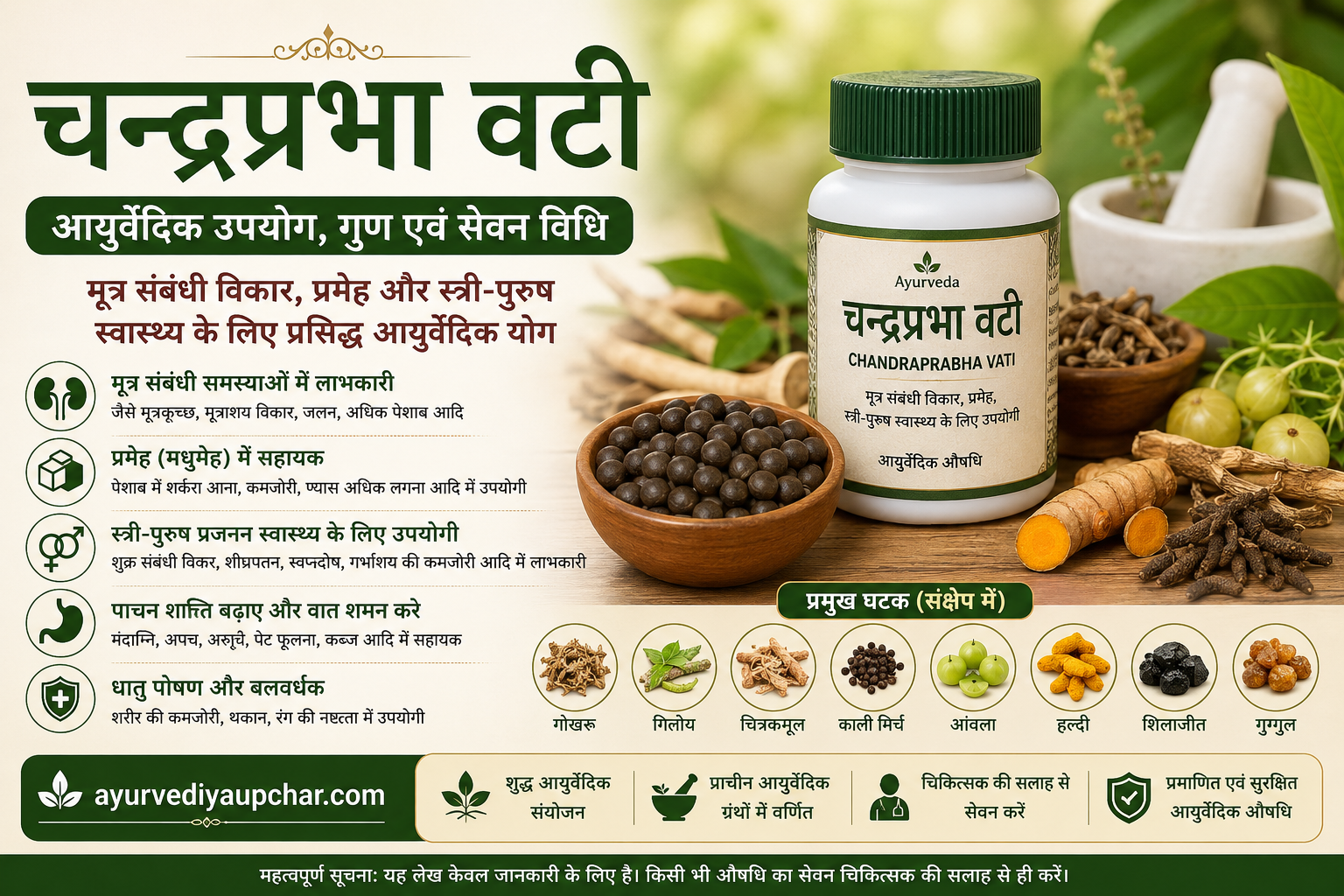
चन्द्रप्रभा वटी: आयुर्वेद में उपयोग, घटक, पारंपरिक गुण और सेवन विधि
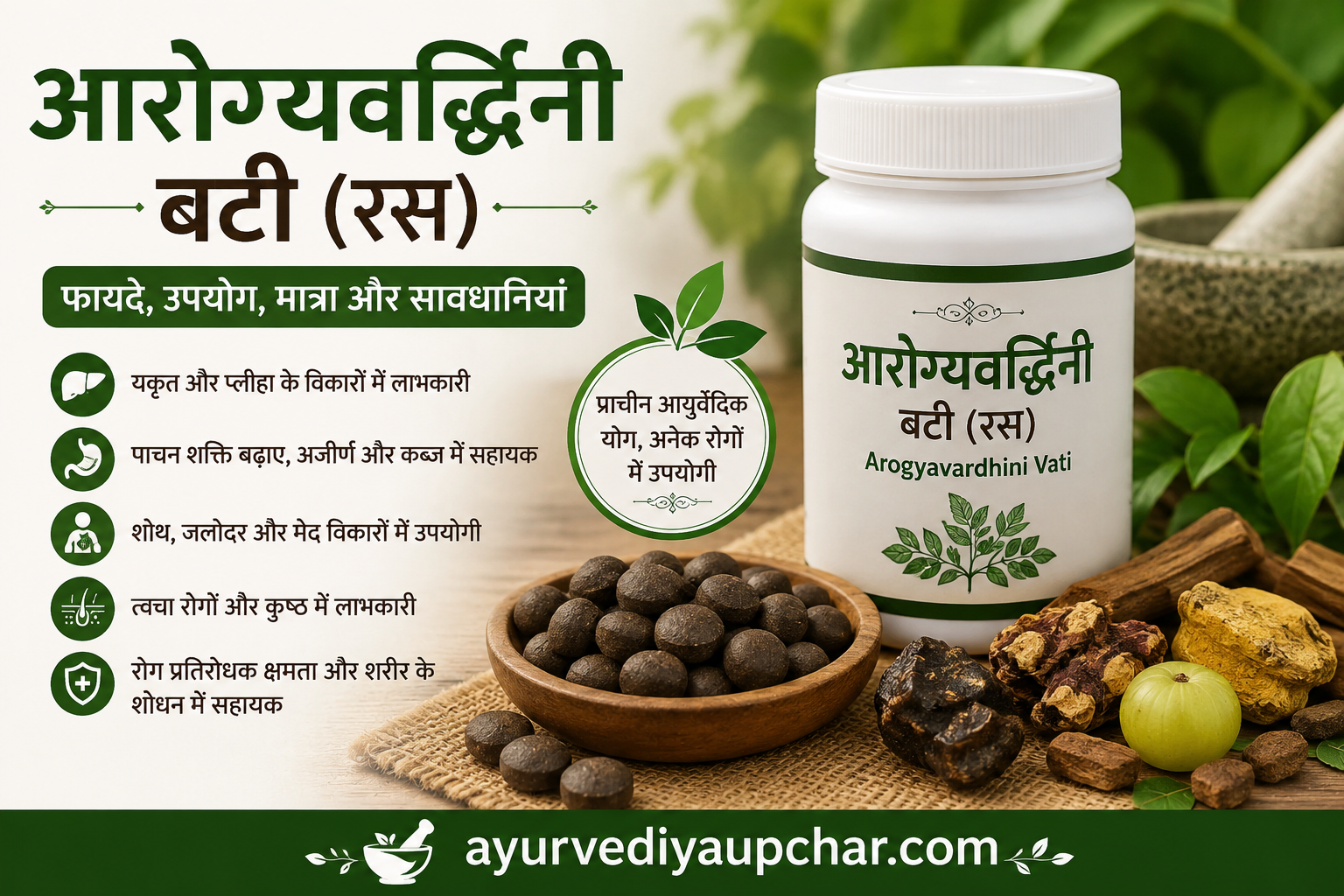
आरोग्यवर्द्धिनी बटी (रस): परिचय, घटक, निर्माण विधि, मात्रा, अनुपान और पारंपरिक उपयोग
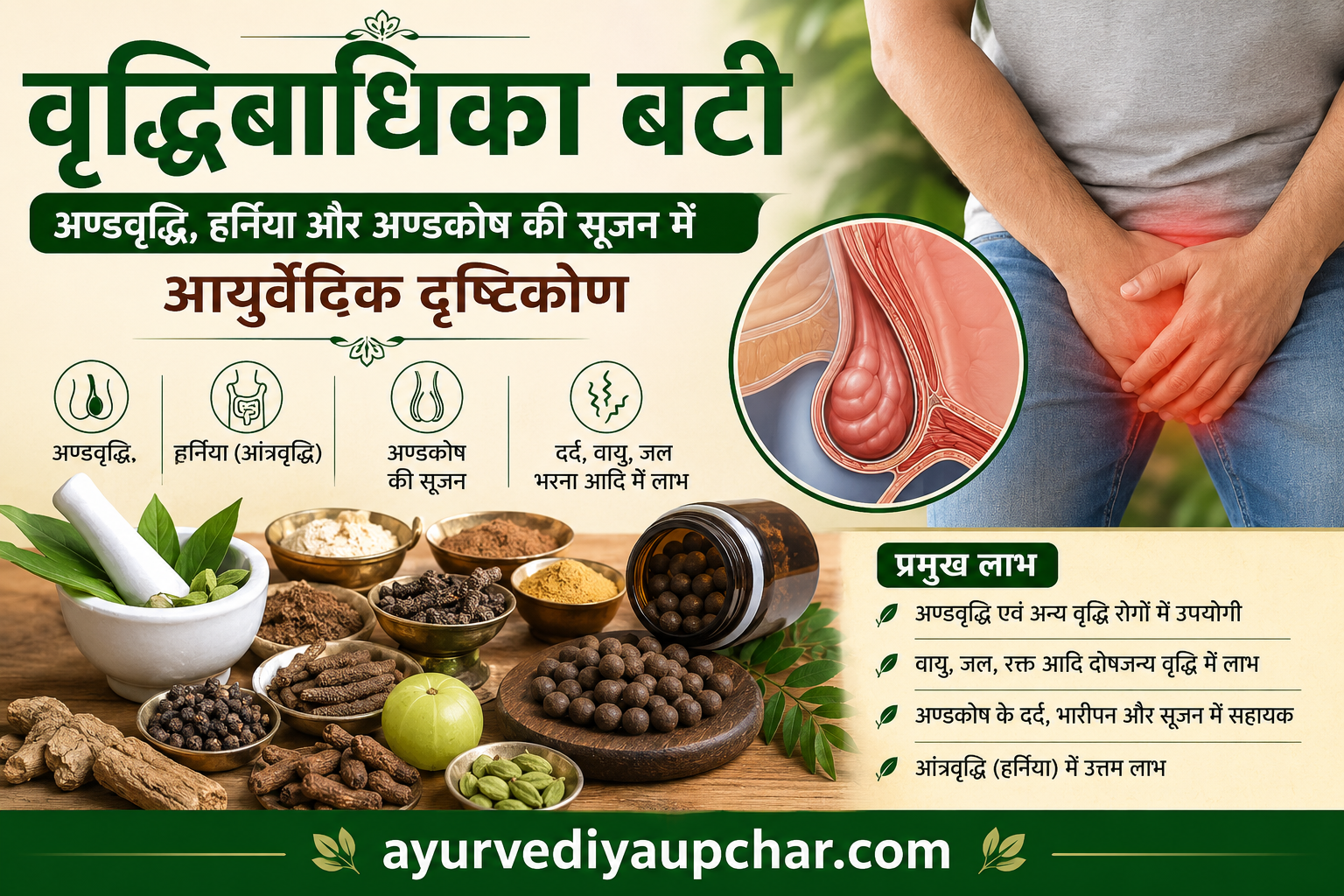
वृद्धिबाधिका बटी: अण्डवृद्धि, अण्डकोष में सूजन और हर्निया के संबंध में आयुर्वेदिक दृष्टिकोण
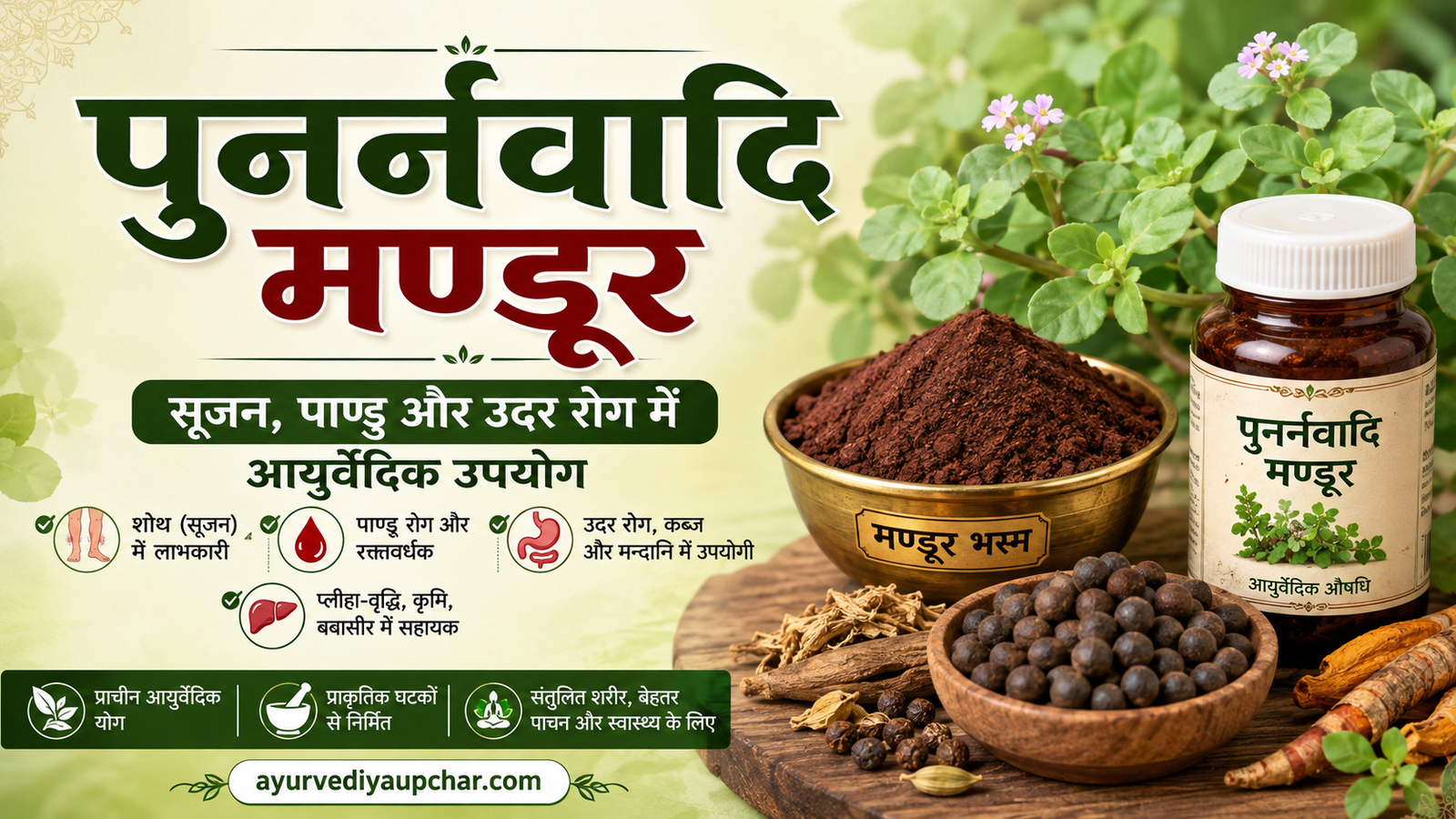
पुनर्नवादि मण्डूर: सूजन, पाण्डु और उदर विकारों में प्रसिद्ध आयुर्वेदिक योग

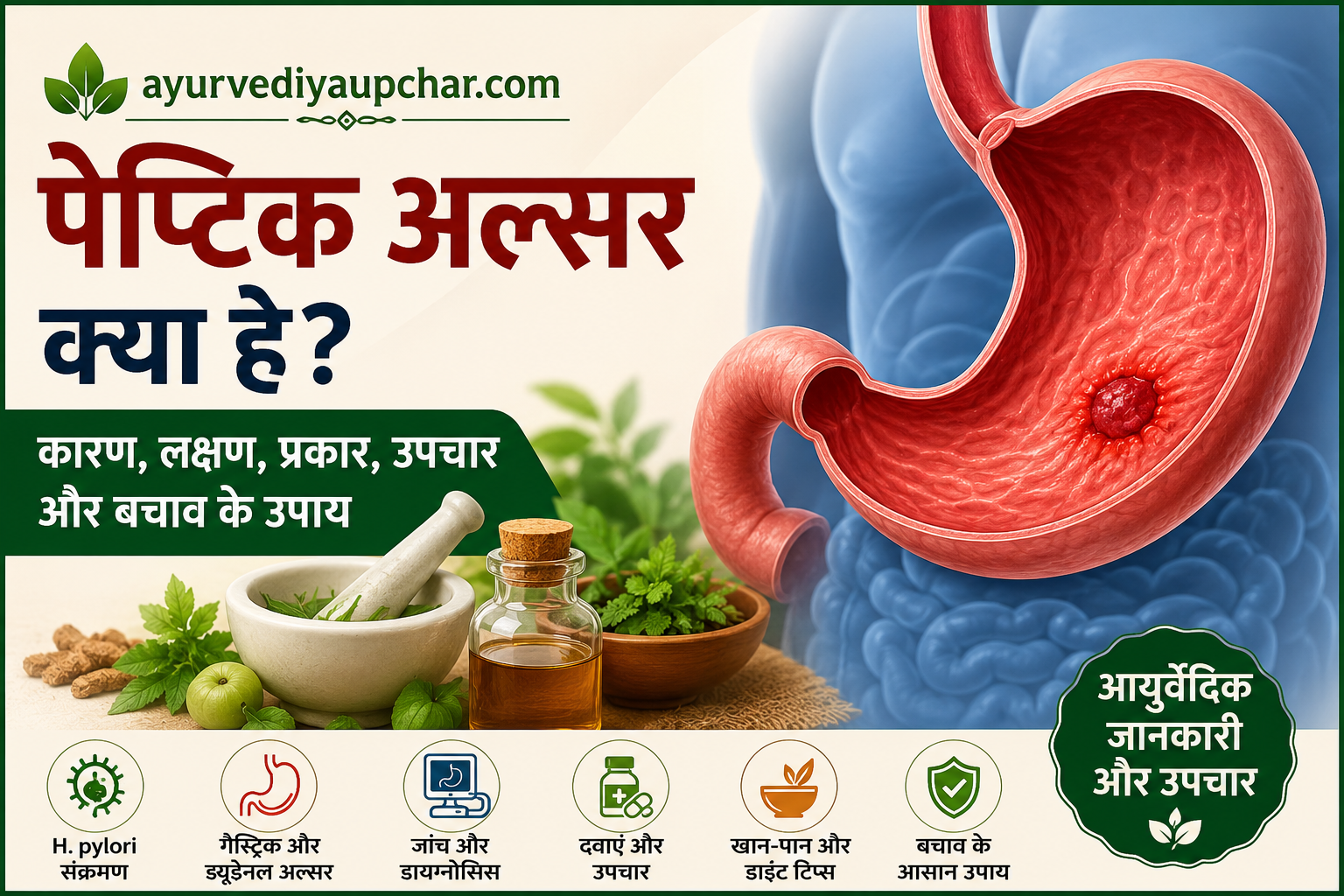
एक आम बीमारी: पेप्टिक अल्सर — कारण, लक्षण, प्रकार, पहचान और उपचार
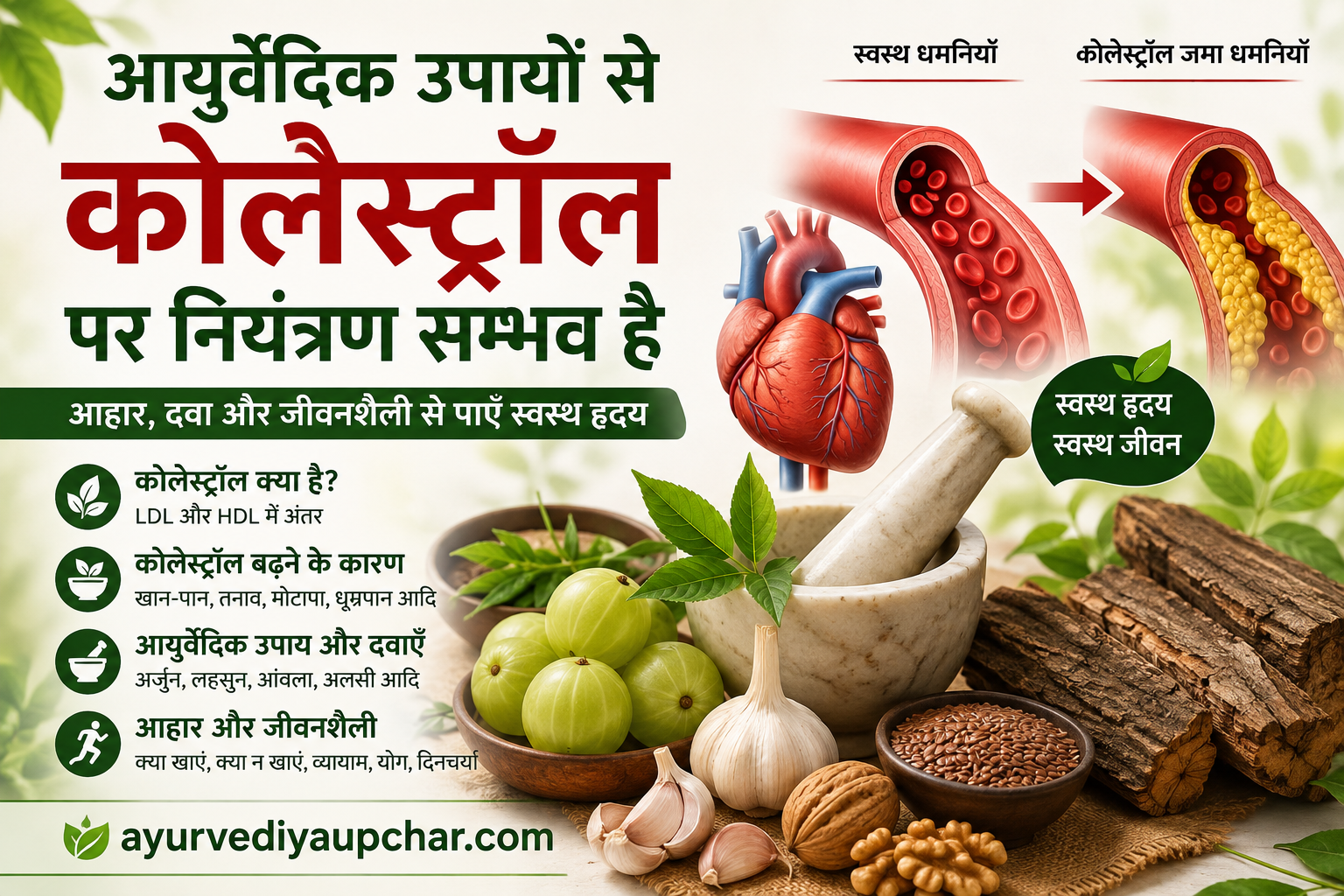
आयुर्वेदिक उपायों और संतुलित आहार द्वारा कोलेस्ट्रॉल पर नियंत्रण संभव है
AYURVEDIYAUPCHAR
At AyurvediyaUpchar, we are dedicated to bringing you the ancient wisdom of Ayurveda to support your journey toward holistic well-being. Our carefully crafted treatments, products, and resources are designed to balance mind, body, and spirit for a healthier, more harmonious life. Explore our range of services and products inspired by centuries-old traditions for natural healing and wellness.
आयुर्वेदीय उपचार में, हम आपको आयुर्वेद के प्राचीन ज्ञान को समग्र कल्याण की ओर आपकी यात्रा में सहायता करने के लिए समर्पित हैं। हमारे सावधानीपूर्वक तैयार किए गए उपचार, उत्पाद और संसाधन स्वस्थ, अधिक सामंजस्यपूर्ण जीवन के लिए मन, शरीर और आत्मा को संतुलित करने के लिए डिज़ाइन किए गए हैं। प्राकृतिक उपचार और कल्याण के लिए सदियों पुरानी परंपराओं से प्रेरित हमारी सेवाओं और उत्पादों की श्रृंखला का अन्वेषण करें।

About AyurvediyaUpchar.com
Welcome to AyurvediyaUpchar.com, your trusted online destination for authentic Ayurvedic remedies, herbal products, and wellness solutions. We are dedicated to bringing the ancient wisdom of Ayurveda into modern lifestyles through high-quality, natural, and effective products.
Our Mission
At AyurvediyaUpchar.com, we strive to promote holistic health and well-being by providing pure, traditional, and scientifically-backed Ayurvedic treatments. Our goal is to make Ayurveda accessible to everyone, helping people lead a healthier and more balanced life naturally.
What We Offer
✅ Authentic Ayurvedic Medicines – Herbal formulations for various health concerns.
✅ Herbal Supplements – Boost immunity, digestion, and overall wellness.
✅ Personal Care Products – Skincare, haircare, and natural beauty solutions.
✅ Wellness & Lifestyle – Detox, stress relief, and rejuvenation products.
✅ Expert Guidance – Informative blogs, health tips, and personalized Ayurvedic consultation.
Why Choose Us?
✔ 100% Natural & Pure Products – Sourced from the finest herbs and ingredients.
✔ Trusted by Ayurveda Experts – Backed by traditional wisdom & modern research.
✔ Secure Online Shopping – Safe payments and easy checkout.
✔ Nationwide Delivery – Get Ayurveda at your doorstep.
✔ Customer Satisfaction – Dedicated support for your health journey.
Join us in embracing Ayurveda for a healthier, happier, and more natural life!
For any queries, feel free to contact us at Info@ayurvediyaupchar.com