





Complete Ayurvedic & Modern Guide on Hernia: Causes, Symptoms, Types, Complications, Ayurvedic Treatment

Introduction
Hernia is a common medical condition in which an internal organ—usually the intestine or fatty tissue—pushes through a weak spot in the surrounding muscles or connective tissues. This creates a visible bulge, which may increase when standing or straining and reduce when lying down.
Although a hernia may begin as a mild discomfort, it can become dangerous if the protruded organ gets trapped and loses its blood supply, a condition called strangulated hernia. This is a medical emergency.
Ayurveda describes hernia as a condition caused by:
-
Air-energy imbalance (Vata disturbance)
-
Weak muscle tissues
-
Poor digestion
-
Excess abdominal pressure
-
Chronic constipation
-
Improper lifestyle
This comprehensive guide covers:
-
What a hernia is
-
Causes and risk factors
-
Types of hernia
-
Symptoms and complications
-
Complete Ayurvedic explanation
-
Ayurvedic treatment
-
Best herbs and therapies
-
Diet plan
-
Home remedies
-
Safe and unsafe yoga
-
When surgery is necessary
-
Special notes for children, women, and elders
Chapter 1: What is Hernia?
A hernia occurs when a part of the intestine or fatty tissue pushes through a weak opening in the muscle wall. This creates a swelling or bulge that is often visible externally.
Key Features of Hernia:
-
Bulge that enlarges while standing
-
Pain or discomfort, especially during movement
-
Burning or pressure sensation
-
Bloating, gas or constipation
-
Feeling of heaviness in abdomen
Hernia does not heal on its own. It often gets worse over time.
Chapter 2: Types of Hernia (Detailed Explanation)
1. Inguinal Hernia
Occurs in the groin region.
More common in men due to anatomical differences.
2. Femoral Hernia
Occurs in the upper thigh.
More common in women, especially after childbirth.
3. Umbilical Hernia
Occurs around the belly button.
Seen in infants and postpartum women.
4. Incisional Hernia
Occurs at the site of previous surgery due to weak scar tissue.
5. Hiatal Hernia
Upper part of the stomach pushes into the chest cavity through the diaphragm.
Symptoms:
-
Acid reflux
-
Heartburn
-
Difficulty swallowing
6. Epigastric Hernia
Occurs between the chest and the belly button.
7. Spigelian or Sports Hernia
Common in athletes due to muscle tear injuries.
Chapter 3: Causes of Hernia
There are several factors responsible for hernia:
1. Muscle Weakness
-
Congenital (from birth)
-
Age-related weakness
-
Lack of physical activity
2. Excess Abdominal Pressure
-
Heavy weight lifting
-
Chronic constipation
-
Chronic coughing
-
Obesity
-
Pregnancy
3. Lifestyle Causes
-
Poor diet
-
Sedentary lifestyle
-
Poor posture
-
Strain during urination
4. Post-Surgery Weakness
Incisions weaken muscles and increase the chance of hernia.
5. Digestive Problems
Gas, acidity and bloating push the abdomen outward repeatedly.
Chapter 4: Symptoms of Hernia
Common Symptoms:
-
Visible bulge in the abdomen or groin
-
Pain while standing, lifting or coughing
-
Heaviness in lower abdomen
-
Bloating and constipation
-
Burning sensation
-
Discomfort after meals
-
In hiatal hernia: heartburn, belching, acidity
Emergency Symptoms (Strangulated Hernia):
-
Severe pain
-
Hard, red or tender bulge
-
Vomiting
-
Fever
-
Inability to pass stool or gas
-
Rapid heartbeat
This needs immediate surgery.
Chapter 5: Hernia in Ayurveda — Deep Explanation
According to Ayurveda, hernia is a disorder caused by:
1. Air-energy imbalance
Leads to constant pressure on the abdominal muscles.
2. Weak muscle tissues
Poor nutrition creates weak abdominal walls.
3. Weak digestion
Low digestive power causes gas and bloating, increasing internal pressure.
4. Obstruction in abdominal channels
Tissues cannot support internal organs properly.
In Ayurveda, hernia is categorized under conditions caused by imbalance of movement energy (Vata) and weak muscle tissues (Mamsa tissue depletion).
Chapter 6: Ayurvedic Treatment for Hernia
Important:
Ayurveda does not claim to cure major hernias on its own.
Surgery is the only permanent solution for moderate and severe hernias.
However, Ayurveda is extremely helpful for:
-
Early-stage management
-
Pain relief
-
Strengthening abdominal muscles
-
Improving digestion
-
Reducing gas and pressure
-
Slowing progression
-
Pre & post-surgery recovery
1. Herbal Treatment for Digestion Support
Weak digestion is the root cause of abdominal pressure.
Useful herbs:
-
Dry ginger
-
Fennel
-
Carom seeds
-
Cumin
-
Black pepper
-
Herbal blend of three fruits (Triphala)
These reduce gas and improve digestive fire.
2. Herbs to Strengthen Abdominal Muscles
These herbs nourish muscle tissues and connective tissues:
-
Withania somnifera (Ashwagandha)
-
Asparagus racemosus (Shatavari)
-
Sida cordifolia (Bala)
-
Tribulus terrestris (Gokshura)
-
Guggulu-based formulations
-
Natural rejuvenating powders
These are taken only under expert guidance.
3. Reducing Abdominal Pressure
-
Warm cumin water
-
Ginger with lemon
-
Buttermilk with roasted cumin
-
Aloe vera juice
-
Avoid heavy meals
4. For Hiatal Hernia
To reduce acidity and chest pressure:
-
Cold milk
-
Liquorice (Yashtimadhu)
-
Shatavari powder
-
Pomegranate
-
Soft cooked food
5. Ayurvedic Oil Massage
Warm herbal oil strengthens abdominal muscles.
Best oils:
-
Mahanarayan oil
-
Narayan oil
-
Sahachar oil
Apply gently over abdomen daily.
Chapter 7: Home Remedies for Hernia
1. Warm Water Therapy
Improves digestion and reduces pressure.
2. Carom Seeds
Great for gas and bloating.
3. Light Warm Compress
Relieves muscle tension.
4. Soft Foods Only
Avoid heavy, fried, oily food.
5. Aloe Vera
Reduces acidity and supports tissue repair.
Chapter 8: Best Foods for Hernia (Complete Diet Plan)
✔ Foods to Eat:
-
Moong dal (lentils)
-
Khichdi (rice-lentil porridge)
-
Broken wheat porridge
-
Bottle gourd
-
Ridge gourd
-
Steamed vegetables
-
Coconut water
-
Yogurt (daytime only)
-
Buttermilk
-
Soft cooked rice
-
Warm fennel water
❌ Avoid:
-
Heavy lentils
-
Kidney beans, chickpeas
-
Fried food
-
Spicy and sour foods
-
Processed food
-
Alcohol
-
Cold drinks
-
Red meat
Rules:
-
Eat small meals
-
Do not lie down after eating
-
Walk 10 minutes after food
-
Drink warm water
-
Maintain healthy weight
Chapter 9: Yoga for Hernia (Safe & Unsafe Poses)
✔ Safe Yoga Poses:
-
Alternate nostril breathing
-
Bee-breath meditation
-
Thunderbolt pose (Vajrasana)
-
Mountain pose (Tadasana)
-
Corpse pose (Shavasana)
❌ Avoid:
-
Crunches
-
Planks
-
Forward bends
-
Weight lifting
-
Strenuous abdominal exercises
Chapter 10: Hernia in Men, Women & Children
Men
Highest risk due to lifting and weak inguinal canal.
Women
More common after pregnancies due to stretched abdominal walls.
Children
Umbilical hernia is common; many cases resolve naturally.
Chapter 11: When is Surgery Necessary?
Surgery becomes essential when:
-
The bulge becomes hard
-
Severe continuous pain
-
Vomiting
-
Inability to pass gas or stool
-
Fever
-
Bulge does not go back in
Types of Surgery:
-
Open hernia repair
-
Laparoscopic repair
-
Mesh repair
Ayurveda helps in preparing the body and speeding post-surgery recovery.
Conclusion
Hernia is a serious condition and should not be ignored. Ayurveda helps in:
✔ Reducing pain
✔ Improving digestion
✔ Strengthening abdominal muscles
✔ Supporting recovery
✔ Preventing worsening
But for moderate to severe hernias—surgery remains the only permanent cure.
Medical Disclaimer
All herbs, treatments, diets and yoga practices mentioned must be used ONLY under the supervision of a qualified Ayurvedic physician or medical doctor. Self-treatment in hernia can be dangerous.
Recent Posts
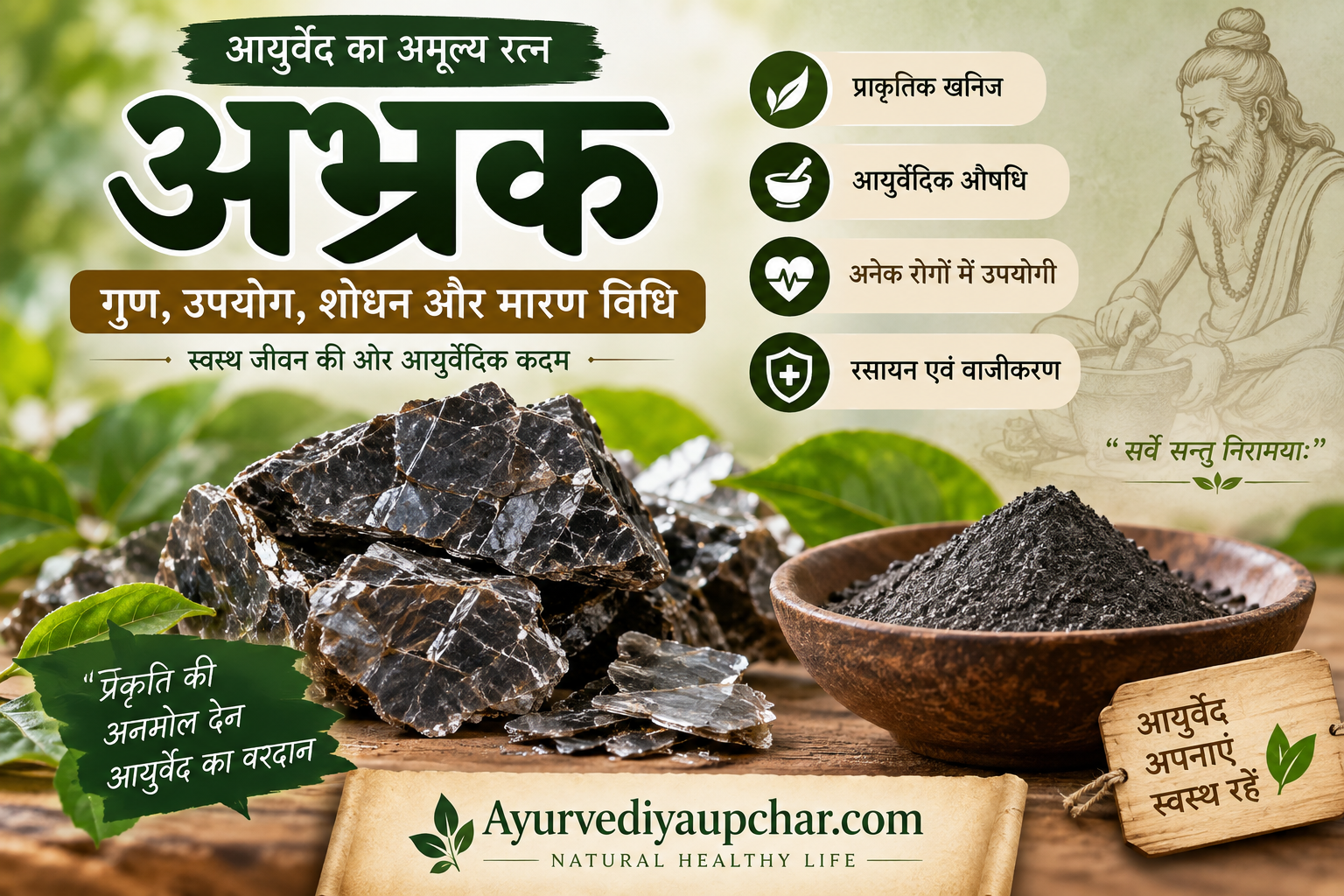
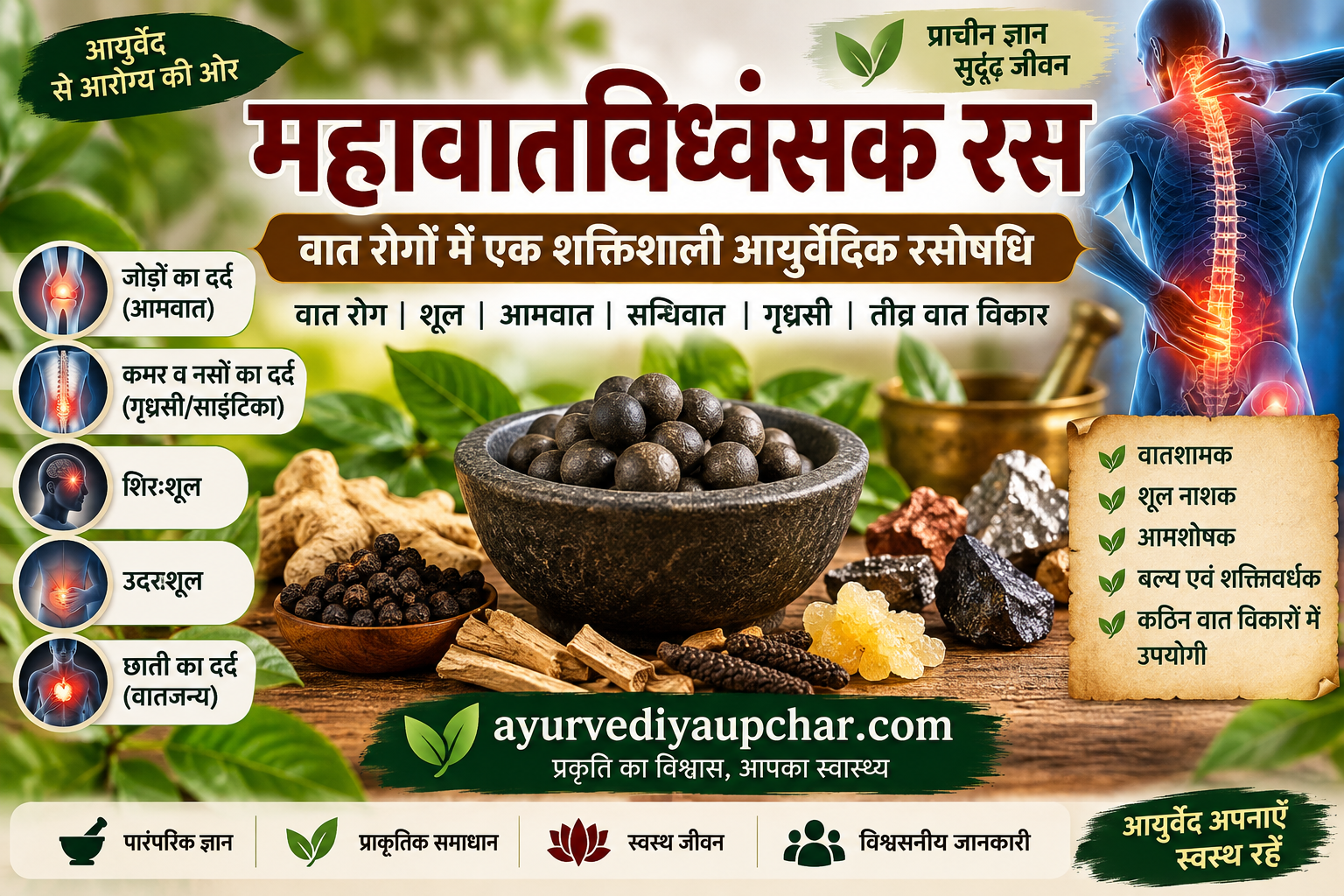
महावातविध्वंसक रस: वात विकारों और तीव्र शूल में पारंपरिक आयुर्वेदिक उपयोग
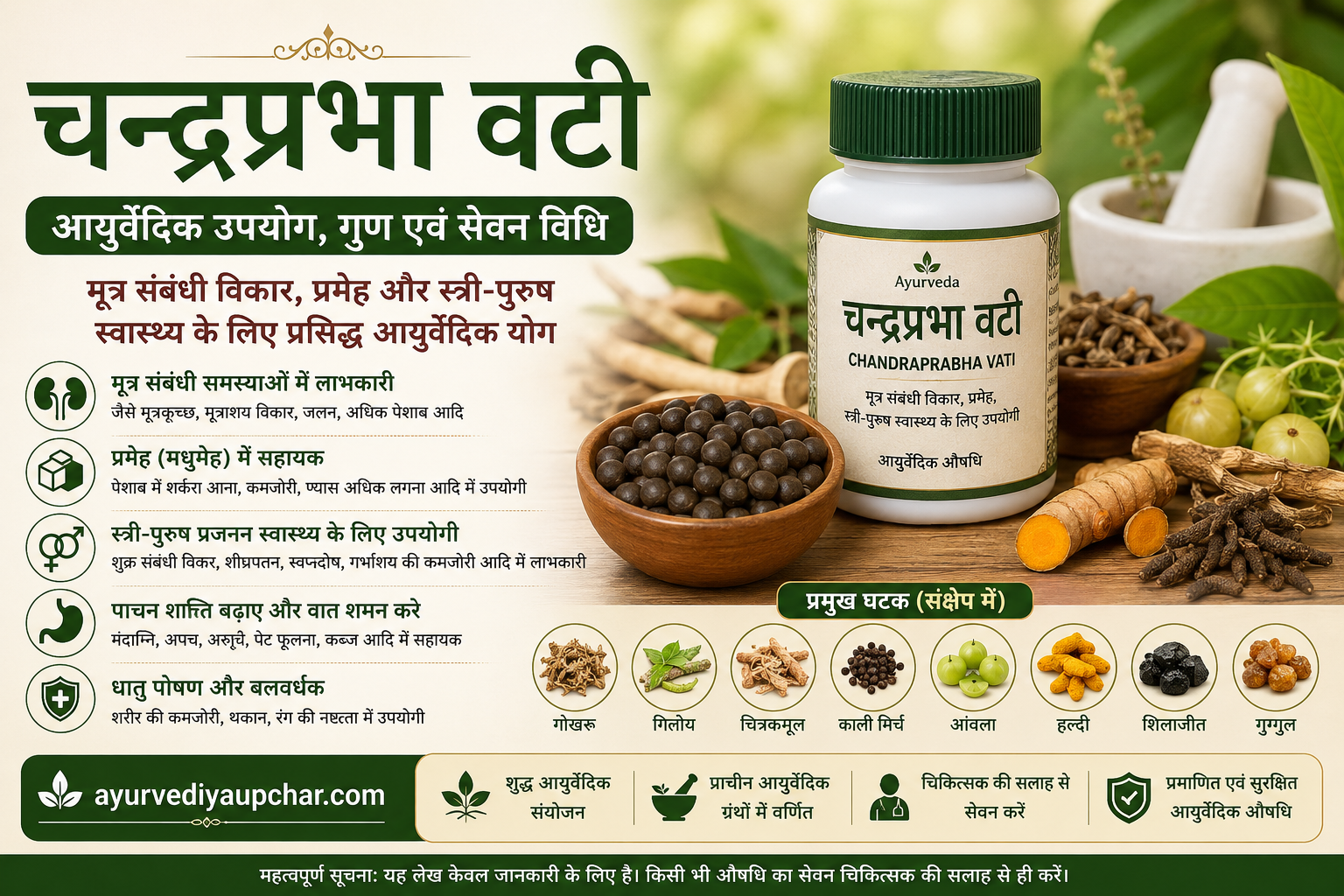
चन्द्रप्रभा वटी: आयुर्वेद में उपयोग, घटक, पारंपरिक गुण और सेवन विधि
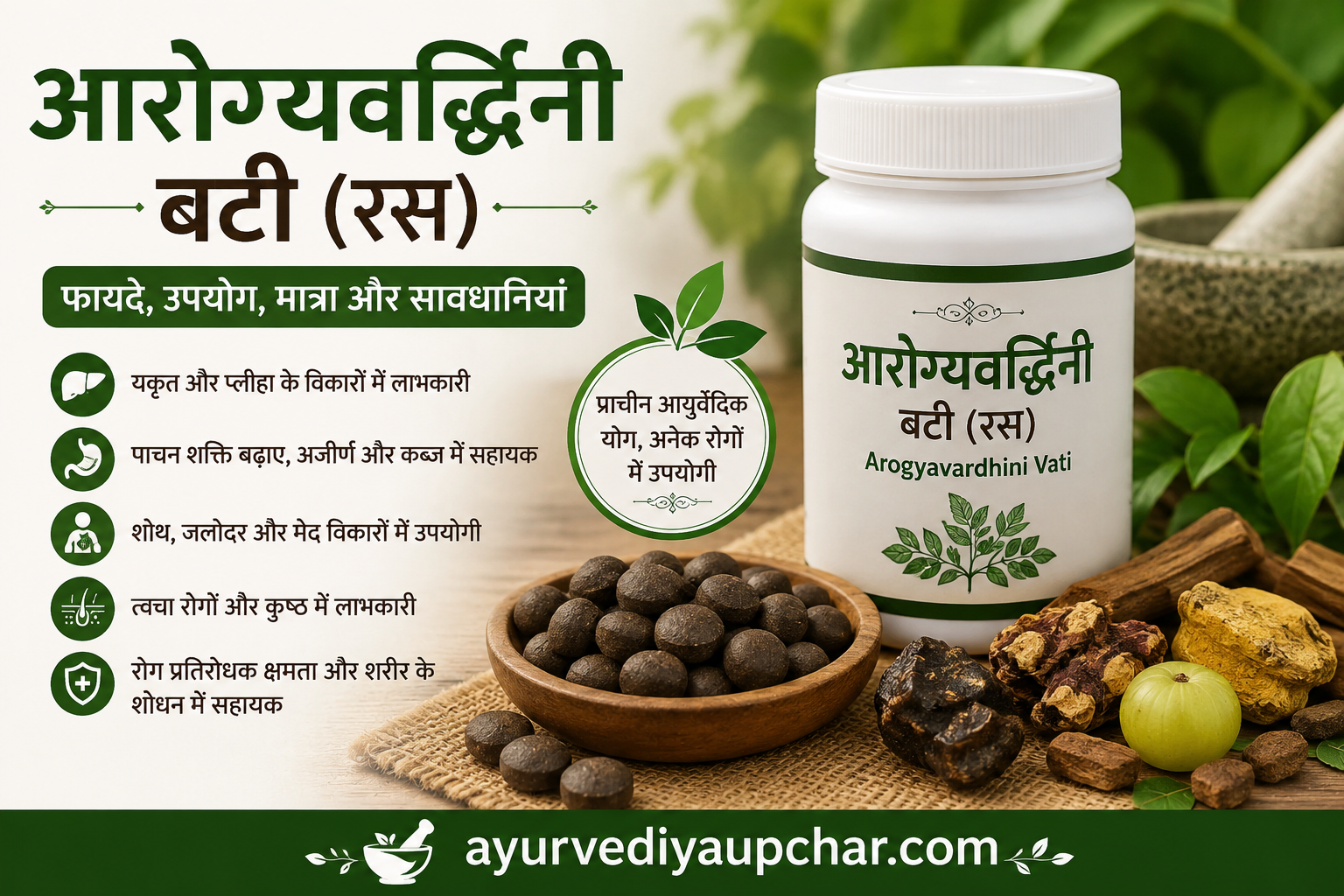
आरोग्यवर्द्धिनी बटी (रस): परिचय, घटक, निर्माण विधि, मात्रा, अनुपान और पारंपरिक उपयोग
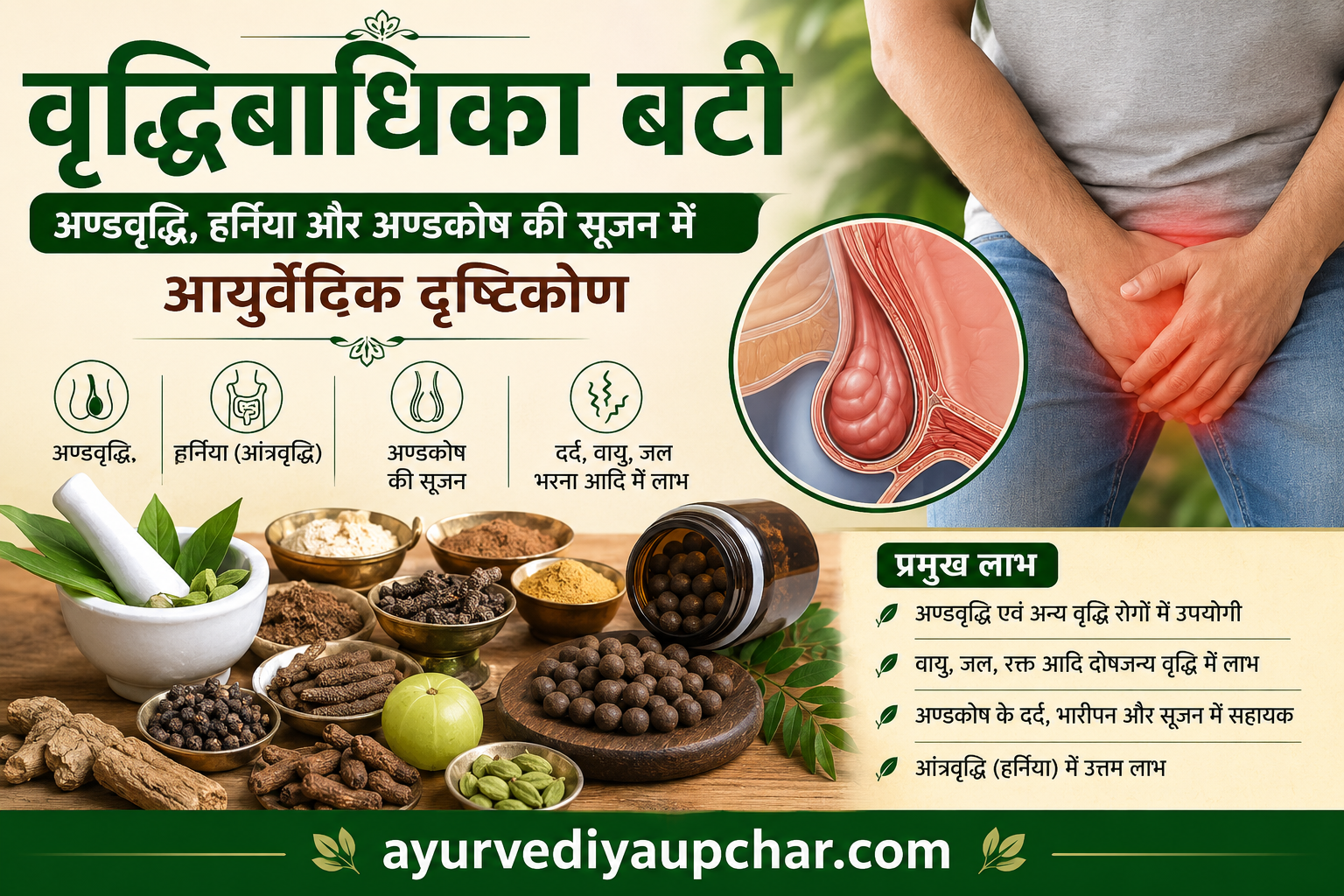
वृद्धिबाधिका बटी: अण्डवृद्धि, अण्डकोष में सूजन और हर्निया के संबंध में आयुर्वेदिक दृष्टिकोण
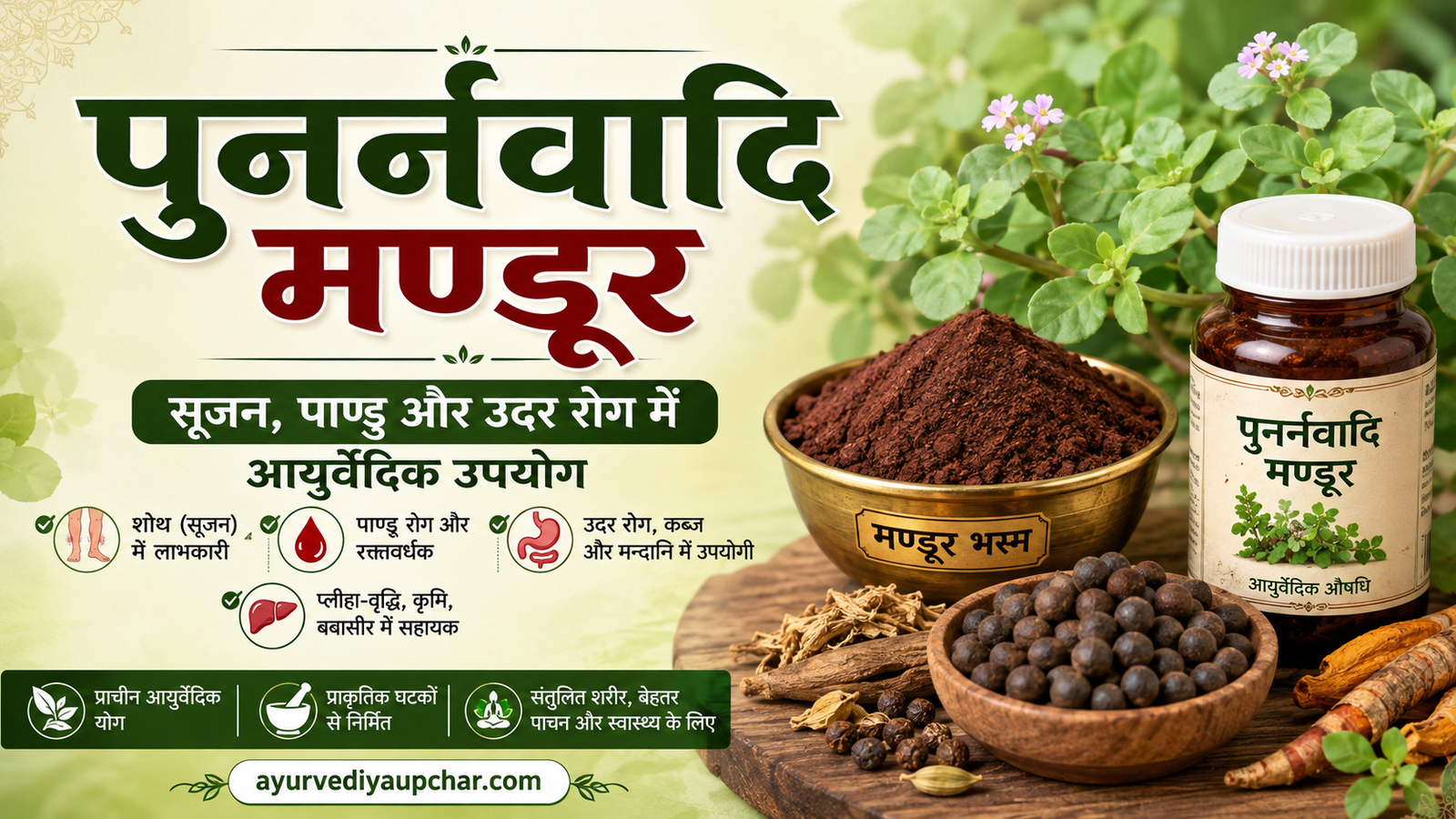
पुनर्नवादि मण्डूर: सूजन, पाण्डु और उदर विकारों में प्रसिद्ध आयुर्वेदिक योग
एक आम बीमारी: पेप्टिक अल्सर — कारण, लक्षण, प्रकार, पहचान और उपचार
आयुर्वेदिक उपायों और संतुलित आहार द्वारा कोलेस्ट्रॉल पर नियंत्रण संभव है
AYURVEDIYAUPCHAR
At AyurvediyaUpchar, we are dedicated to bringing you the ancient wisdom of Ayurveda to support your journey toward holistic well-being. Our carefully crafted treatments, products, and resources are designed to balance mind, body, and spirit for a healthier, more harmonious life. Explore our range of services and products inspired by centuries-old traditions for natural healing and wellness.
आयुर्वेदीय उपचार में, हम आपको आयुर्वेद के प्राचीन ज्ञान को समग्र कल्याण की ओर आपकी यात्रा में सहायता करने के लिए समर्पित हैं। हमारे सावधानीपूर्वक तैयार किए गए उपचार, उत्पाद और संसाधन स्वस्थ, अधिक सामंजस्यपूर्ण जीवन के लिए मन, शरीर और आत्मा को संतुलित करने के लिए डिज़ाइन किए गए हैं। प्राकृतिक उपचार और कल्याण के लिए सदियों पुरानी परंपराओं से प्रेरित हमारी सेवाओं और उत्पादों की श्रृंखला का अन्वेषण करें।

About AyurvediyaUpchar.com
Welcome to AyurvediyaUpchar.com, your trusted online destination for authentic Ayurvedic remedies, herbal products, and wellness solutions. We are dedicated to bringing the ancient wisdom of Ayurveda into modern lifestyles through high-quality, natural, and effective products.
Our Mission
At AyurvediyaUpchar.com, we strive to promote holistic health and well-being by providing pure, traditional, and scientifically-backed Ayurvedic treatments. Our goal is to make Ayurveda accessible to everyone, helping people lead a healthier and more balanced life naturally.
What We Offer
✅ Authentic Ayurvedic Medicines – Herbal formulations for various health concerns.
✅ Herbal Supplements – Boost immunity, digestion, and overall wellness.
✅ Personal Care Products – Skincare, haircare, and natural beauty solutions.
✅ Wellness & Lifestyle – Detox, stress relief, and rejuvenation products.
✅ Expert Guidance – Informative blogs, health tips, and personalized Ayurvedic consultation.
Why Choose Us?
✔ 100% Natural & Pure Products – Sourced from the finest herbs and ingredients.
✔ Trusted by Ayurveda Experts – Backed by traditional wisdom & modern research.
✔ Secure Online Shopping – Safe payments and easy checkout.
✔ Nationwide Delivery – Get Ayurveda at your doorstep.
✔ Customer Satisfaction – Dedicated support for your health journey.
Join us in embracing Ayurveda for a healthier, happier, and more natural life!
For any queries, feel free to contact us at Info@ayurvediyaupchar.com